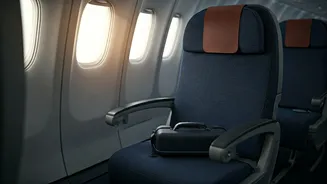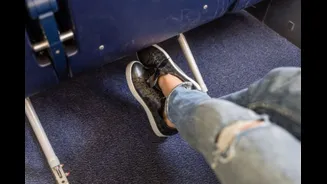







Stepping off a long-haul flight only to find that your shoes no longer fit properly is a frustrating reality for many winter travellers. That heavy, “leaden” feeling in your legs is a common side effect
of sitting in a cramped cabin for hours at a stretch.
Dr Sanjay Sharma, Podiatric Surgeon and co-founder, FootSecure, believes prolonged periods of inactivity cause blood circulation to slow down, leading to fluid buildup around the ankles and calves. Cold winter temperatures further worsen the problem by constricting blood vessels. For women, particularly those who are pregnant or navigating menopause, the risk of circulation-related swelling can be even higher.
To help your legs recover, here are four expert-recommended steps to keep them healthy from take-off to landing.
1. Start with Compression
Before boarding, wear a pair of graduated compression stockings (15–20 mmHg or higher). Widely available at pharmacies, these stockings support healthy blood circulation and help prevent fluid from pooling in the lower legs. It’s one of the simplest and most effective ways to avoid landing with swollen ankles.
2. Keep Your Legs Moving
Prolonged sitting is the main contributor to post-flight swelling, so keeping your calf muscles active is essential. Aim to stand up and walk down the aisle every hour or two. If leaving your seat isn’t possible, simple movements can still help rotate your ankles, flex your feet up and down, or perform gentle knee lifts. Avoid crossing your legs for extended periods, as this can further restrict blood flow.
3. Watch Your Salt and Caffeine Intake
What you consume at 30,000 feet has a direct impact on how you feel after landing. Staying well-hydrated is key, so drink plenty of water throughout the flight. Limit coffee, tea, and alcohol, as these beverages can contribute to dehydration. It’s also best to skip salty snacks, as excess sodium causes the body to retain water, which often collects in the lower legs.
4. Elevate Your Legs After Landing
Once you reach your destination, give your legs time to reset. Lie down and elevate your feet for 15–30 minutes, ideally keeping them above heart level. This position allows gravity to help drain the fluid that accumulated during the flight.
While mild swelling usually resolves with movement and rest, Dr Sharma advises paying attention to warning signs. Swelling in only one leg, accompanied by redness, warmth, or sharp pain, should not be ignored. These symptoms may indicate Deep Vein Thrombosis (DVT), a serious blood clot that requires immediate medical attention.