







The Iran war is now beginning to affect something far beyond oil markets and geopolitical calculations: everyday consumer products and global supply chains.
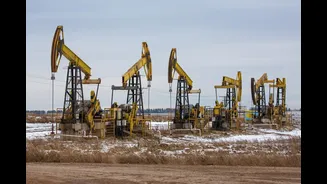
What initially started as fears over crude prices
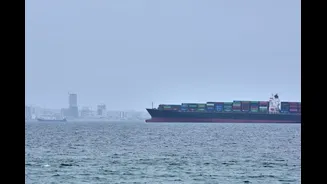
after Iran blocked the Strait of Hormuz has steadily evolved into a wider industrial and consumer crisis. Companies across sectors — from airlines and automakers to snack manufacturers and fast-food chains — are warning about rising costs, shortages of critical raw materials and disruptions to production.
According to a Reuters analysis, the conflict has already cost global companies at least $25 billion, with at least 279 firms across the United States, Europe and Asia flagging financial damage linked to the war. Businesses have reported production cuts, fuel surcharges, price increases, delayed shipments and supply shortages as the conflict nears its fourth month.
Shortages Triggered By The Iran War So Far
- Naphtha: Calbee, Japan’s biggest snack maker, announced on May 12 that it would temporarily switch several of its iconic potato chip packets to monochrome packaging because of a shortage of naphtha-derived ink ingredients. Naphtha is a highly flammable liquid mixture derived mainly from crude oil. It is used to manufacture a vast range of everyday products including plastics, insulation foam, synthetic rubber, adhesives, detergents, printing ink solvents and packaging materials. It is also used in medical products such as syringes and rubber gloves. Japan imports roughly 40 per cent of its naphtha consumption from the Middle East, much of it through Hormuz.
- Potato Chips: Another Japanese snack company, Yamayoshi Seika, was reportedly forced to halt production of its Wasabeef potato chips because heavy oil used for factory machinery became difficult to secure following the Hormuz disruption.
- Synthetic Motor Oil: According to Axios, refinery outages and shipping disruptions linked to Hormuz crisis have disrupted supplies of a key ingredient used in high-performance engine oils, especially those commonly used in newer vehicles. “Actual shortages are starting to appear” for some synthetic oil products, Amanda Hay, global lead for base oils at ICIS, told Axios, adding that “security of supply is the chief concern for industry players.” Hay also said prices have climbed to “more than $10/gallon”, while supply conditions could “deteriorate rapidly through 2026”.
- Diet Coke: Aluminium shortages linked to the conflict have affected can manufacturing in India, leading to scarcity of Diet Cokein some areas. The shortages reportedly became severe enough to trigger “Diet Coke parties”, where the drink was treated as a limited-availability product and sold at steep markups.
- Cooking Gas: Some restaurants in India have warned they may be forced to shut operations because of shortages in cooking gassupplies caused by the wider energy disruption.
- Helium: Qatar, which accounts for roughly one-third of the world’s helium supply, halted production in March after Iranian strikes hit two LNG facilities. The shortage threatens industries far beyond consumer goods. Helium is critical for MRI machines, semiconductor manufacturing, artificial intelligence chips, smartphones and electric vehicles.
- Fertilisers: Forbes reported that roughly one-third of global shipments of nitrogen and phosphate — key ingredients used in fertilisers — have been affected by Hormuz blockade. The issue is significant for India, which imports 20–30 per cent of its urea needs and around 30 per cent of its DAP requirements, much of it from Gulf countries.
- Sulphur: Global sulphur supplies are also under pressure because much of the material comes from Persian Gulf oil refineries. Sulphur is used across industries including agriculture, water treatment, toothpaste manufacturing and food processing.
- Jet Fuel: The Iran war has tightened global jet fuel supplies, pushing up aviation fuel prices and increasing pressure on airlines worldwide. Several airlines have begun cancelling flights and raising ticket prices. Reuters reported that airlines account for nearly $15 billion of quantified war-related corporate losses so far, with fuel prices nearly doubling in some markets.
- Tungsten: Tungsten is a metal known for extreme heat resistance and electrical conductivity. It is critical not only for armour-piercing munitions being heavily used in the war, but also for semiconductor and AI chip manufacturing.
What Happens Next?
Even as the shortages continue to spread across industries, diplomatic efforts to prevent a wider economic and regional crisis are intensifying behind the scenes. CNN-News18 has learnt from multiple diplomatic and security sources that discussions are underway involving the US, Iran and key regional powers over a possible framework to de-escalate tensions and eventually restore normal shipping through the Strait of Hormuz.
Gulf countries including Saudi Arabia and Qatar, along with Turkey and Egypt, are understood to be quietly backing the effort, while Pakistan has emerged as an important intermediary between Tehran and Washington. Sources indicated that one of the first major signs of progress could be the reopening and normalisation of maritime traffic through the waterway — a move that could ease pressure on global energy markets and several of the shortages now disrupting supply chains worldwide.