









Telegram, the messaging platform that was banned by the Centre in view of the National Eligibility-cum-Entrance Test (NEET)-UG 2026 retest dated June 21, appears inaccessible to several users even after
the June 22 expiry date for the restrictions.
In an interim order issued on June 16 under Section 69A of the Information Technology Act, 2000, the Centre had directed thatTelegram and its associated URLs be blocked across India till June 22.
Section 69A allows the Central Government to block access to “information” where it is “necessary or expedient” on grounds linked to public order.
The platform was also directed to disable its message-editing feature till June 30.
The order came days before a retest for NEET-UG was scheduled on June 21, after the original May 3 exam was cancelled due to irregularities and allegations of paper leaks.
The nationwide block of Telegram was aimed at preventing any possible irregularities or attempt to disrupt the exam ahead of the NEET-UG retest.
Telegram Still Blocked?
While some users reported they were able to access Telegram on Tuesday, some said the app remained blocked for them as they experienced curbs in sending or receiving messages.
An IT official told the Hindustan Times that there were no plans to further extend the ban, adding the restoration of services were likely getting processed in a phased manner.
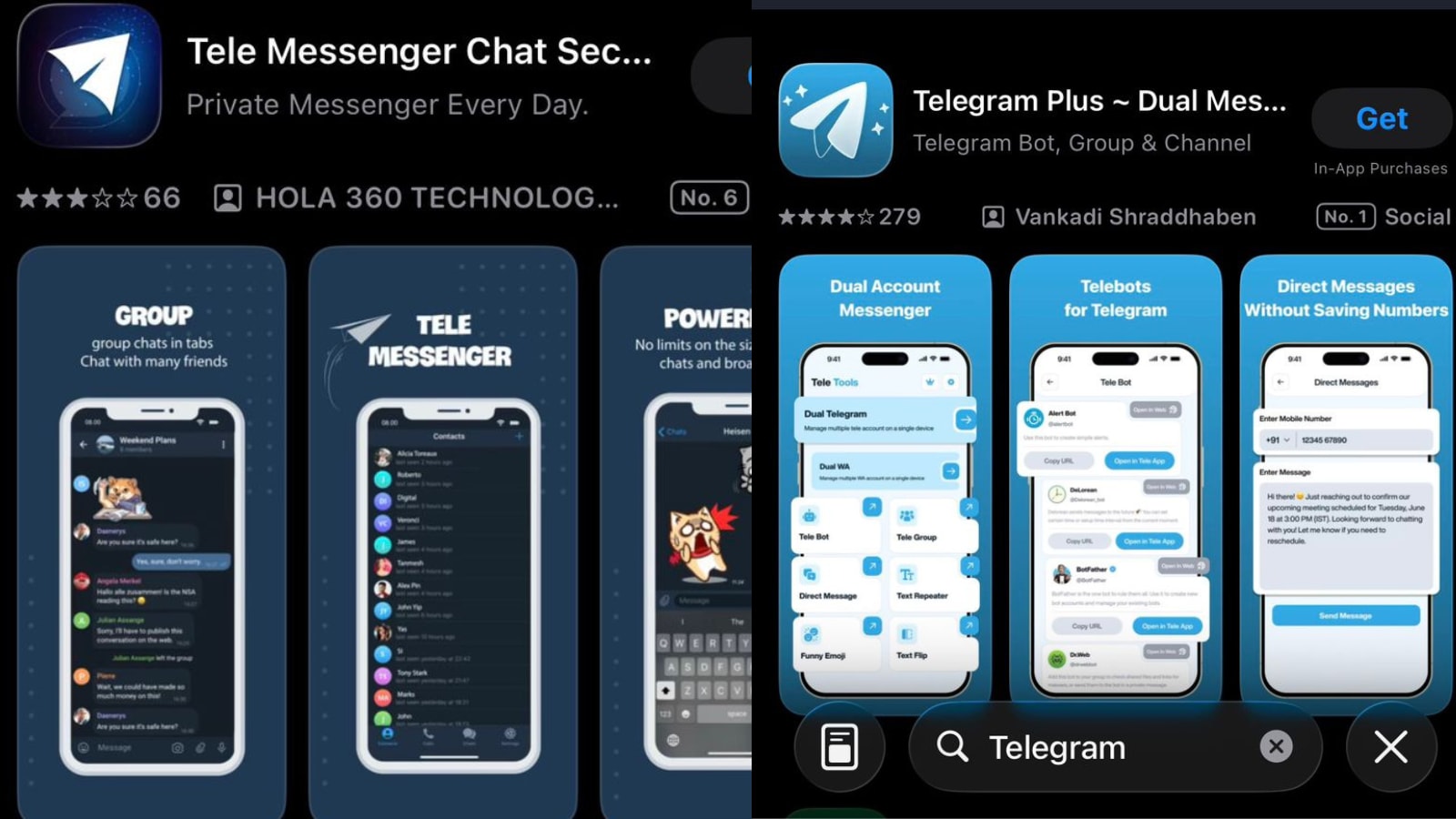
Several iPhone users reported that the Telegram app wasn’t accessible on App Store. While the page displayed results for Telegram Plus and Tele Messenger, it lacked information on the original Telegram app.
Telegram-Ban Reached High Court
The matter linked to the ban on Telegram, imposed by the government, reached Delhi High Court on June 19. Upholding the curbs, the Delhi HC remarked that there were sufficient reasons to arrive at the decision to protect the interests of millions of students appearing for the exam.
Telegram is a popular messaging platform used by millions of students to share study materials.
Officials highlighted in the court in previous hearings that some Telegram channels sold fake question papers to students in exchange for up to Rs 10 lakh, and administrators exploited the editing feature to eradicate the “proof” of leaks.