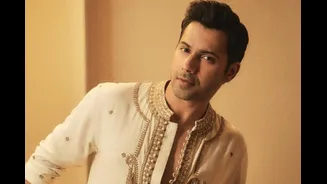





When actor Varun Dhawan recently approached the Delhi High Court seeking protection of his personality rights, he became the latest Bollywood star to enter a growing legal battle that is rapidly reshaping
the entertainment industry. At first glance, the case may appear to concern only celebrities. But behind it lies a much larger question that has become increasingly relevant in the age of artificial intelligence, deepfakes and viral social media content: Can someone legally use a celebrity’s face, voice, name or likeness without permission?
The answer, according to Indian courts, is becoming increasingly clear. In most commercial and misleading contexts, the unauthorised use of a celebrity’s identity can invite legal action. Yet the issue is far more nuanced than a simple yes or no.
Why Varun Dhawan Has Approached The Court
Varun Dhawan’s petition before the Delhi High Court seeks protection against the alleged unauthorised use of his name, image, likeness, voice and other personality attributes across digital platforms. Reports suggest that the actor has sought relief not only against identified entities but also against unknown individuals or organisations that may be exploiting his identity online.
Also Read: Varun Dhawan Seeks Legal Protection Against Unauthorised Use Of His Name, Image And Voice
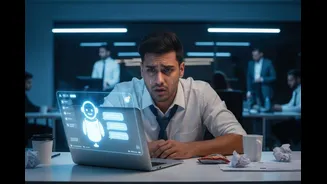
The timing of the move is significant. The entertainment industry is facing an explosion of AI-generated content capable of recreating a celebrity’s appearance, speech patterns and even voice with startling accuracy. From fake advertisements and manipulated videos to fabricated endorsements, public figures are finding it increasingly difficult to control how their identities are being used online.
The Delhi High Court’s indication that it is inclined to grant interim protection reflects how seriously Indian courts are beginning to view such concerns.
What Exactly Are Personality Rights?
Although “personality rights” is now a commonly used term, there is no single statute in India that specifically defines or governs these rights. Instead, they have evolved through judicial decisions over the years.
Broadly speaking, personality rights refer to an individual’s right to control the commercial use of their identity. This includes their name, face, photograph, voice, signature, image, likeness and other distinctive characteristics associated with them.
For celebrities, these attributes often carry enormous commercial value. A famous actor’s face can sell products. A distinctive voice can attract consumers. A well-known name can drive public attention. Courts have increasingly recognised that these attributes are not merely personal identifiers but valuable intellectual and commercial assets.
In simple terms, personality rights prevent others from profiting from a celebrity’s identity without permission.
The Bollywood Stars Who Have Already Fought This Battle
Varun is far from the first actor to seek such protection.
One of the most significant cases involved Amitabh Bachchan, who secured a broad protective order from the Delhi High Court against the unauthorised use of his name, image, voice and personality traits. The court acknowledged that his identity had acquired immense goodwill and commercial value over decades.
Soon after, Anil Kapoor obtained legal protection against the misuse of his image, voice and even iconic expressions associated with him. The court recognised that certain characteristics had become inseparable from his public persona.
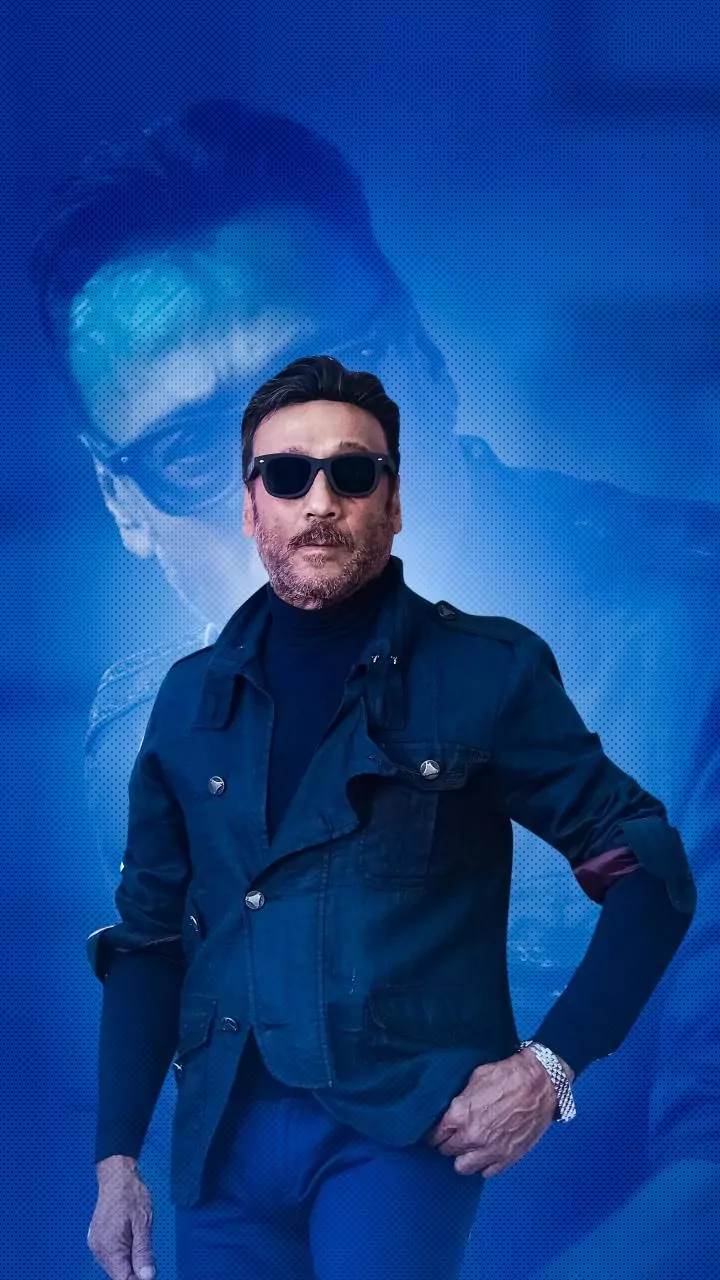
Actor Jackie Shroff also approached the courts after discovering widespread unauthorised commercial use of his name, image and catchphrases. The court granted protection against several forms of misuse.
Other celebrities who have sought similar relief include Salman Khan, Kajol, Abhishek Bachchan, Vivek Oberoi and Allu Arjun.
Together, these cases reveal a growing judicial trend: Indian courts are increasingly willing to recognise and protect celebrity identities from unauthorised exploitation.
So Can Someone Use A Celebrity’s Photo Or Voice?
The answer depends heavily on context.
Using a celebrity’s image or voice for commercial gain without permission is generally where legal problems begin. If a company uses a celebrity’s photograph to advertise a product without obtaining consent, courts are likely to view it as a violation of personality rights.
Similarly, AI-generated advertisements that make it appear as though a celebrity is endorsing a product they have never supported could potentially attract legal consequences.
Voice cloning presents another challenge. If technology is used to recreate a celebrity’s voice for promotional content, advertisements or commercial campaigns without consent, it may amount to unauthorised exploitation of their personality.
However, not every use is automatically illegal.
News reporting, commentary, criticism, satire, parody and certain forms of artistic expression often receive greater legal protection. Courts generally attempt to balance personality rights with freedom of speech and freedom of expression.
This is why a newspaper publishing a celebrity’s photograph while reporting news is very different from a company using the same image to sell a product.
Where AI And Deepfakes Have Changed The Conversation
The rapid rise of artificial intelligence has dramatically complicated the issue.
Previously, creating convincing fake content required substantial technical expertise. Today, readily available AI tools can generate realistic celebrity videos, clone voices and produce fabricated endorsements within minutes.
The concern is no longer hypothetical.
Several celebrities around the world have found themselves appearing in fake investment advertisements, cryptocurrency promotions, health product campaigns and political content they never authorised.
The danger extends beyond financial loss. Deepfakes can damage reputations, spread misinformation and mislead millions of people.
This is one reason why courts are increasingly treating personality rights as a pressing issue rather than a niche concern affecting only entertainers.
What Does Indian Law Actually Say?
India does not currently have a standalone personality rights law similar to those found in some foreign jurisdictions. Instead, courts derive protection from a combination of constitutional rights, privacy principles, intellectual property concepts and common law doctrines.
Article 21 of the Constitution, which protects the right to life and personal liberty, has been interpreted broadly to include aspects of privacy and individual autonomy. Courts have used these principles while addressing personality rights disputes.
In many cases, celebrities also rely on trademark law, passing off principles and unfair commercial exploitation arguments. The legal foundation may differ from case to case, but the objective remains largely the same: preventing unauthorised use of an individual’s identity for commercial benefit.
Because there is no dedicated legislation, courts have played the central role in shaping this area of law.
Do These Rights Belong Only To Celebrities?
Not entirely.
Every individual possesses certain privacy and identity-related rights. However, personality rights cases typically involve celebrities because their identities carry significant commercial value.
The legal rationale is that public figures spend years building goodwill, recognition and market value. When another person exploits that recognition without permission, they may be unfairly benefiting from someone else’s reputation.
That said, ordinary individuals can also seek legal remedies if their image, likeness or identity is misused in ways that violate privacy rights or cause harm.
The Road Ahead
As artificial intelligence becomes more sophisticated, the legal battle over identity is likely to intensify. What began as a concern about unauthorised photographs has now expanded into a debate involving voice cloning, digital replicas, synthetic media and AI-generated endorsements.
Varun Dhawan’s case is therefore not just another celebrity lawsuit. It represents a larger shift in how courts, lawmakers and society are beginning to think about ownership of identity in the digital age.
For celebrities, their face, voice and name have become valuable assets that require protection. For the legal system, the challenge lies in balancing those rights with free expression and technological innovation. And for the public, the growing prevalence of deepfakes serves as a reminder that seeing or hearing a celebrity online no longer guarantees that the content is real.