








In the weeks leading up to a wedding, beauty routines tend to escalate gradually but as per routine. Skin treatments are booked months in advance, dental appointments are slotted between fittings, hair
colour is timed to the day but another decision is joining that checklist, one that does not show up in makeup trials or mood boards, yet reshapes how brides see themselves, quite literally.
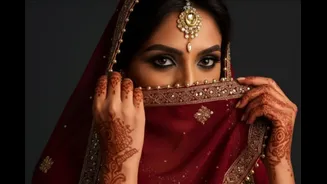
Across urban India, a growing number of brides are choosing laser vision correction ahead of their wedding day. Not as a last-minute fix, but as a considered upgrade, folded into the larger project of looking and feeling at ease under relentless scrutiny, bright lights and long ceremonial hours. It is a shift that signals how bridal beauty is evolving, from cosmetic camouflage to functional confidence.
“I realised I was planning my makeup trials and outfit fittings around my lenses. What I really wanted was to stop thinking about handling and finding my specs altogether,” says Aisha Mehra, a 26-year-old digital content manager with a media house in Delhi. The decision to get a laser vision correction procedure came not from vanity but from fatigue. She had worn spectacles for nearly a decade, juggling long screen hours, late-night edits and early meetings. Wedding prep simply magnified what she had been tolerating for years.
Has the Idea of ‘Bridal Glow’ Moved Beyond Skin and Makeup?
The concept of weddings and brides has always centred on glow, a word that suggests something internal as much as external. Yet, the focus has traditionally stayed on skin, hair and weight. Eye health rarely enters the conversation, despite the fact that tired, irritated eyes are among the hardest things to disguise.
“Bridal glow goes beyond skincare and makeup. It’s also about how rested, comfortable and confident you feel,” says Dr Advaith Sai Alampur, MBBS, MS (Oph), FMRF, cornea and refractive surgeon, and founder and managing director of a speciality eye centre in India. “Clear, strain-free eyes naturally look brighter and more relaxed.”
Laser vision correction, he explains, can reduce the dryness and irritation often caused by prolonged contact lens use, particularly during long days of fittings, ceremonies and travel. For Aisha, the difference was subtle but unmistakable. Within weeks of the procedure, she noticed her eyes looked and felt calmer, without the constant puffiness she had come to accept as normal.
Why Are Brides Looking Beyond Temporary Fixes for Their Wedding Look?
According to global health data from 2025, elective medical procedures among women aged 25 to 35 have continued to rise, driven less by dramatic transformations and more by lifestyle optimisation. In India, ophthalmology clinics report a steady increase in young adults seeking LASIK and SMILE procedures, with weddings emerging as a common planning milestone.
The wedding, in this context, becomes a deadline that encourages long-term decisions. Unlike makeup or hair, vision correction is not about a single day. It is about removing a daily inconvenience at a moment when many people are already reassessing their routines, health and priorities.
Without glasses or lenses, a bride avoids mid-ceremony adjustments, worries about lenses drying out under stage lights, or the subtle self-consciousness that creeps in during close-up photography. “Without the need for glasses, a bride can enjoy unobstructed expression, smoother makeup application, and greater comfort during long ceremonies and travel,” Dr Alampur says.
By the time Aisha’s pre-wedding shoots began, her vision had stabilised. “It wasn’t about looking different,” she says. “It was about not interrupting moments because I had to take off my glasses.”
Is the ‘No-Lens Look’ About Aesthetics or Something Deeper?
It would be easy to dismiss this trend as vanity dressed up in medical language. But that framing misses the nuance. Brides are not seeking sharper jawlines or altered features through eye surgery, they are seeking freedom from friction.
“The growing interest in procedures like LASIK and SMILE among young adults, including brides-to-be, reflects a blend of lifestyle convenience and long-term visual clarity,” says Dr Alampur. “Many simply want to move through their celebrations without the hassle of lenses or glasses, while others see it as part of broader personal wellbeing goals.”
What stands out is how openly functional the motivation is. Clear vision during rituals, the ability to read cues without squinting, comfort during late nights and early mornings, these are practical concerns. The aesthetic benefit follows quietly, almost incidentally.
For Aisha, the shift was psychological as much as physical. “There’s a kind of confidence that comes from not worrying whether a set of lenses will survive a 12-hour wedding day or should I wear specs while on stage for the wedding festivities,” she says.
Where Does Medical Need End and Lifestyle Choice Begin?
This is where ophthalmologists draw a firm line. Laser vision correction is not a cosmetic procedure in the traditional sense. Medical suitability determines everything.
“The foundation is always medical evaluation,” Dr Alampur says. “A comprehensive assessment ensures the decision is guided by eye health first, with aesthetic or lifestyle benefits coming as a secondary outcome.”
In other words, the trend is not about bending medical standards to fit wedding timelines. It is about brides who are already eligible for correction choosing to align that decision with a moment of heightened visibility and emotional significance.
Aisha underwent multiple screenings before being cleared. “That process actually reassured me,” she says. “It felt clinical, not cosmetic.”
When Should Brides Schedule Laser Vision Correction Before the Wedding?
Aisha scheduled her procedure six months before her wedding. By the time festivities began, eye care had faded into the background. “It was one less thing to manage,” she says. “And during a wedding, that matters more than people realise.”
Timing, doctors insist, is non-negotiable. “Ideally, laser vision correction should be planned three to six months before the wedding,” Dr Alampur advises. “This allows for complete healing, visual stabilisation and a smooth return to daily routines.”
The early weeks after surgery come with restrictions. Eye makeup must be avoided, contact lenses are off-limits, dusty environments and excessive moisture need to be managed carefully, prescribed lubricating drops and follow-up appointments are essential.
“Makeup can be gradually reintroduced using gentle, hypoallergenic products once healing is confirmed,” he adds. Proper rest, hydration and sun protection play a role too, details that mirror the advice brides already follow for skin and hair.