








Kanwar Yatra is one of the largest annual religious pilgrimages in India, where millions of Lord Shiva devotees, known as Kanwariyas, undertake a sacred journey during the Hindu month of Shravan (Sawan).
Devotees collect holy water from the Ganga River and carry it back to offer at Shiva temples as part of the Jalabhishek ritual.
In 2026, the Kanwar Yatra will begin on July 30, 2026, coinciding with the start of the holy Sawan period, and will conclude on August 11, 2026, on the occasion of Sawan Shivaratri, when devotees perform the final offering to Lord Shiva.
What is Kanwar Yatra?
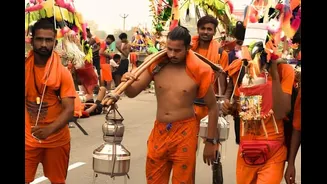
Kanwar Yatra is a pilgrimage dedicated to Lord Shiva in which devotees travel to sacred rivers, especially the Ganga, to collect holy water. The collected water is carried in a Kanwar, a decorated bamboo pole with pots tied on both ends.
The devotees carry the Kanwar on their shoulders and walk, often covering long distances barefoot, before reaching their hometowns or Shiva temples where the holy water is offered to the Shivling.
Kanwar Yatra 2026: Important Dates
- Kanwar Yatra 2026 Start Date: July 30, 2026
- Kanwar Yatra 2026 End Date: August 11, 2026
- Special Occasion: Sawan Shivratri 2026
- Final Ritual: Jalabhishek (offering holy Ganga water to the Shivling)
History and Significance of Kanwar Yatra
The tradition of Kanwar Yatra is associated with deep-rooted Shaivite beliefs and the worship of Lord Shiva. According to Hindu traditions, offering Ganga water to Lord Shiva during Shravan is considered highly auspicious.
Many devotees believe that the pilgrimage helps them seek Lord Shiva’s blessings, express devotion, and fulfil spiritual vows. The month of Shravan holds special importance among Shiva devotees as it is considered a period dedicated to prayers, fasting, and religious observances.
Major Kanwar Yatra Routes and Destinations
The most popular Kanwar Yatra routes include:
- Haridwar, Uttarakhand: One of the biggest centres where devotees collect Ganga water.
- Gaumukh and Gangotri, Uttarakhand: Important pilgrimage destinations connected with the origin of the Ganga.
- Delhi-NCR and western Uttar Pradesh routes: Witness large numbers of Kanwariyas travelling towards Shiva temples.
Several prominent Shiva temples receive Kanwariyas during the final days of the pilgrimage.
Kanwar Yatra Rituals and Traditions
- Carrying the Kanwar: The Kanwar is a decorated bamboo structure with water pots placed on both ends. Devotees carry it on their shoulders throughout the journey.
- Importance of Ganga Water: The holy water collected from the Ganga is considered sacred and is offered to Lord Shiva during Jalabhishek.
- Kanwar Should Not Touch the Ground: One of the strict practices followed by many Kanwariyas is that the Kanwar should not be placed directly on the ground after filling it with holy water. Devotees use specially prepared stands or hang the Kanwar from trees during rest periods.
- Saffron Clothes and Barefoot Journey: Many devotees traditionally wear saffron-coloured clothes and undertake the journey barefoot as a symbol of faith and dedication.
Safety Measures and Administration During Kanwar Yatra 2026
Due to the large number of devotees participating every year, authorities in states such as Uttarakhand, Uttar Pradesh, and Delhi-NCR implement extensive arrangements.
Security and crowd management measures generally include:
- CCTV surveillance
- Drone monitoring
- Traffic diversions
- Dedicated Kanwar routes
- Medical facilities and emergency support
- Crowd control arrangements
Authorities also issue travel advisories to ensure the safety of both pilgrims and local residents.
Kanwar Yatra 2026: Frequently Asked Questions (FAQs)
When will Kanwar Yatra 2026 start?
Kanwar Yatra 2026 will begin on July 30, 2026, during the holy month of Shravan.
When will Kanwar Yatra 2026 end?
The pilgrimage will conclude on August 11, 2026, on Sawan Shivratri, when devotees perform Jalabhishek at Shiva temples.
Why do devotees carry Kanwar?
Devotees carry Kanwar to bring holy Ganga water and offer it to Lord Shiva as part of their religious vows and worship rituals.
What is a Kanwar?
A Kanwar is a decorated bamboo pole with water pots attached to both ends, carried by devotees on their shoulders during the pilgrimage.
Why is Kanwar Yatra performed in Shravan?
Shravan is considered a sacred month dedicated to Lord Shiva, and devotees believe that worship during this period brings spiritual blessings.
Which places are important for Kanwar Yatra?
Haridwar, Gangotri, and Gaumukh are among the most significant destinations where devotees collect holy Ganga water.
Why do Kanwariyas wear saffron clothes?
Saffron is traditionally associated with spirituality and devotion, and many pilgrims wear it as a symbol of their dedication to Lord Shiva.
What precautions should devotees follow during Kanwar Yatra?
Devotees should stay hydrated, follow administration guidelines, use designated routes, maintain cleanliness, and seek medical help when required.