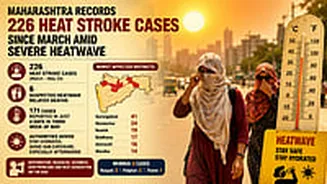





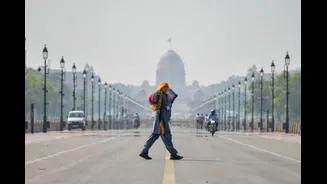

The India Meteorological Department (IMD) has warned that heatwave to severe heatwave conditions are likely to continue across the plains of northwest India, central and east India, and parts of peninsular
India over the next 6–7 days. Several regions remain under red and orange alerts as temperatures continue to soar.
According to the IMD, the ongoing weather conditions could significantly increase the risk of heat-related illnesses and heat stroke, especially among children, senior citizens, outdoor workers, and people with existing health conditions.
Why Heatwaves Are Dangerous
Extreme heat does not just cause discomfort. Prolonged exposure to high temperatures can lead to dehydration, heat exhaustion, and life-threatening heat stroke.
According to the World Health Organization (WHO), heatwaves can trigger symptoms such as dizziness, headaches, muscle cramps, weakness, fainting, nausea, and confusion. In severe cases, the body loses its ability to regulate temperature, which can become a medical emergency.
The IMD has also warned that a “very high likelihood” of heat illness exists in red alert areas, urging people to avoid unnecessary sun exposure and remain hydrated.
How To Protect Yourself Outdoors During A Heatwave
Avoid Going Out During Peak Hours: Health experts advise limiting outdoor activity between 11 AM and 4 PM, when temperatures are usually at their highest. If stepping out is unavoidable, try to stay in shaded areas and avoid prolonged direct sun exposure.
Drink Water Frequently: One of the biggest risks during a heatwave is dehydration. The WHO recommends drinking water regularly, even if you do not feel thirsty. Carry a water bottle while travelling outdoors and avoid excessive caffeine or alcohol, which can worsen dehydration.
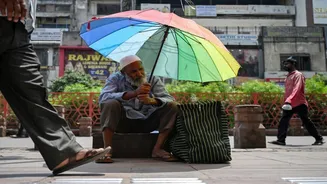
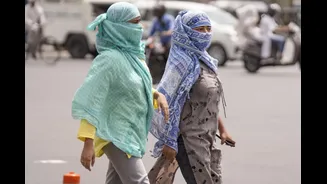
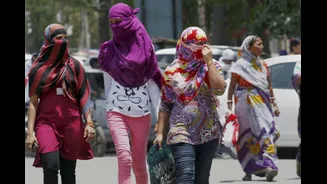
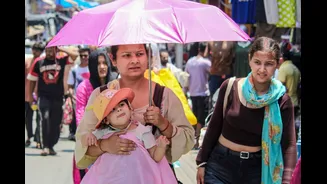
Wear Light And Breathable Clothing: Loose-fitting, light-coloured cotton or linen clothes help the body cool down more effectively. Experts also suggest wearing sunglasses, caps, hats, or carrying umbrellas while outdoors to reduce direct heat exposure.
Avoid Strenuous Physical Activity: Health agencies advise against heavy exercise, running, or physically demanding work during intense afternoon heat. If possible, schedule outdoor tasks during early morning or evening hours.
Eat Light Meals: Experts recommend lighter meals with fruits, vegetables, and water-rich foods during extreme heat. Heavy or oily meals may increase body heat and discomfort.
Warning Signs You Should Never Ignore
Heat exhaustion and heat stroke can escalate quickly if ignored. Seek immediate medical help if someone experiences:
- High body temperature
- Confusion or disorientation
- Dizziness or fainting
- Severe headache
- Nausea or vomiting
- Rapid heartbeat
- Dry or very hot skin
The government advisory states that heat stroke is a medical emergency and severe cases may require immediate assistance through emergency helplines like 108 or 102.
Extra Care Needed For Vulnerable Groups
Children, elderly people, pregnant women, and people with chronic illnesses face a higher risk during severe heatwaves. Authorities also advise checking on people who live alone and ensuring pets and animals have enough water and shade.
With temperatures expected to remain dangerously high in many parts of the country, experts stress that prevention is the best defence. Staying hydrated, avoiding direct sun exposure, and recognising early symptoms can help reduce the risk of serious heat-related illnesses.