






Europe has officially activated its long-awaited digital border control system, marking a significant shift in how non-EU travellers enter and exit the Schengen zone.
The Entry/Exit System (EES), now fully
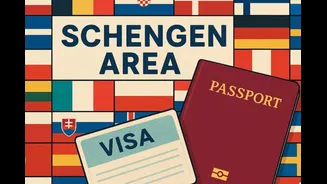
operational as of April 10, 2026, replaces traditional passport stamping with a biometric, data-driven process across 29 countries, according to the European Union and multiple reports.
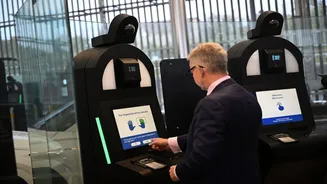
Under the new system, travellers will have their fingerprints and facial images recorded, along with passport details and travel history. The move is aimed at improving border security, detecting overstays, and reducing identity fraud.
What you’ll be asked to do
If you’re travelling to Europe now, expect a few additional steps at immigration:
Biometric registration on first entry: Travellers must provide fingerprints and a facial scan, typically at self-service kiosks or with border officials.
Digital passport logging: Your passport will no longer be stamped; instead, all entry and exit data will be recorded electronically.
Travel verification: Officials may ask for details such as accommodation, return tickets, or purpose of visit.
Faster repeat travel: Once registered, future trips will involve biometric verification rather than full re-registration.
The rules apply to all short-stay visitors, including Indian travellers, staying up to 90 days within a 180-day period.
What changes for travellers
The most visible change is the elimination of passport stamps, replaced by a fully digital tracking system.
However, the rollout may not be entirely seamless. Travellers are already being warned about longer queues and delays, especially during the early phase of implementation, as systems and staff adjust.
Why this matters
The EES is part of Europe’s broader push towards smarter, tech-enabled borders. While it promises faster and more secure processing in the long run, it introduces a more structured and data-heavy entry process in the short term.
For travellers, the takeaway is simple: expect a more digitised and initially slower experience at European borders, and plan accordingly.