


Karwa Chauth 2026 Puja Samagri List: Karwa Chauth 2026 will be celebrated on Thursday, October 29, with married women traditionally observing a day-long fast and praying for their husbands’ well-being
and longevity. From the pre-dawn sargi meal to the evening puja and moon-sighting ritual, preparing the required samagri in advance can help devotees organise their vrat without last-minute confusion.
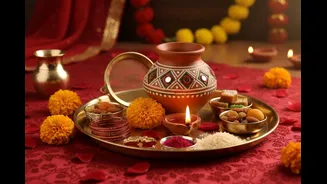
The Karwa Chauth puja involves the worship of Goddess Parvati, Lord Shiva, Lord Ganesha and Karwa Mata, followed by prayers to the Moon. Essential items typically include a clay karwa, diya, roli, kumkum, rice, flowers, sweets, a sieve and a puja thali. Sargi ingredients and solah shringar items are also part of the preparations in many families.
Read More: Karwa Chauth 2026 Date, Muhurat, Rituals And Significance Every Wife Must Know
According to Drik Panchang, Karwa Chauth falls on October 29, 2026. For Mumbai, the muhurat is 6:07 PM to 7:22 PM, while the expected moonrise is around 9 PM. Timings can vary by location and panchang calculation.
Here is a detailed Karwa Chauth 2026 puja samagri checklist covering the morning sargi, altar preparation, evening worship, traditional offerings and moon-sighting ceremony.
Karwa Chauth 2026: Date, Puja Muhurat and Moonrise Time
- Karwa Chauth date: Thursday, October 29, 2026
- Puja muhurat in Mumbai: 6:07 PM to 7:22 PM
- Expected moonrise in Mumbai: Around 9 PM
- Main rituals: Sargi before sunrise, evening puja, Vrat Katha and Chandra darshan
Complete Karwa Chauth 2026 Puja Samagri List
Idols and Altar Setup
Prepare a clean space for the evening puja and arrange the following items:
- Wooden chowki or a small stool
- Red or yellow cloth to cover the chowki
- Pictures or idols of Goddess Parvati, Lord Shiva and Lord Ganesha
- Picture or symbolic representation of Karwa Mata, according to family tradition
- Red chunari or cloth for the deities
- Fresh flowers, preferably marigolds or roses
- A small plate for arranging the puja offerings
Some families represent Karwa Mata with a supari wrapped in red mauli. Customs differ by region and household, so follow the practices observed by your family.
Karwa Chauth Puja Thali and Evening Ritual Essentials
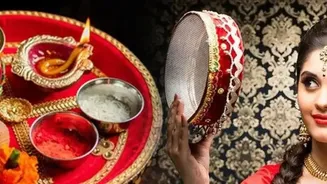
The puja thali holds many of the items needed for the evening worship and moon-sighting ceremony. Keep these essentials ready:
- Clay karwa, traditionally used to hold water for the ritual
- Lid for the karwa, if required by your family tradition
- Water-filled lota for offering arghya to the Moon
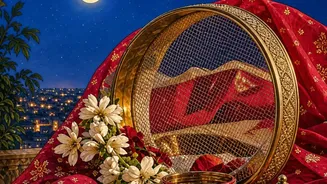
- Chalni or sieve for the moon-sighting ritual
- Clay diya or earthen lamp
- Cotton wicks and ghee for lighting the diya
- Camphor and incense sticks
- Roli and kumkum
- Sindoor and haldi
- Chandan or sandalwood paste
- Akshat, or unbroken raw rice
- Mauli, the red sacred thread
- Paan leaves
- Coins or cash for dakshina
- Karwa Chauth Vrat Katha book or a copy of the traditional story
- A small plate for prasad
Check the karwa and sieve beforehand to ensure they are clean and ready to use. Keep drinking water for the arghya offering separately from any water reserved for other puja rituals.
Bhog, Prasad and Traditional Offerings
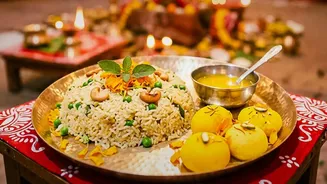
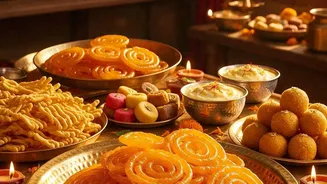
Offerings vary according to regional customs and family practices. Commonly used items include:
- Fresh fruits
- Traditional sweets and mithai
- Mathri
- Halwa or boora, also known as powdered sugar
- Raw wheat or rice
- Dry fruits or panch meva
- Milk
- Curd
- Honey
- Ghee
- Sugar
- Gangajal, where customary
Not every household uses all these ingredients. Select the offerings prescribed by your family tradition and arrange them on clean plates before the puja begins.
Solah Shringar: Traditional Attire and Adornments
Solah shringar refers to traditional bridal adornments associated with married women’s festive dressing. Items used for Karwa Chauth may include:
- Festive saree, suit or lehenga
- Bangles
- Bindi
- Mehendi or henna
- Sindoor
- Comb
- Jewellery, including earrings and necklaces
- Toe rings or bichua
- Mahavar or alta, where customary
- Red, pink or other festive-coloured accessories
The specific adornments vary across communities and personal preferences. Keep your outfit, jewellery and other accessories ready in advance so that you have enough time to prepare for the evening puja.
Baya and Gifts for the Mother-in-Law
In many families, baya is an important part of Karwa Chauth preparations. It may include traditional food items, sweets, clothes, gifts or money presented to the mother-in-law or another senior woman in the family.
Depending on the household custom, prepare:
- A decorated plate or basket
- Sweets and seasonal fruits
- Clothes or other traditional gifts
- Cash or other customary offerings
The contents of baya are not identical in every region. Confirm the expected items with family members before preparing the gift.
Morning Sargi Essentials
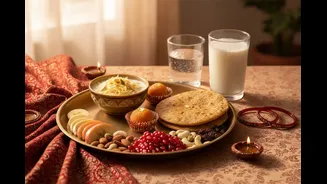
Sargi is the pre-dawn meal traditionally eaten before the fast begins. In many families, it is prepared or presented by the mother-in-law. The meal often includes a mix of foods intended to provide nourishment for the day.
Common sargi items include:
- Seviyan or pheni, sometimes prepared with milk
- Paratha or another filling breakfast item
- Curd
- Fresh seasonal fruits
- Almonds, cashews, raisins and other dry fruits
- Milk
- Coconut water or fresh juice
- Traditional sweets, according to family custom
Sargi menus differ from one household to another. Choose foods that suit your dietary needs and hydration requirements rather than feeling obliged to eat every traditional item.
Karwa Chauth 2026 Evening Puja: What to Do
Once the altar and samagri are ready, devotees can follow their customary evening puja procedure. A typical sequence includes:
- Prepare the puja space: Cover the chowki with a clean cloth and arrange the pictures or idols of the deities.
- Arrange the puja thali: Place the roli, kumkum, rice, flowers, diya, incense and other required items within easy reach.
- Perform the evening worship: Offer prayers to Goddess Parvati, Lord Shiva, Lord Ganesha and Karwa Mata according to family tradition.
- Listen to or recite the Vrat Katha: The Karwa Chauth story forms an important part of the observance in many communities.
- Prepare for moonrise: Keep the karwa containing water, the sieve and the arghya vessel ready.
- Offer arghya to the Moon: After the Moon is sighted, make the traditional water offering and complete the customary prayers.
- Break the fast: Follow your family’s ritual for ending the vrat after moon-sighting and the required offerings.
The exact order of rituals may vary. Use your family’s customary puja vidhi or seek guidance from your priest if you follow a specific regional tradition.
Karwa Chauth 2026: Frequently Asked Questions
When is Karwa Chauth in 2026?
Karwa Chauth will be observed on Thursday, October 29.
What is the Karwa Chauth puja muhurat in Mumbai?
Drik Panchang lists the puja muhurat in Mumbai as 6:07 PM to 7:22 PM. Check a location-specific panchang for timings in other cities.
What are the most important items for the Karwa Chauth puja thali?
Common essentials include a clay karwa, a water vessel, a sieve, diya, cotton wicks, ghee, roli, kumkum, rice, flowers, sweets and the items required for the customary arghya offering.
What should be included in the Karwa Chauth sargi?
Sargi commonly includes seviyan or pheni, paratha, curd, fresh fruits, dry fruits and milk or another suitable drink. The menu varies by household and region.
Is every item on the Karwa Chauth samagri list compulsory?
No. The items used for the puja and vrat differ across communities and families. Use this checklist as a guide and follow the customs practised in your household.
What time will the Moon rise on Karwa Chauth 2026?
The expected moonrise in Mumbai is around 9 PM on October 29, 2026. The timing varies by city, and local weather or obstructions may affect when the Moon becomes visible.
Preparing the Karwa Chauth 2026 puja samagri in advance can make the day’s rituals easier to organise. From sargi and solah shringar to the evening puja thali and moon-sighting essentials, a checklist helps devotees prepare according to their family traditions without overlooking the basics.