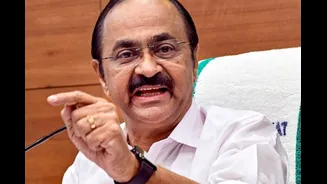







A day after criticising Grand Mufti Kanthapuram AP Aboobacker Musliyar over his remarks on women, Kerala Chief Minister VD Satheesan deleted his video post on the issue from social media on Thursday.
Satheesan
had on Wednesday rejected the cleric’s assertion that “women should remain confined to homes”, describing the view as a “19th-century mindset”. He had also made it clear that neither his government nor his party supported the position.
However, the Chief Minister removed the Facebook video a day later, prompting a strong reaction from the BJP.
The withdrawal followed a meeting between Satheesan and a delegation of Sunni clerics representing Kanthapuram. The delegation reportedly convinced the Chief Minister that the Mufti’s remarks had been distorted.
According to the clerics, a statement issued by Samastha to Mahal office-bearers and the community on religious rules to be followed during religious celebrations had been misrepresented, resulting in a misunderstanding.
They also told the Chief Minister that his response to the matter did not reflect the actual situation.
Following the meeting, Satheesan removed the social media video, which had carried the caption “I disagree with the statement”.
The BJP subsequently targeted the Chief Minister over the move, accusing him of retracting his criticism of the cleric under pressure to protect his position.
The BJP’s Kerala unit also shared an image depicting the Chief Minister prostrating before the cleric.
❌ കേരളത്തിൽ ജമാത്തെ ഇസ്ലാമിയും മുസ്ലീം ലീഗും പറയുന്നതെന്തോ അതാണ് മുഖ്യമന്ത്രിയുടെ നിലപാട്.
❌ ഇവർ പുറപ്പെടുവിക്കുന്ന തിട്ടൂരങ്ങൾക്ക് അനുസരിച്ച് തുള്ളുക മാത്രമാണ് മുഖ്യമന്ത്രി വിഡി സതീശൻ ചെയ്യുന്നത്.
❌ കാന്തപുരത്തിൻ്റെ സ്ത്രീ വിരുദ്ധ നിലപാടിനെ എതിർക്കാൻ കഴിയാത്ത ഇവർ മത… pic.twitter.com/n03b2wrnK1
— BJP KERALAM (@BJP4Keralam) September 3, 2026
Kanthapuram Says Women Should Stay Home
Kanthapuram made the controversial remarks while addressing a Hubbul Rasool conference in Kochi on Sunday. He argued that bringing women into the public sphere would result in “great destruction” and said Islam prescribed purdah to prevent such an outcome.
He illustrated his argument using the example of a gold necklace displayed at a jewellery shop in Ernakulam. He described how the necklace was brought out from a cupboard, placed in a box and then wrapped, contrasting this with stone grinders at a neighbouring shop that remained by the roadside as people walked over them.
If a necklace were similarly left on the road, Kanthapuram said, everyone passing by would touch it until its beauty was destroyed.
Quoting a Quranic verse, he said: “Women should remain confined within their homes. They should not enter the public sphere. The Holy Quran says so.”
He further claimed that Samastha scholars had taught the same principle for 100 years and argued that it had helped women maintain their dignity. According to him, the restriction represented a form of respect.
Responding to those questioning his authority to make such statements, he said: “We have studied the religion. Therefore, it is our duty to say this. We will say it, and we will continue to say it. Nobody can stop it.”
CM Deleted The Post
Satheesan had responded to the remarks on Wednesday by rejecting the Grand Mufti’s position that women should stay inside their homes. He said neither his government nor his party would support such a view.
“No, we do not agree at all with his statement that if women enter the public sphere it will cause great ruin, and that the Quran says women should remain submissive and stay inside their homes. We cannot agree with that stance in any manner. Not in any way,” the Chief Minister had said.
He had also described the position as anachronistic, saying: “Something that used to be said back in the 19th century is being stated in the 21st century. Women are not meant to live submissively inside homes. Our stance is a progressive one, that women should participate in all aspects of mainstream life. Make no mistake about it.”
Satheesan had also argued that the cleric’s interpretation was a misreading of Islam rather than an accurate representation of the religion.