






Iran now has an estimated 1,000 ballistic missiles remaining, down from roughly 2,500 at the start of the conflict with Israel and the United States, according to a report cited by The Times, which references
analysis from the Alma Research Centre, an Israeli think tank.
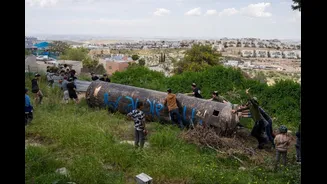
The report notes that these missiles can be launched from both mobile platforms, such as trucks and from underground silos, giving Tehran flexibility in sustaining strikes even as its arsenal declines.
Despite the reduction, analysts caution that Iran has demonstrated resilience in rebuilding its capabilities after previous confrontations.
According to the Alma Research Centre’s assessment cited by The Times, Iran had about 1,500 missiles remaining after last year’s 12-day war but managed to manufacture another 1,000 missiles in the eight months that followed.
The estimate suggests that even sustained bombing of Iran’s military-industrial infrastructure by US and Israeli forces may not permanently eliminate its missile capacity.
Lieutenant Colonel Sarit Zehavi, head of the centre and an Israel Defence Forces reservist, said she was “surprised” by how effectively Iran rebuilt its missile capabilities after the earlier conflict, underscoring concerns that Tehran could again replenish its arsenal.
DECLINE IN MISSILE LAUNCH RATE SIGNALS STRAIN
The report indicates that Iran’s firing rate has slowed significantly over the course of the war.
Tehran initially launched dozens of ballistic missiles per day, but that rate has dropped to roughly ten missiles daily, suggesting pressure on its stockpile and production capacity following weeks of strikes targeting missile depots and manufacturing sites.
US and Israeli forces have targeted key facilities linked to Iran’s missile programme across several cities, aiming to weaken Tehran’s ability to conduct sustained retaliatory attacks.
Reuters has also reported continued missile launches by Iran despite signs of depletion, highlighting that the conflict remains active.
Iranian missile strikes triggered air raid sirens across parts of Israel, including Tel Aviv, with interceptions causing blasts and debris damage in northern areas, though no deaths were reported in one wave of attacks.
USE OF CLUSTER MUNITIONS RAISES SECURITY CONCERNS
According to The Times, Iran has increasingly relied on cluster munitions, which disperse multiple smaller bomblets over a wide area, potentially increasing the destructive impact of fewer missiles.
Analysts suggest this may indicate Tehran is attempting to maximise the effectiveness of its remaining arsenal.
Reuters has reported that cluster missiles present a particular challenge for air defence systems because they must be intercepted before the warhead separates mid-air, complicating interception efforts and increasing risks to civilian areas.
CONFLICT CONTINUES AMID DIPLOMATIC UNCERTAINTY
The conflict, meanwhile, continues to evolve, with Iran launching multiple waves of missiles at Israel even as diplomatic signals emerged from Washington about possible progress in talks aimed at reducing hostilities.
Donald Trump said the United States had held “very good and productive” discussions with Iranian officials, prompting a postponement of a threatened strike on Iran’s energy grid.
However, Iranian officials denied negotiations had taken place and described the claims as attempts to influence financial markets.
Indirect diplomatic channels involving regional actors remain active, suggesting ongoing efforts to reduce tensions even as military exchanges continue.
STRAIT OF HORMUZ REMAINS A GLOBAL FLASHPOINT
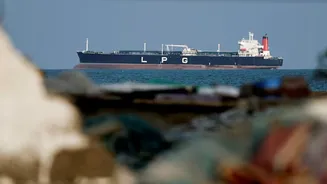
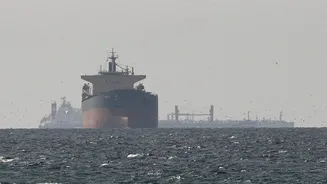
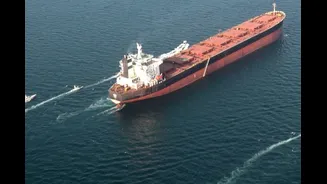
Despite the decline in missile numbers, The Times report emphasises that Iran retains the capacity to exert pressure on global markets, particularly through potential disruptions to shipping in the Strait of Hormuz.
The waterway is a critical conduit for global energy supplies, and any disruption could have significant economic consequences worldwide.
Analysts warn that even relatively limited attacks on oil tankers or shipping infrastructure could affect energy flows and market stability.
Tensions around the Strait of Hormuz have already contributed to volatility in oil prices, reflecting concerns about supply disruptions linked to the conflict.
ALSO READ | ‘Speculation Should Not Be Deemed Final’: White House On Possible US-Iran Talks In Pakistan