







For most pet parents, feeding is a routine task, a scoop of kibble, a filled bowl, and back to the day’s to-do list. But experts say mealtime holds far greater meaning. It is one of the most powerful daily
rituals that shapes not only a pet’s physical health but also their emotional connection with their human.
Smriti Thomas, Founder and CEO, Muttley Crew, believes feeding is one of the simplest yet most profound ways to build trust. She explains, “Feeding time is a moment in the day when pet parents and their pets slow down and connect. It’s a daily pause, a moment where trust is built quietly and consistently.” According to her, what goes into the bowl matters just as much as the act itself, because nutrition reflects the thought and care invested in a pet’s overall well-being.
This shift in mindset is already visible among modern pet parents. Ingredient quality, balanced nutrition, and portion control are becoming priorities rather than afterthoughts. Thomas notes that clean-label treats, functional ingredients that support gut health or immunity, and age-appropriate diets are increasingly becoming the foundation of responsible pet care. Over time, these small but consistent choices strengthen familiarity and deepen emotional intimacy between pets and their humans.
But the emotional impact of feeding is not just about the food, it’s also about the environment. Thomas advises pet parents to create a calm, distraction-free space during meals. Loud televisions or busy surroundings can make pets feel alert and uneasy, while a quiet corner allows them to relax and associate mealtime with comfort and safety. She also recommends avoiding rushed feeding. Simply staying nearby while your pet eats can reassure them and transform feeding from a mechanical task into a shared moment of security.
While emotional bonding is central, feeding time can also be a powerful tool for behavioural development. Dr Yamini P. Suresh, founder, Pegasus Pet Care, highlights that mealtime offers valuable training opportunities. Asking pets to follow simple commands such as “sit” or “stay” before placing the bowl helps reinforce discipline and improves communication. Pets begin to associate positive behaviour with positive outcomes, strengthening mutual understanding.
Consistency, she adds, is equally important. Fixed feeding schedules help pets feel emotionally secure and reduce anxiety. Predictable routines regulate digestion and create a sense of stability, allowing pets to anticipate and look forward to their daily interactions.
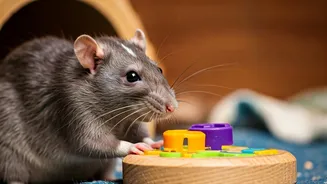
Dr Suresh also encourages pet parents to make feeding more engaging through enrichment tools. Interactive feeders, puzzle toys, and snuffle mats stimulate a pet’s mind and slow down eating, which benefits both mental and physical health. These tools mimic natural foraging behaviours, keeping pets mentally active and emotionally satisfied.
Treats, too, play a meaningful role when used correctly. Rather than offering them randomly, Dr Suresh recommends using treats as purposeful rewards during training or to reinforce positive behaviour. This strengthens learning and builds trust, while preventing overfeeding and obesity. Similarly, combining feeding with play such as rewarding pets after a game of fetch helps create positive emotional associations between activity, nourishment, and bonding.
Ultimately, feeding is far more than a daily necessity. It is a ritual of care, communication, and connection. As Thomas puts it, feeding should never feel transactional. Instead, it is an act that reinforces love, security, and companionship, one bowl at a time.
When approached with intention, mealtime becomes not just about nourishing the body, but also about nurturing a relationship that defines the heart of pet parenting.