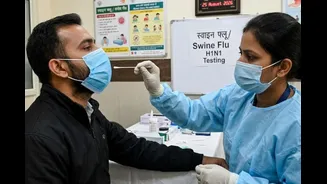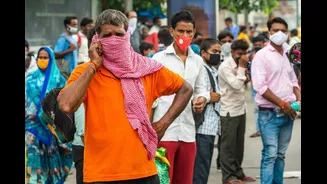







Swine Flu Alert: A rise in swine flu cases in Delhi and other parts of the country, including Karnataka, has raised concerns among people. However, health authorities and experts have maintained that there
is no need to panic and urged people to follow basic precautions to reduce the risk of infection and severe illness.
Follow LIVE Updates On Swine Flu Cases In Delhi
Doctors have recommended the following measures to protect against H1N1 and seasonal influenza:
Wash your hands regularly
Wash your hands frequently with soap and water for at least 20 seconds. If soap and water are unavailable, use an alcohol-based hand sanitiser.
Also Read | Have These 7 Symptoms? You Could’ve Swine Flu: What To Know About H1N1
Follow proper coughing and sneezing etiquette
Cover your mouth and nose with a tissue or your elbow while coughing or sneezing. Avoid touching your eyes, nose or mouth with unwashed hands, as this can facilitate the spread of respiratory viruses.
Avoid close contact with sick people
Maintain a safe distance from people showing flu-like or respiratory symptoms. Avoid unnecessary physical contact, including handshakes, as contaminated hands can potentially transfer the virus when a person touches their eyes, nose or mouth.
If you develop flu-like symptoms, stay home and limit close contact with others to reduce the risk of passing the infection on.
Keep surroundings clean and well-ventilated
Regularly clean and disinfect frequently touched surfaces such as doorknobs, phones and countertops. Keeping indoor spaces well-ventilated can also help reduce the concentration of respiratory viruses in the air.
Maintain healthy habits
Stay hydrated, eat a balanced and nutritious diet, exercise regularly, get adequate sleep and maintain good personal hygiene. While these habits support overall health and immune function, they do not provide specific immunity against H1N1.
As per Dr Rajiv Bahl, Director General of the Indian Council of Medical Research (ICMR), following basic precautions can help reduce the chances of developing severe illness from a viral infection.
“There is nothing more that needs to be done beyond that. However, if you develop symptoms such as respiratory distress, difficulty breathing, rapid breathing, chest pain, or any other severe respiratory problem, it is important to go to a hospital,” he said.