





In an age dominated by fast fashion and fleeting trends, millennials are quietly redefining what luxury and status truly mean. Increasingly, the symbols of success are no longer loud logos or seasonal
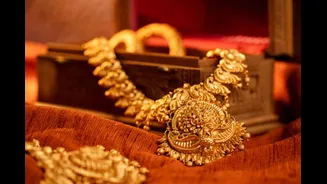
statement pieces, but jewellery that carries history, craftsmanship, and emotional weight. Heirloom jewellery, once reserved for weddings or vaults is now being embraced as an everyday expression of identity, values, and legacy.
For Rohan Narang, Director at Hazoorilal Legacy, this shift reflects a deeper, more personal relationship with luxury. He notes that millennials are drawn to heirloom pieces not just for their age or rarity, but for what they represent. Jewellery today is expected to feel intimate and authentic—something that can be worn, styled, and lived in, rather than preserved only for milestone occasions. What defines status now, he explains, is discernment: an appreciation for legacy craftsmanship, trusted provenance, and thoughtful design that feels relevant today yet meaningful enough to pass on. In this sense, heirloom jewellery signals a quiet confidence, luxury that is enduring rather than performative.
That idea of intentional ownership resonates strongly with Prerna Khurana, Director, Khurana Jewellery House. She observes that for millennials, heirloom jewellery has moved beyond being ceremonial. Instead, it has become deeply personal and values-driven. This generation seeks pieces that tell stories of heritage, skilled craftsmanship, and emotional continuity rather than jewellery that simply follows trends. Authenticity, she says, is central to this mindset: from the purity of the gold to the care invested in every detail. Millennials want jewellery that feels contemporary enough to wear now, yet holds the promise of becoming tomorrow’s legacy. For them, status lies in owning something meaningful and enduring, rooted firmly in tradition.
Expanding on this perspective, Mira Gulati, founder and principal designer, Mirari Jewel, believes heirloom jewellery represents permanence in a world obsessed with speed. She points out that true luxury today is defined less by visibility and more by lasting value. Heirloom pieces stand apart because they carry stories, emotions, and cultural memory, qualities no logo or trend-driven accessory can replicate. In India especially, jewellery has always been intertwined with inheritance and life’s milestones, and millennials are now rediscovering the power of that connection.
For Gulati, passing down jewellery is not just about preserving material wealth, but about safeguarding family history and cultural pride. Heirlooms allow each generation to reinterpret tradition in their own way, blending continuity with personal expression. These pieces, she notes, are investments not only in gold or gemstones, but in craftsmanship and sentiment that transcend time.
Together, these voices point to a clear cultural shift. For millennials, heirloom jewellery is no longer about nostalgia alone, it is about relevance, responsibility, and resonance. In choosing pieces that endure, they are redefining status as something quieter yet far more powerful: ownership rooted in meaning, memory, and legacy rather than excess.