







In 2025, India’s internet doesn’t just consume content, it speaks in it. Memes, dubbed audio, filters, and bite-sized videos have become more than entertainment; they have formed a new vernacular. Gen
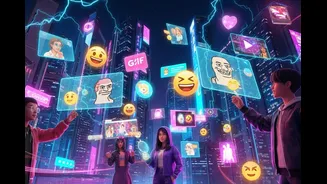
Z and millennials account for over 70% of daily YouTube Shorts viewership, with Gen Z alone making up more than 45%. People are communicating less with full sentences and more through stickers, GIFs, filters, and memes. Whether it’s a simple chat with friends, a tricky discussion with family, or even a work conversation, these digital tools carry meaning quickly and visually.
A GIF can sum up frustration, excitement, or agreement in seconds, a filter can add humour or sarcasm without typing it out, memes can make a complex idea relatable or lighten a serious topic. Language isn’t just words anymore it moves in loops, inside jokes, and shared cultural signals that everyone online understands. If 2025 had a mood, it would be “expect the unexpected”, a new creole of pixels and sound bites, viral riffs and filters, a shared tongue without a dictionary.
Has India Drifted Towards A Language With Fewer Words?
The usual explanations are technological, algorithms, smartphone penetration, short-form video dominance but they only scratch the surface. The more revealing question is emotional.
Part of the answer lies in fatigue with a country juggling multiple spoken languages, endless debates and a relentless news cycle often finds relief in formats where feeling comes before articulation. A five-second gesture can say what a paragraph cannot. A well-timed cut carries more clarity than a sentence. A meme template delivers comfort through familiarity like a folk tune everyone knows the beat to, even if the lyrics keep changing.
Creators like the silent-comedy sensation KL BRO Biju Rithvik, whose Shorts on YouTube reach tens of millions, exemplify this shift. His work strips away language entirely, suggesting a collective desire to bypass verbal clutter. It’s communication by instinct, not grammar.
Why Are Filters, Dubbed Voices and Memes Becoming A New Way To Communicate?
Filters, dubbed voices, and memes are increasingly functioning as a new form of communication, not just entertainment. What sets them apart is how they convey meaning, tone, and emotion without relying on traditional language structures.
Filters act like visual punctuation or intonation. A filter can signal irony, exaggeration, mood, or sarcasm, adding a layer of meaning to otherwise simple visuals. For example, a glowing or exaggerated filter can instantly convey humor or mockery without a single word.
Dubbed voices allow content to cross linguistic boundaries while retaining the creator’s intended emotion or comedic timing. A single clip dubbed in multiple languages can convey the same sentiment to audiences across India, giving rise to a shared digital vocabulary.
Memes compress context, emotion, and cultural reference into short, instantly recognisable formats. They serve as emotional shorthand, allowing people to communicate complex feelings, jokes, or reactions quickly.
Together, these tools form a hybrid, platform-native language. In India, where users often navigate multiple spoken languages, this system enables communication that is both local and pan-Indian, understood by people regardless of their mother tongue.
The storyteller with the familiar text-to-speech voice. The cut that zooms into a face at just the right comedic beat. The AI-generated narrator who sounds as if she’s explaining a myth. The Italian “brainrot” audio that started as a playful chant and ended up in Indian Shorts stitched into jokes about office life, exams, relationships and minor personal tragedies.
Why Gen Z Connects More Through Non-Verbal Communication Than Words?
For Gen Z, meaning isn’t always in the words. Stickers, GIFs, memes, filters, and short video clips convey emotion, humour, and intent faster and more precisely than sentences ever could. A single reaction GIF can capture frustration, agreement, or excitement in a fraction of a second. A meme or a dubbed Short can carry cultural references and inside jokes that everyone “gets” without explanation.
Non-verbal digital communication also lets Gen Z navigate complexity and diversity effortlessly. In India, where people juggle multiple languages, visual and audio cues bridge the gaps. They’re universal enough to travel across regions but flexible enough for users to add their own personality. In short, Gen Z doesn’t just watch content they speak it, remixing and responding in ways that keep conversations fast, playful, and meaningful.
This digital language extends to creators and media at large. International creators like MrBeast now release videos in multiple Indian languages simultaneously, using local voice actors to match tone, slang, and regional style. Indian studios have made multi-language trailer releases standard, with Tamil, Telugu, Malayalam, Kannada, and Hindi versions all dropping together often accompanied by Shorts, memes, or prompts for viewers to remix.
The goal isn’t perfect translation; it’s making content feel familiar and relatable, no matter which language someone speaks. For Gen Z, this means understanding no longer relies solely on words. A meme, a dubbed clip, or a filter can carry the same feeling across languages and regions. Digital communication now thrives in gestures, sounds, and shared cultural cues, keeping exchanges clear, fun, and meaningful even when the spoken language changes.