




Any skincare routine should include cleansing, exfoliating, and moisturising. While cleansing and moisturising remove impurities and hydrate the skin, exfoliation is the real game-changer. Skincare is not
complete when one is missing.
Exfoliation is the foundation of healthy skin. It helps remove dead cells from the surface, encourages cell turnover, brightens the complexion, and allows skincare products to absorb more effectively.
But with so many exfoliating options available, choosing the right one can feel confusing. Among the most debated are enzyme scrubs and physical exfoliating scrubs. Both promise smoother, clearer skin, but they work in very different ways.
Dr Sunil Kumar Prabhu, dermatologist and aesthetic physician, Aster RV Hospital, shares what the difference is between the types of scrubs and how they can be used for the results you desire. The choice depends on your skin type and goals. Enzyme exfoliants are more effective for sensitive or delicate skin because they gently dissolve dead skin cells without harsh abrasion. However, physical scrubs offer immediate, tactile results suitable for normal to oily skin but can cause micro-tears if used too aggressively. Enzyme exfoliants are a gentler, less abrasive option, whereas physical scrubs are good for surface-level impurities.
What is Physical Scrub?
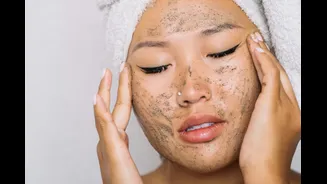
A physical scrub is a skincare product that contains gritty and slightly abrasive particles that help remove dead skin cells from the surface of the skin and promote a soft, refreshed, glowing appearance. The common ingredients in physical scrubs are sugar, salt, ground-up nuts, coffee grounds, microbeads and other synthetic agents. To reap all the benefits of physical scrubs, it is gently massaged onto the skin in circular motions.
Types of Physical Scrubs?
- Facial Scrubs: They contain finer, gentler particles like sugar or rice powder, designed to be non-abrasive and not irritate delicate facial skin. It helps deep-clean pores and remove excess oil. It may also include moisturising ingredients to prevent the skin from drying out.
- Body Scrubs: Body scrubs are generally made of sugar, salt or coffee exfoliants. Sugar scrubs are gentle and dissolve in water, making them ideal for sensitive skin. Salt scrubs are more abrasive, making them better suited for the body’s tougher skin. Coffee scrubs have a coarse texture and stimulate blood circulation, and reduce the appearance of cellulite.
What are chemical exfoliants?
Chemical exfoliants are those that depend on chemical ingredients to scrub away the dead skin cells. They break down the bonds that hold dead skin cells together, removing them gently and effectively. They contain acids or enzymes that are ideal for sensitive skin. It addresses issues like uneven skin tone, fine lines, acne and hyperpigmentation.
Types of Chemical Exfoliants?
- AHAs (Alpha hydroxy acids): AHAs are water-soluble acids that help remove dead skin cells and promote cell turnover. AHAs work best on dry and sensitive skin, as it is derived from fruits and milk. Common AHAs include Glycolic acid, Lactic acid, Citric acid or Malic acid. They help address signs of ageing, rough texture and uneven skin tone.
- BHAs (Beta hydroxy acids): They are oil-soluble acids that exfoliate the skin to clear out clogged pores. The most common BHA is Salicylic acid, which works best on oily and acne-prone skin as it helps to reduce inflammation, control oil, and prevent breakouts. They are commonly found in cleansers and spot treatments.
- PHAs (Polyhydroxy acids): They are like AHAs but have larger molecules that do not penetrate as deeply, making them gentler on the skin. This makes it ideal for people with sensitive skin or those just starting out to use chemical exfoliants. They provide gentle exfoliation, have moisturising benefits and do not cause irritation.
Which Type of Exfoliator is Better?
Which exfoliator is best for you highly depends on the type of skin you have and what concerns you are trying to fight. Here’s a breakdown to help you understand what will work for you:
Chemical exfoliants are suitable for all skin types, especially sensitive and acne-prone skin. They are safer since there’s no physical rubbing or scrubbing. Chemical exfoliants deeply penetrate pores, clearing them out of all impurities while being non-abrasive and hydrating. Using it once or twice weekly at the start proves sufficient as your skin builds up a tolerance.
Whereas physical scrubs are convenient to use at home and are more abrasive as compared to chemical exfoliants. They get rid of impurities and temporarily minimise the appearance of large pores. When using a physical scrub for sensitive skin, opt for gentle, fine-grained scrubs that do not irritate the skin. The benefit of physical scrubs is that they are effective for getting rid of blackheads and dull complexion, and allow other skincare products to absorb better in your skin.
Physical scrubs offer instant and surface-level results but can be abrasive, especially for sensitive or acne-prone skin. On the other hand, chemical exfoliants provide deeper and consistent exfoliation, targeting specific skin issues like fine lines, pigmentation, and acne. Make sure to use them correctly and pay attention to how your skin reacts to them.