








Travelling across Europe by train has long sounded more romantic than practical. The idea of gliding from Paris to Prague or Berlin to Barcelona without airport queues certainly appeals to travellers.
Yet in reality, booking cross-border rail journeys across Europe often becomes frustratingly complicated.
With different operators, separate booking systems, unclear passenger rights and multiple tickets, Euro train travel has historically turned what should feel seamless into something unnecessarily stressful for many but that might change soon.
Announced on 13 May 2026, the “One Journey, One Ticket” initiative seeks to transform fragmented national rail systems into a more unified, passenger-friendly network. According to reports, the proposal is designed to make rail travel across European countries easier, more transparent and more connected for passengers.

“Freedom of movement is one of Europe’s greatest achievements,” said Apostolos Tzitzikostas, Commissioner for Sustainable Transport and Tourism. “Today, we are taking it a step further by making travel across all 27 Member States simpler, smarter and more passenger-friendly.”
What Are The New Rules For Travellers?
The new EU rules aim to simplify and protect cross-border rail travel. Key points include:
One Journey, One Ticket: Travellers can buy a single ticket for journeys involving multiple train operators or countries.
Improved Connection Protection: If you miss a connection due to a delay (even on a different operator), you have the right to be re-routed to your
final destination at no extra cost.
Compensation and Assistance: You are entitled to compensation for significant delays on the overall journey. You can also receive meals, refreshments, and overnight accommodation if needed.
Greater Transparency: Large ticket platforms must display all available train options, including those from competing operators.
Advance Booking: Tickets must be made available for sale at least five months before departure.
Better Data Sharing: Railways will be required to share more data to improve journey planning across borders.
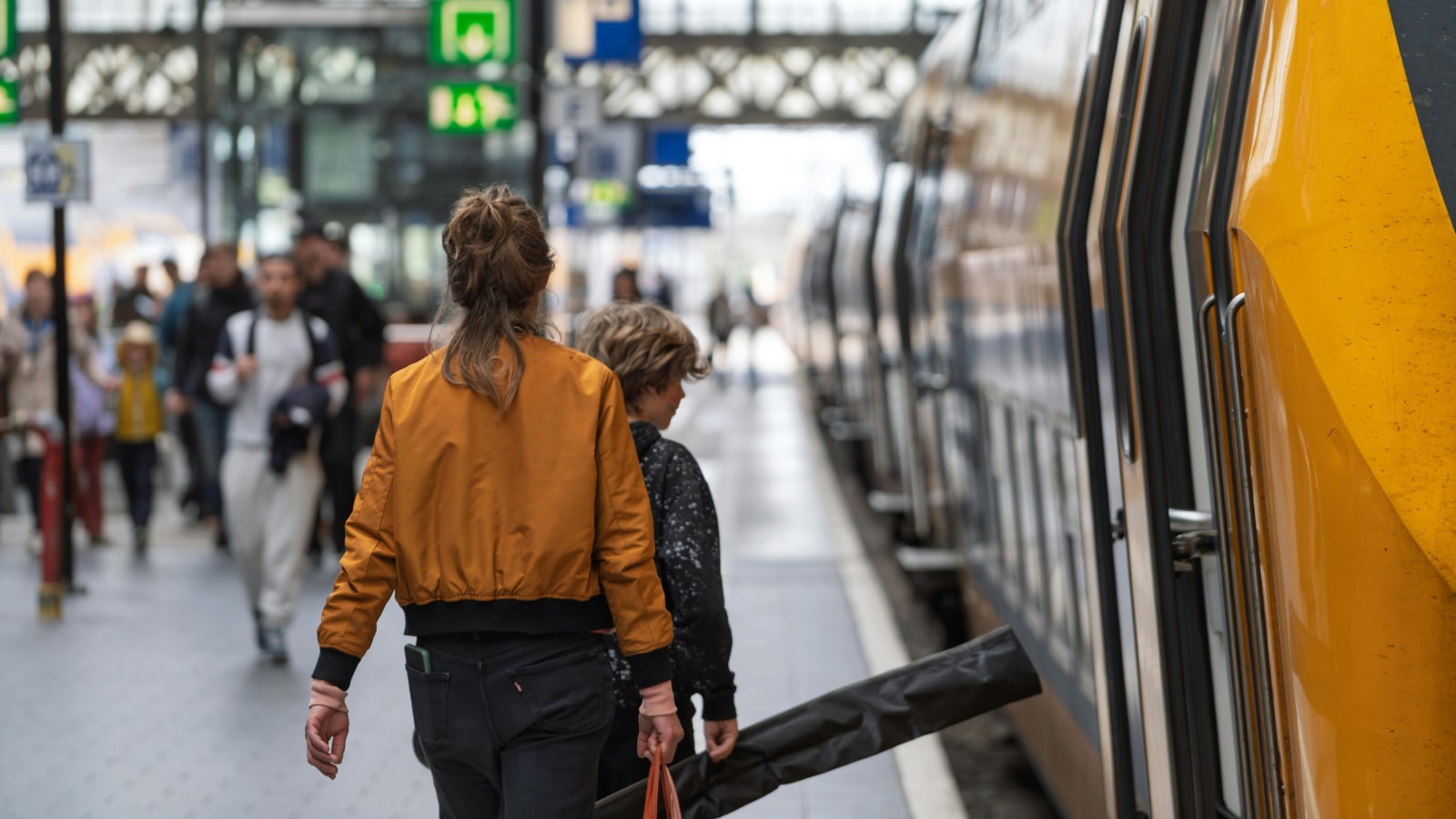
What Do The New Rules Mean For Passengers?
For passengers, these rules mean much less hassle and better protection.
- Buying tickets for multi-country trips becomes far simpler, no more juggling several bookings or apps.
- You get stronger rights if things go wrong (missed connections or delays).
- More choice and transparency when comparing prices and schedules.
- Greater confidence to plan ambitious rail journeys across Europe.
Overall, the rules shift the balance in favour of the passenger, making train travel more reliable, convenient, and attractive.
What Does This Mean For Travellers Going To Europe?
For international travellers visiting Europe, this is excellent news:
- Planning scenic multi-city rail trips (e.g., Paris → Amsterdam → Berlin or Rome → Vienna → Prague) becomes much easier and less stressful.
- You can book complex journeys with just one ticket instead of several.
- You are better protected against delays and missed connections, reducing anxiety during tight schedules.
- It makes train travel a more realistic and appealing alternative to flying — ideal for sustainable and immersive holidays.
- Long-term, expect smoother experiences, more ticket options, and better integration between different European railways.
Important Note: These are currently proposed rules. They still need final approval from the European Parliament and Council before becoming law. Once passed, changes will be rolled out gradually across EU countries.