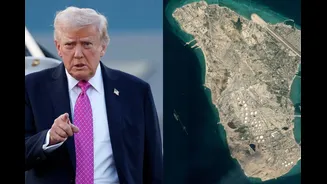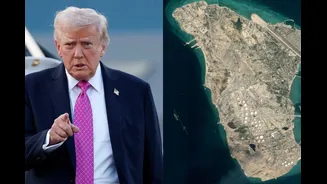




Kharg Island is small, rocky and only about 24 kilometres off Iran’s coast. But in the current Iran war, it has taken on importance far beyond its size. That is because this island is home to one of the most
critical pieces of Iran’s energy infrastructure: the terminal through which about 90 per cent of the country’s crude oil exports move.
That makes Kharg Island far more than just another military location in the Gulf. It is a vital economic artery for Tehran, and that is precisely why it is now being discussed in Washington as a possible pressure point.
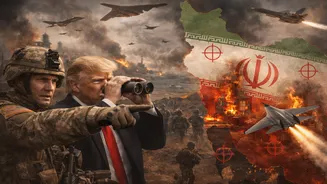
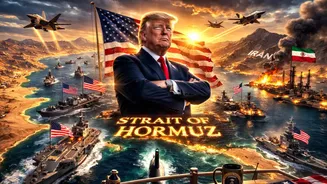
According to Axios, the Trump administration is considering plans to occupy or blockade the island to pressure Iran to reopen the Strait of Hormuz. A White House official told the BBC: “The United States Military can take out Kharg Island at any time,” while adding that Trump had no plans to send troops anywhere but that “he retains all options as Commander-in-Chief”.
That possibility has put Kharg at the centre of two intertwined questions: why the US sees it as strategically valuable, and what the consequences would be if Washington actually tried to seize it.
Why Is Kharg Island So Important To Iran?
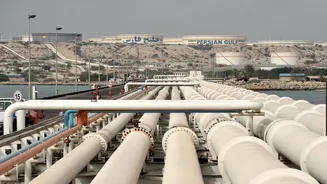
Kharg Island’s importance lies in the way Iran exports oil. The island’s coast sits close to deep waters, allowing very large tankers to dock at its long jetties and load crude brought in through pipelines from the mainland. These tankers can carry up to 85 million gallons of oil.
Iran’s shallow mainland coast does not offer the same advantage, which is why Kharg has become such a crucial export hub.
Once loaded, the tankers travel back down the Gulf and out through the Strait of Hormuz. According to the BBC, China is the main buyer of Iranian oil. A terminal for Iranian oil exports, the island also provides a major source of revenue for the Islamic Revolutionary Guard Corps (IRGC).
That is why Kharg is being seen as such a sensitive target.
Why Does The US Have Kharg In Its Sights Now?
It was reported on March 13 that the US military had bombed Kharg Island. Trump said at the time that its military facilities were “totally obliterated”, but that US forces had held off targeting its oil infrastructure. According to Centcom, US forces struck “more than 90 Iranian military targets on Kharg Island, while preserving the oil infrastructure”. The command said the strikes hit naval mine storage facilities, missile storage bunkers and numerous other military sites.
Iranian media, however, maintained that no damage was done to the island’s oil facilities. Ehsan Jahanian, political deputy to the governor of Bushehr province, said oil exports from Kharg were “fully underway” and “continuing without interruption”, according to Tasnim news agency.
Trump later made clear that the restraint on oil infrastructure was not guaranteed to last. “We can do that on five minutes’ notice. It’ll be over,” he said on March 16, referring to the pipelines. “Just one simple word, and the pipes will be gone too. But it’ll take a long time to rebuild that.”
Kharg is therefore being looked at not only because of its economic value, but because it could give Washington leverage.
Why Would The US Want To Seize Kharg Instead Of Just Strike It?
A strike and a seizure would not mean the same thing. Hitting infrastructure would damage Iran’s export capacity. Occupying or blockading the island would go a step further by allowing the US to directly disrupt Iran’s energy trade for a sustained period.
Kharg handles about 90 per cent of Iran’s oil exports, and the island’s deep-water position allows supertankers to dock there in a way they cannot along much of the mainland coast. Seizing it would therefore give the US a direct chokehold over the most important route through which Iran earns oil revenue.
Would Seizing Kharg Be Easy For The US?
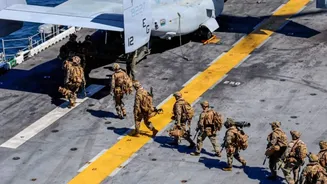
Not necessarily. The island might be taken relatively quickly, but holding it would be much harder and much riskier. A landing force would have to move considerable distances, either through naval vessels or as part of an airborne landing force.
Former US Central Command chief Joseph Votel told TWZ.com that only 800 to 1,000 troops would be needed on Kharg Island, but that they would require logistical backup and protection. That is a crucial point. Capturing the island is one question; sustaining troops there under fire is another.
And Iran is not sitting idle. CNN reported that Iran has reinforced its defences on Kharg in recent weeks, including by deploying additional military personnel and air defences. Tehran has sent additional shoulder-fired surface-to-air missiles to the island and has laid traps, including anti-personnel and anti-armour mines in surrounding waters.
That means any operation would have to reckon not only with Iran’s mainland capabilities, but also with a fortified island already expecting the possibility of invasion.
What Could Happen If The US Seizes Kharg Island?
The immediate impact would be economic and strategic. Iran’s oil exports would be hit at the point through which most of them move. With the Strait of Hormuz already under disruption, the seizure of Kharg would further endanger Iran’s energy trade and put additional pressure on Tehran’s economy.
But this would not be a clean or cost-free victory for Washington. Analysts believe the seizure could be achieved quickly, but it would leave US troops in great peril and prolong the war. That runs directly against Trump’s apparent desire for a swift and decisive outcome, especially given the war’s political unpopularity in the US ahead of the November mid-terms.
Ryan Brobst and Cameron McMillan of the Foundation for Defense of Democracies put the warning starkly: “A seizure and occupation of Kharg Island is more likely to expand and extend the war than it is to deliver any sort of decisive victory.”
How Might Iran Respond?
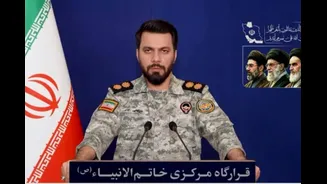
Tehran has already issued clear warnings. The BBC reported Iran’s military warned that oil and energy infrastructure belonging to firms working with the US would “immediately be destroyed” if Kharg’s oil infrastructure were attacked.
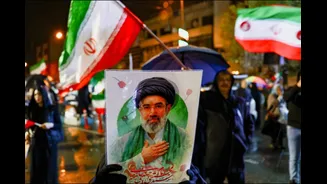
Iranian officials have also threatened wider regional retaliation in the event of a ground invasion. On Wednesday, parliament speaker Mohammad Bagher Ghalibaf warned that an invasion would be answered with “relentless, unceasing attacks” on “all the vital infrastructure” of the regional country that assisted the US operation. Earlier, an Iranian military official told local media that shipping in the Red Sea would be targeted in the event of a ground invasion.
Also, if Trump tries to seize Kharg to force Iran to reopen the Strait of Hormuz, Iran could lay or float more mines to target ships, making the region even more dangerous for shipping.
Iran still has the capacity to launch large numbers of low-cost, high-explosive drones at Gulf Arab neighbours and at shipping vessels. Tehran could potentially expand those targets to include vital infrastructure such as desalination plants that provide drinking water for millions.
The Bottom Line
Kharg Island matters because it is not just another patch of Iranian territory. It is the hub through which most of Iran’s crude exports move, a deep-water oil terminal that helps keep the country’s economy, and by extension the IRGC’s finances, running.
That is why the US has it in its sights. If Washington wants leverage without immediately broadening the war to a full-scale mainland assault, Kharg offers a highly sensitive target. It can be threatened, blockaded or, in the most escalatory scenario under discussion, occupied.
But if the US does seize it, the consequences are unlikely to remain limited to the island.