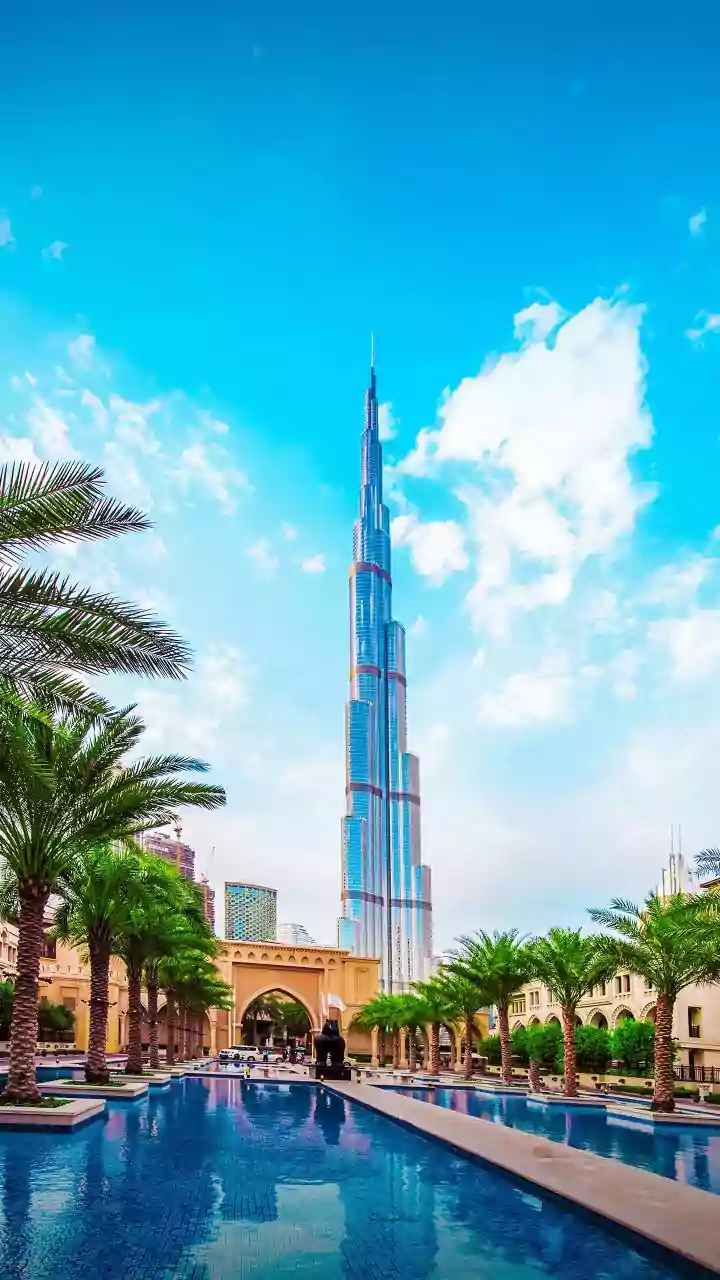








There was a time when luxury travel meant excess, infinity pools overlooking oceans, extravagant buffets, packed itineraries, and experiences designed for constant stimulation. The more exclusive the destination,
the more aspirational it seemed. But a quiet shift is taking place in the world of travel today. Increasingly, travellers are no longer chasing indulgence alone; they are searching for stillness.
The rise of mindful travel reflects something deeper than a passing wellness trend. It mirrors the emotional exhaustion of an overworked, hyperconnected generation that no longer sees vacations merely as status symbols, but as opportunities for emotional recovery. In an age defined by burnout, silence itself has become a luxury.
At meditation retreat space Osho Dham, Ma Dhyan Prachi has witnessed this transformation firsthand. According to the meditation facilitator, the fatigue people carry today extends far beyond the physical. “People are not just tired in their bodies, they are tired in their minds. No luxury experience can cure that particular fatigue,” she says. “What people are discovering is that the deepest nourishment comes not from what we consume, but from what we release.”
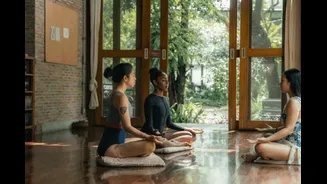
She explains that many visitors arrive at Osho Dham without fully understanding what they are looking for. They simply know that traditional holidays are no longer enough. Instead of packed schedules and endless entertainment, they seek quieter experiences, meditation, nature walks, mindful breathing, and moments of complete presence.
“For decades, luxury meant more, more amenities, more experiences, more stimulation. But today’s traveller is arriving wanting less. Less noise. Less performance. Less proving,” adds Ma Dhyan Prachi.
What travellers increasingly value now are intangible experiences: waking up to birdsong, sitting in silence without distraction, reconnecting with themselves away from digital overload. The souvenirs they carry home are no longer photographs alone, but emotional clarity and stillness.
This evolution in travel behaviour is also reshaping the hospitality industry. According to Sahil Pandita, founder, ProMiller Group, modern consumers are now divided between two extremes, those seeking high-energy escapism and those actively paying for peace.
“While rookies burn themselves out partying in high-energy hubs, discerning, experienced leisure travellers are actively paying for slowness, calm, and genuine human care,” he says. “They loyalize to hotels that actually deliver on making them feel valued.”
Pandita believes the demand for mindful travel is directly linked to the modern burnout cycle. Rather than saving conservatively for the future, many professionals are now spending immediately in search of emotional relief from relentless work culture and urban stress.
“We are seeing a shift where people no longer save like monks; instead, they immediately spend their capital to emotionally recover,” he explains. “The premium in modern hospitality belongs entirely to operators who understand that they aren’t just selling a room, but a necessary sanctuary for emotional repair.”
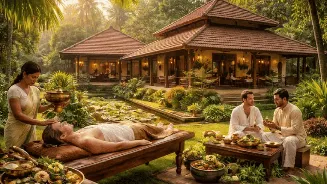
The language of travel itself is changing. Wellness is no longer limited to spa menus or yoga sessions added onto luxury packages. Instead, mindful travel focuses on emotional restoration, spaces that encourage people to slow down, disconnect, and simply exist without pressure.
And perhaps that is why this movement feels far more permanent than a trend. Eventually, even the traveller chasing nightlife and adrenaline reaches a point of exhaustion. As Pandita puts it, “The rookie partier eventually evolves into the exhausted professional, and their final destination is always the same: a craving for silence and presence.”
In a world obsessed with doing more, the future of luxury may ultimately belong to experiences that ask us to do less and feel more.