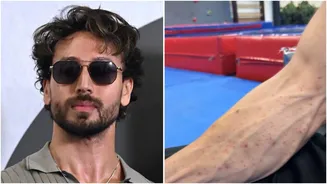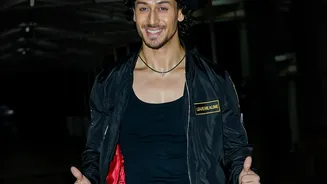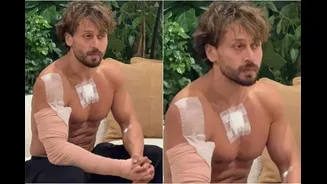






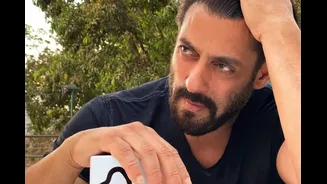
Tiger Shroff was attacked in Mumbai on October 18, when unidentified men opened fire at his car while he was returning home from a football match. Now, the actor’s team has released a video featuring bruises
and pellet marks after the attack, as the investigation into the case continues.
The video shared by the team features a clip of Tiger’s arm covered in bruises and pellet marks. The caption of the video reads, “God is kind 🙏🏻”
Tiger Shroff’s Shooting Incident – All About It
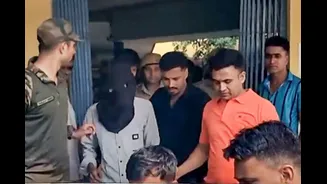
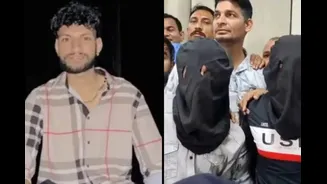
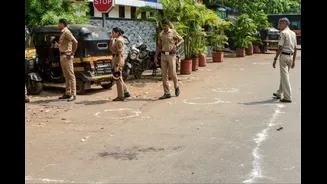
The firing took place near Pushpa Park in Juhu on Sunday, October 18. The actor had reportedly gone to play football and was returning home when the incident took place. According to initial reports, people had gathered in the area to catch a glimpse of the actor when the assailants allegedly opened fire. The other person injured in the incident was an autorickshaw driver, who was taken to Cooper Hospital. A day after the incident, police reportedly arrested the three unidentified men in Kota.
A new twist emerged in the Tiger Shroff firing case, with Lokmat reporting, citing Mumbai Police sources, that the actor may not have been the assailants’ original target. During preliminary interrogation, the accused allegedly revealed that they had travelled to Mumbai to target another prominent person. However, after reportedly struggling to reach their intended target, they allegedly shifted their focus to Tiger Shroff.
The accused reportedly learned through Instagram reels posted by Tiger Shroff’s fans that the actor did not usually have police security around him, making him an easier target. According to sources, the attackers allegedly planned to kill the actor with the intention of spreading fear in Bollywood.
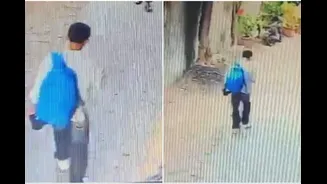
The Mumbai Crime Branch told a court on Wednesday that the firing at Shroff’s car was allegedly carried out at the behest of Anil Pandit, an alleged associate of the Lawrence Bishnoi gang. The accused were reportedly traced through CCTV footage and the tracking of a motorcycle allegedly used in the incident. Defence lawyers opposed police custody, arguing that the accused had already been questioned during transit remand.