






In 2026, the definition of indulgent dining is undergoing a quiet but decisive shift. Restaurants are no longer treating health as a separate category or a menu add-on; instead, it is becoming integral
to how kitchens think, cook, and serve. This change is not driven by trends or dietary fads, but by diners who want food that is flavourful, satisfying, and light enough to enjoy regularly without compromise.
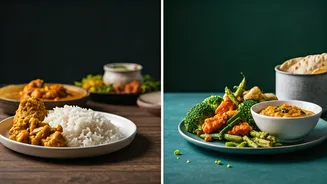
For Mandeep Singh, Managing Director, Arabian Delites, health-first dining is about smarter indulgence rather than restriction. From a restaurant’s perspective, he explains, the focus has shifted to techniques that naturally enhance flavour while keeping excess in check. Grilling—particularly oil-free preparation of proteins like chicken allows the ingredient to shine without relying on heavy fats. Ingredient selection has become far more intentional, favouring fresh vegetables, whole grains, and lean proteins, complemented by house-made marinades built on natural spices rather than processed bases.
Singh notes that even fats are no longer eliminated, but used thoughtfully. Traditional elements like desi ghee are applied in controlled amounts for flavour rather than abundance, while heavy sauces are replaced with lighter, more digestible accompaniments such as yoghurt-based dips, hummus, tahini-style sauces, and herb-forward blends. Portioning, too, is carefully considered meals are designed to nourish without leaving diners feeling weighed down. Together, these changes reflect a broader commitment to offering healthier versions of familiar favourites, where taste and wellbeing comfortably coexist.
This evolution is echoed by Ail Kumar, Co-founder and Chef, Singh Sahib, who sees 2026 as a turning point in how restaurant kitchens operate. Health, he says, is no longer a footnote on the menu but embedded into daily decision-making. Diners are paying closer attention to ingredients, cooking methods, and how food makes them feel long after the meal, pushing restaurants to adopt more responsible practices without sacrificing indulgence.
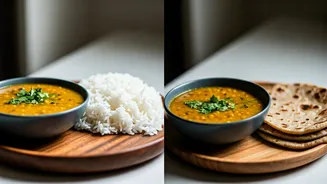
Kumar highlights a clear move towards fresh, seasonal produce, whole grains, lentils, legumes, nuts, seeds, and cleaner proteins. Pre-processed components are steadily being replaced with house-made bases, fresh pastes, natural marinades, and in-house stocks. Oil usage is also becoming more deliberate, with kitchens choosing cold-pressed groundnut, rice bran, mustard, or olive oil, and applying them with restraint. Cooking techniques such as grilling, roasting, steaming, sautéing, and slow cooking are favoured for keeping dishes lighter and easier to digest. Portion balance plays an equally important role, with proteins paired alongside fibre-rich ingredients, reduced reliance on refined sugars and creams, and indulgent classics reworked with cleaner gravies.
For Kumar, this approach also builds trust. Transparency around ingredients and cooking styles encourages repeat visits, as diners feel confident returning to spaces that respect both flavour and health. In his view, health-first dining in 2026 is driven by intention rather than denial, redefining what responsible, future-ready dining looks like.
At Iki and Gai, health-first dining was never a response to a moment. According to Sarthak Batra, Co-founder and Head Mixologist, it was always about recognising how people genuinely want to eat. The focus, he explains, has consistently been on balance, food that feels complete and satisfying, yet easy to return to as part of everyday life rather than reserved for special occasions.
Batra believes that today’s diners are not looking for labels or rigid rules. They want meals that fit seamlessly into their lives, with flavours that feel intentional rather than overwhelming. At Iki & Gai, this translates into cooking with clarity: controlled heat, fermentation, careful seasoning, and techniques that allow ingredients to retain their natural character. Health, in this sense, is not an added feature but an outcome of thoughtful cooking.
Restraint, rather than subtraction, defines indulgence here. When dishes are composed with intention, Batra notes, they become inclusive without explanation, guests do not need to ask for alternatives or modifications. Health also extends beyond the plate, into pacing, atmosphere, and the emotional ease of the dining experience. A calm, grounded meal, he argues, can be as impactful as the ingredients themselves.
If restaurants are being described as health-first in 2026, it is because diners are choosing spaces that align with how they live now. Across kitchens, cuisines, and concepts, the message is consistent: health-first dining is not a trend, but a responsibility. By cooking with intention, sourcing thoughtfully, and serving with balance, restaurants are creating experiences that feel good not just in the moment, but long after the meal ends.