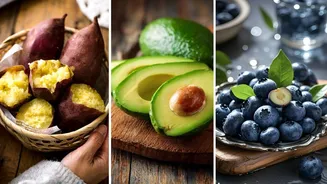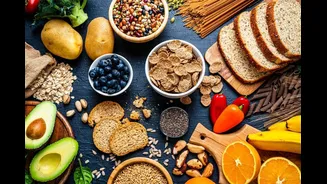



Every few months, a new diet captures public attention, promising effortless solutions to complex health problems. One of the most popular ideas today is that eliminating all oils and consuming only sprouts,
salads, and fruits can prevent chronic diseases for life.
As Dr Ajay Kumar, Chairman, Pan Max Gastroenterology & Hepatology, and HOD, BLK Institute for Digestive & Liver Diseases explains, “As a liver specialist, I meet many patients who attempt these restrictive diets in the hope of achieving perfect health, only to discover that extremes rarely produce the outcomes they expect.”
“The scientific evidence is clear: lasting health comes from balance, not blanket elimination,” says Dr Kumar.
Rethinking the Role of Edible Oils
Let us understand this better through the example of edible oils. Often made an easy scapegoat, oils in our food are frequently portrayed as villains but this is a misconception.
“In reality, healthy oils such as mustard, coconut, and olive provide essential fatty acids and fat-soluble vitamins A, D, E, and K that the body cannot produce on its own,” explains Dr Kumar.
Reviews of various vegetable oils show that each offers distinct advantages and functional nutritional properties, which is why rotating cooking oils is recommended. Removing them completely can lead to nutritional deficiencies that weaken immunity and affect hormone production, cell repair, and nutrient absorption.
As Dr Kumar points out, “Decades of research on dietary patterns, including the Mediterranean diet, show that the inclusion of healthy fats contributes to a lower risk of chronic diseases.”
Dietary Diversity and Gut Health
Changes in farming practices over the last 50 years have reduced agro-diversity, which in turn has impacted dietary diversity.
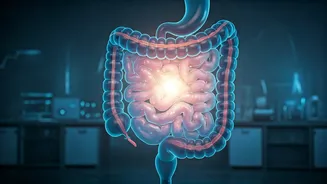
“This matters because dietary diversity directly influences gut diversity,” says Dr Kumar. “Healthy individuals tend to have a rich and varied gut microbiota, the community of microorganisms living in the digestive tract.”
Many common diseases of the 21st century, including type 2 diabetes, obesity, and inflammatory bowel disease, are associated with reduced microbiome richness.
The Role of Antioxidants and Inflammation
Another important aspect of health is inflammation, a key driver of many chronic conditions.
“Oils such as extra-virgin olive oil, sunflower oil, palm oil, and fish oil have been studied extensively for their role in reducing inflammation and supporting disease prevention,” notes Dr Kumar.
Palm oil, in particular, has drawn interest due to its balanced fatty acid profile and the presence of beneficial compounds like tocotrienols and carotenoids.
“Tocotrienols, a form of vitamin E, have strong antioxidant and anti-inflammatory properties that may help protect the liver in several disorders,” explains Dr Kumar. “They work by reducing oxidative stress linked to conditions such as drug-induced liver injury, liver cancer, and gastric lesions.”
Why One-Size-Fits-All Diets Don’t Work
“This is why edible oils need to be evaluated with nuance rather than being labelled as universally good or bad,” says Dr Kumar.
He further adds, “Not all individuals respond to oils in the same way. Some studies, including recent findings on soybean oil, show that responses vary depending on genetics, age, sex, medication use, and variations in a liver protein called HNF4α.”
The body naturally produces different versions of this protein, and the alternative form becomes more prominent during chronic illness or stress. These variations influence how the body metabolises fats, highlighting why dietary advice must respect biological differences rather than follow one-size-fits-all claims.
The One Oil Practice to Avoid
While most edible oils offer their own benefits, there are certain fats that deserve genuine caution.
“Recycled cooking oil, widely used in small restaurants and street food stalls, has been shown to cause extensive tissue damage in long-term animal studies,” warns Dr Ajay Kumar.
“For this reason, avoiding food cooked in repeatedly heated oil is strongly advised,” he adds.
The Bigger Picture: Balance Over Extremes
“Chronic diseases do not develop because of a single food or nutrient,” says Dr Kumar. “They arise from a combination of genetics, environment, lifestyle choices, physical activity, sleep, and overall diet quality.”
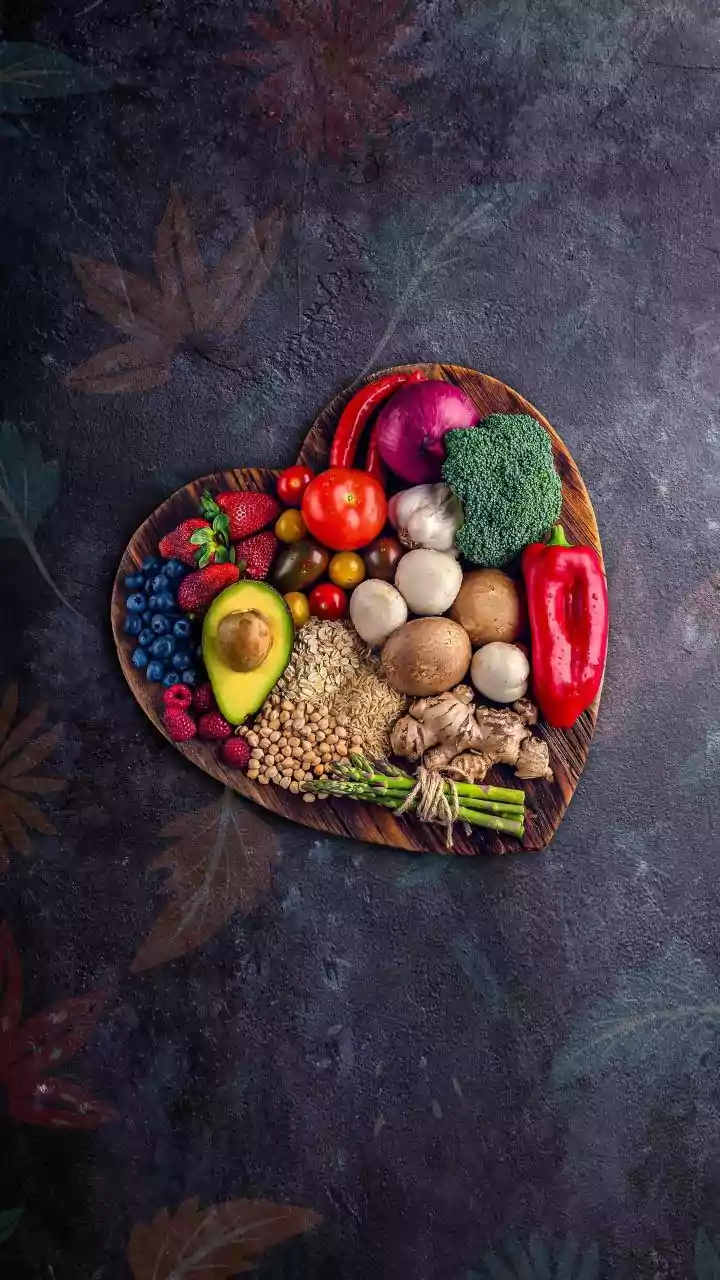
No diet built on extreme restrictions or a narrow group of “superfoods” can guarantee lifelong protection from liver or heart disease.
“What truly supports long-term gut and liver health is a holistic approach built on variety, portion control, and balanced nutrition,” he emphasises.
As a practical tip, Dr Kumar suggests, “If social eating is part of your routine, consider potlucks. They allow you to choose healthier ingredients, control portion sizes, and enjoy a variety of foods while reducing waste.”
With seasonal produce, sunshine, and opportunities for physical activity, small lifestyle shifts can go a long way in supporting overall health.