




For years, most Indians never planned meals around protein. Food was cooked based on habit, taste, budget, and what was available at home. Dal was dal. Milk was milk. Eggs were just eggs. No one counted
grams or checked labels. Protein was not part of daily conversation, and it did not need to be. That began to change slowly.
As lifestyles shifted, work hours got longer, and health conversations moved from doctors to social media, protein started entering everyday language. What was once taken for granted became something people actively talked about. From fitness conversations to family WhatsApp groups, protein moved from being invisible on the plate to becoming a buzzword, as more people began questioning whether their daily diets were getting enough of it.
One of the lesser-known realities of Indian diets is that protein is not necessarily missing, but unevenly distributed across the day. Many everyday meals provide energy and fullness but fall short on protein unless supported by the right additions. The gap often comes from eating patterns rather than lack of access, making small, familiar adjustments far more effective than drastic dietary changes.
Meals that are filling but often low in protein on their own include:
• Breakfast staples like poha, upma, idli, toast, or plain paratha
• Roti-sabzi combinations without curd, dal, paneer, or other protein additions
• Rice-heavy meals where dal or protein portions are minimal
• Bread-based snacks such as sandwiches made without protein fillings
• Common evening snacks like Namkeen
This is why protein balance often depends less on changing the meal itself, and more on what accompanies it whether that is a chicken, a portion of paneer, eggs, pulses, or convenient ready protein options that fit into everyday routines.
Most people focus on protein sources, but timing and distribution play an equally important role. What many people don’t realise:
• The body uses protein better when intake is spread across meals, not concentrated in one meal
• Breakfast is typically the weakest protein meal in Indian diets
• Protein consumed earlier in the day supports sustained energy and reduces hunger later
• Late evening protein intake supports overnight repair and recovery
• Small additions across the day are more effective than one large protein-heavy meal
This means protein is not just about adding new foods, but about strengthening existing meals.
The basic protein numbers people now recognise:
• Roughly 0.8 to 1 gram of protein per kilogram of body weight for most adults
• For those who work out regularly, around body weight multiplied by 2
This is why protein balance often depends less on changing the meal itself, and more on what accompanies it whether that is a chicken, a portion of paneer, eggs, pulses, or convenient ready protein options that fit into everyday routines.
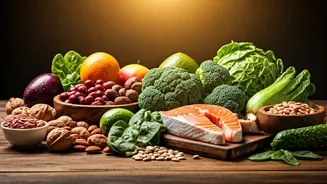
While many foods contain small amounts of protein, only a few qualify as true protein sources foods where protein forms a significant part of their nutritional value. These foods play a central role in helping meet daily needs and are far more efficient than relying on staples where protein is only present in minor quantities. Including even one or two of these in daily meals can make a meaningful difference.
Practical Protein Sources
• 100 g cooked chicken → ~25–27g protein
• 2 whole eggs → ~12g protein
• 100 g paneer → ~18g protein
• 1 bowl Greek yogurt / hung curd (200 g) → ~15–18g protein
• Prawns (100 g) – 23–24 grams protein
• 100 g tofu → ~10–15g protein
• 1 bowl cooked dal (200 g) → ~12–14g protein
• 50 g soy chunks (dry weight) → ~25g protein
• 1 glass milk (250 ml) → ~8g protein
Unconventional Protein Source
• Edamame (soyabean phali ) – 11 grams protein per 100 grams
• Amarantha ( Rajgira) (100g) – ~13–14 grams protein
• Green Peas (100g) – 5 g protein
• Sardines (100g) – 24–25 grams protein
• Godrej Yummiez Chicken Nuggets (100g) – 16 Gram Protein