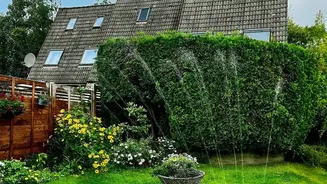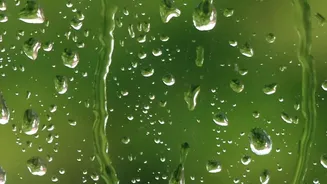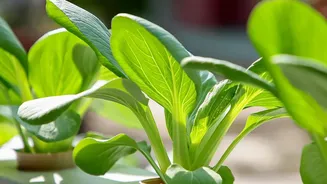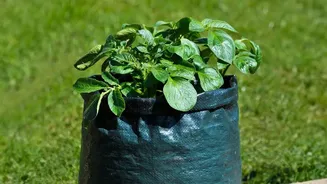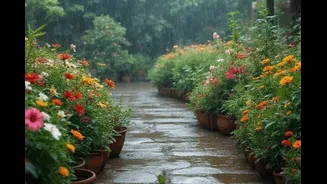








The arrival of the monsoon brings cooler temperatures, fresh air and much-needed rainfall that helps gardens flourish. While the rainy season provides natural hydration for plants, excessive rainfall can
also create challenges such as waterlogging, fungal diseases, root rot, pest infestations and nutrient loss. Without proper care, even healthy plants may struggle to survive prolonged wet conditions.
Whether you have a balcony garden, terrace planters, indoor plants or a backyard landscape, adopting the right gardening practices during the monsoon can make all the difference. Dr Mukesh Kwatra, Founder of Smiling Tree, shares 10 simple yet effective tips to help your plants stay healthy and vibrant throughout the rainy season.
1. Ensure Proper Drainage
Good drainage is the most important factor in monsoon gardening. Standing water deprives roots of oxygen, leading to root rot and stunted growth. Ensure that pots have sufficient drainage holes and remove any blockages that prevent excess water from flowing out. In outdoor gardens, create small channels to allow rainwater to drain away naturally.
2. Avoid Overwatering
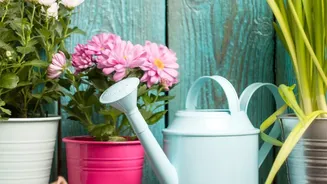
Many gardeners continue watering plants out of habit, even when the soil is already saturated. Before watering, check the soil moisture by inserting your finger a few centimetres below the surface. Water only when necessary to avoid oversaturation.
3. Remove Dead and Diseased Leaves
High humidity encourages fungal infections that spread rapidly through damaged leaves and stems. Regularly inspect your plants and prune yellow, wilted or infected foliage. This improves air circulation and reduces the risk of disease spreading to healthy growth.
4. Watch for Fungal Diseases
Powdery mildew, leaf spot and other fungal diseases become common during the rainy season. Look for unusual white, black or brown patches on the leaves and remove affected areas immediately. Keeping plants properly spaced also improves ventilation and helps reduce excess moisture around the foliage.
5. Protect Delicate Plants
Some flowering and ornamental plants cannot tolerate continuous heavy rainfall. Move potted plants to covered balconies, verandas or shaded areas during periods of intense rain. Temporary protective covers can also help prevent damage from strong winds.
6. Use Organic Mulch Wisely
A thin layer of organic mulch, such as dried leaves, bark or compost, helps conserve nutrients, prevents soil erosion and regulates soil temperature. However, avoid placing mulch directly against the plant stem, as excessive moisture can encourage fungal growth.
7. Keep Pests Under Control
The monsoon creates favourable conditions for snails, slugs, caterpillars, aphids and mosquitoes. Inspect your plants regularly for signs of pest activity and remove them before infestations become severe. Natural pest-control methods, including neem-based solutions and manual removal, are effective and environmentally friendly.
8. Support Tall and Young Plants
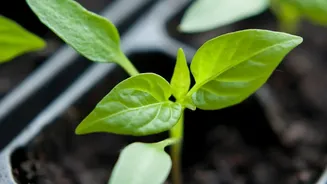
Heavy rain and strong winds can bend or break tender stems. Use bamboo stakes, plant ties or other supports to keep taller plants upright and protect young saplings from physical damage.
9. Feed Plants Carefully
Frequent rain can wash nutrients out of the soil. Instead of applying excessive chemical fertilisers, use organic compost or slow-release fertilisers that nourish plants gradually. Avoid fertilising during heavy downpours, as nutrients may be lost before plants can absorb them.
10. Choose Native and Rain-Friendly Plants
Native plant species are naturally adapted to local climate and rainfall patterns. They generally require less maintenance, resist diseases better, and support birds, butterflies, bees and other beneficial wildlife. Selecting region-appropriate plants helps create a more sustainable and resilient garden.
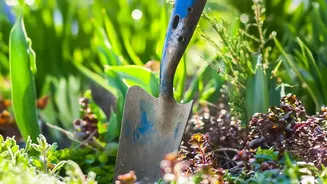
Beyond these practices, regular observation is essential. Check your plants every few days for signs of stress, remove weeds that compete for nutrients and keep garden tools clean to prevent the spread of disease. Healthy soil, adequate airflow and timely maintenance are the foundations of successful monsoon gardening.
The rainy season offers the perfect opportunity to grow trees, flowering plants, herbs and vegetables. With thoughtful planning and consistent care, gardeners can turn the challenges of heavy rainfall into an advantage. By ensuring proper drainage, preventing disease, managing pests and choosing suitable plant varieties, your garden can remain lush, colourful and healthy throughout the monsoon while helping create a greener, healthier and more sustainable environment.