






Heavy monsoon rains and a sharp rise in H1N1 influenza cases are simultaneously disrupting travel across India, creating dual challenges for domestic and international visitors this season.
Delhi is facing
intense rainfall, with the IMD issuing a red alert as waterlogging and severe weather affected movement across the capital. Air travel has also been impacted, while road journeys have become increasingly difficult in rain-hit areas. Concurrently, H1N1 and Influenza-A cases have surged: Delhi recorded over 2,400 H1N1 and more than 3,100 total Influenza-A cases this year; Karnataka logged 4,212 laboratory-confirmed influenza cases by late August; Kerala noted 7,421 infections and 88 deaths, with spikes also in Maharashtra, Mumbai and West Bengal.
These twin pressures of flooded roads, delayed flights and circulating seasonal flu demand heightened awareness from travellers navigating airports, stations and crowded tourist sites, without requiring cancellation of plans if basic precautions are followed.

What Travellers Need To Know
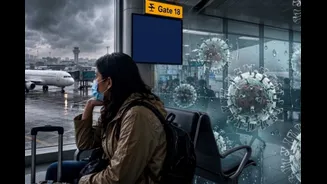
When heavy rain disrupts flight schedules, travellers can end up spending hours inside packed airport terminals. Delhi’s recent weather alert has already affected air travel, while passengers have also faced difficult road conditions on their way to and from airports.
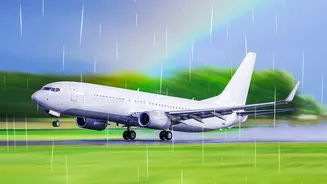
Persistent rainfall triggered an IMD red alert for Delhi after waterlogging on 24 August 2026, with warnings of thunderstorms, lightning and gusty winds of 30-40 kmph. Multiple flights to and from the capital were cancelled on 25 August, including services to Leh, Ayodhya, Srinagar, Dharamshala, Mumbai and Cochin.
IndiGo and other airlines issued advisories urging passengers to check status via apps or websites and allow extra travel time due to slower traffic. Similar very heavy rain has affected East Uttar Pradesh, Jharkhand, Chhattisgarh, Odisha, Meghalaya, South Interior Karnataka and Kerala, compounding road and air connectivity issues nationwide.
H1N1, now a seasonal Influenza A strain (A(H1N1)pdm09), has seen notable increases. Delhi authorities recorded over 2,400 H1N1 cases and more than 3,100 total Influenza-A infections this year, prompting local health advisories. Karnataka reported 4,212 laboratory-confirmed influenza cases across districts by late August. Kerala registered 7,421 influenza infections and 88 deaths.
Maharashtra, Mumbai and West Bengal have also experienced seasonal spikes compared with previous years. The virus spreads primarily through respiratory droplets in crowded, poorly ventilated spaces such as airports, metro trains, buses and tourist attractions, precisely the environments travellers frequent.
This matters during a rise in seasonal influenza because H1N1 spreads mainly through respiratory particles, particularly when people spend prolonged periods in close contact. Airports, railway stations, Metro coaches and crowded waiting areas can therefore become settings where travellers should be more mindful of respiratory hygiene.
Should You Cancel Your Travel Plans?
The rise in cases does not automatically mean another pandemic or that travel needs to stop. H1N1 is now part of the seasonal influenza viruses that continue to circulate, and recent health assessments have indicated that there is no new H1N1 strain causing the current rise.
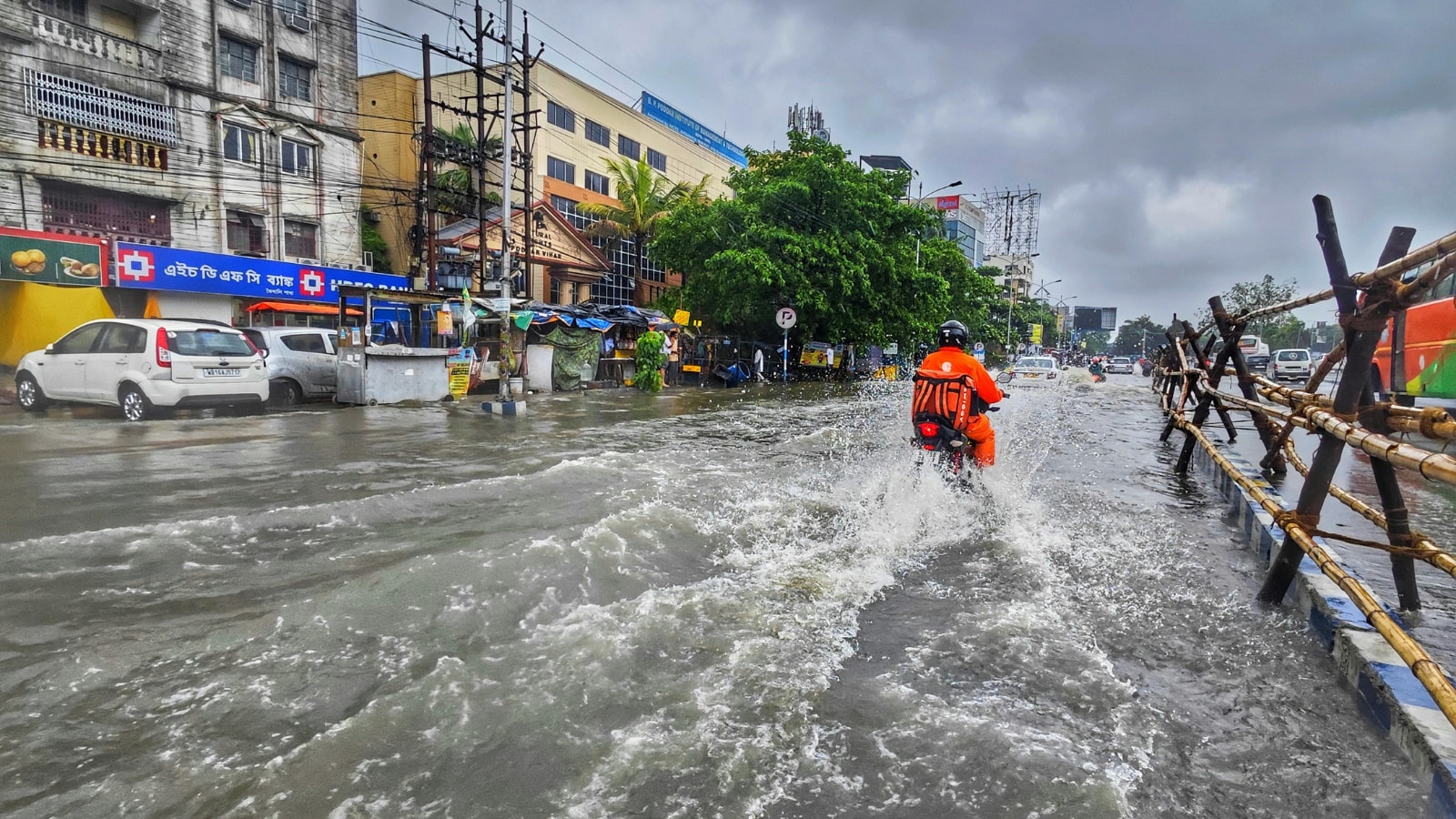
Similarly, a delayed flight is frustrating especially after hours spent travelling through waterlogged roads is something else altogether. Rain-related disruptions can extend travel time significantly, leaving passengers tired, dehydrated and potentially stuck in crowded spaces for longer than planned.
Karnataka’s health authorities have also described the current increase as part of a seasonal pattern, with influenza typically seeing a monsoon-linked rise between July and September. The state recorded 4,212 laboratory-confirmed cases up to August 22, although officials said this was lower than the number reported during the same period last year.
For those already feeling unwell, a stressful journey may also make it harder to manage symptoms. Travellers experiencing fever, cough, sore throat, body aches or significant fatigue should take their symptoms seriously rather than simply pushing through the itinerary.
Practical Precautions for Safer Travel
Travellers heading out during this period should keep an umbrella or raincoat handy, but a basic health kit can be equally useful. Hand sanitiser, tissues, prescribed medicines and a well-fitting mask can come in handy, especially during long waits in crowded or poorly ventilated spaces.
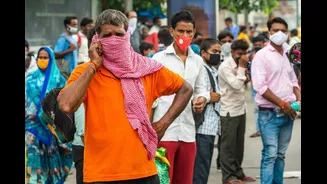
Masks are not necessary everywhere simply because H1N1 cases are rising. However, they can offer an additional layer of protection in packed public transport, hospitals and crowded indoor areas. People with flu-like symptoms should also avoid close contact with others where possible.
Older adults, young children, pregnant women and people with underlying health conditions may need to be particularly careful, as influenza can lead to more serious complications in higher-risk groups.
Annual influenza vaccination remains recommended for eligible groups. Symptoms such as sudden fever, dry cough, sore throat, body aches, headache, chills and fatigue warrant rest and medical attention if severe—particularly difficulty breathing, high fever or confusion.
Monitor IMD updates and airline notifications before departure, build buffer time into schedules, and prioritise hygiene in high-contact zones. With these measures, the combination of monsoon rains and elevated H1N1 activity becomes manageable rather than prohibitive, allowing travellers to continue exploring India’s destinations while minimising personal and community risk.