




Karwa Chauth is one of the most widely observed Hindu festivals among married women, who traditionally observe a fast from sunrise to moonrise and pray for their husbands’ well-being and longevity.
This
year, Karwa Chauth falls on October 29, with the day marked by rituals, prayers, festive attire and the much-awaited evening moonrise. After hours without food or water, breaking the fast becomes an important part of the celebration, often followed by a special meal with family.
While festive delicacies are part of the celebration, eating too much too quickly may leave you feeling bloated, nauseated or uncomfortable.
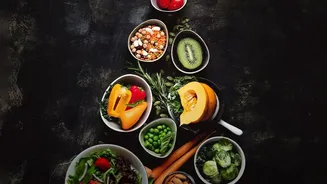
Nutrition guidance recommends starting with water, eating slowly and choosing a balanced meal rather than treating the first meal after fasting as a feast. Here are four foods to limit when breaking your fast.
1. Deep-Fried Foods
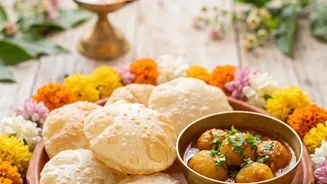
Samosas, pakoras, puris and other fried favourites may be tempting after a long day without food. However, meals high in fat can feel heavy and may trigger indigestion, acidity or bloating in some people, particularly when eaten in large quantities.
Instead, begin with a modest portion of food and follow it with a balanced meal containing vegetables and a source of protein.
2. Very Spicy Foods
If your stomach feels sensitive after fasting, heavily spiced curries, spicy chutneys and chilli-laden snacks may aggravate heartburn or acid reflux, especially if you are prone to these problems.
You do not need to avoid all spices. A home-cooked meal with moderate seasoning may be more comfortable than a particularly spicy or oily feast.
3. Sugary Sweets And Desserts
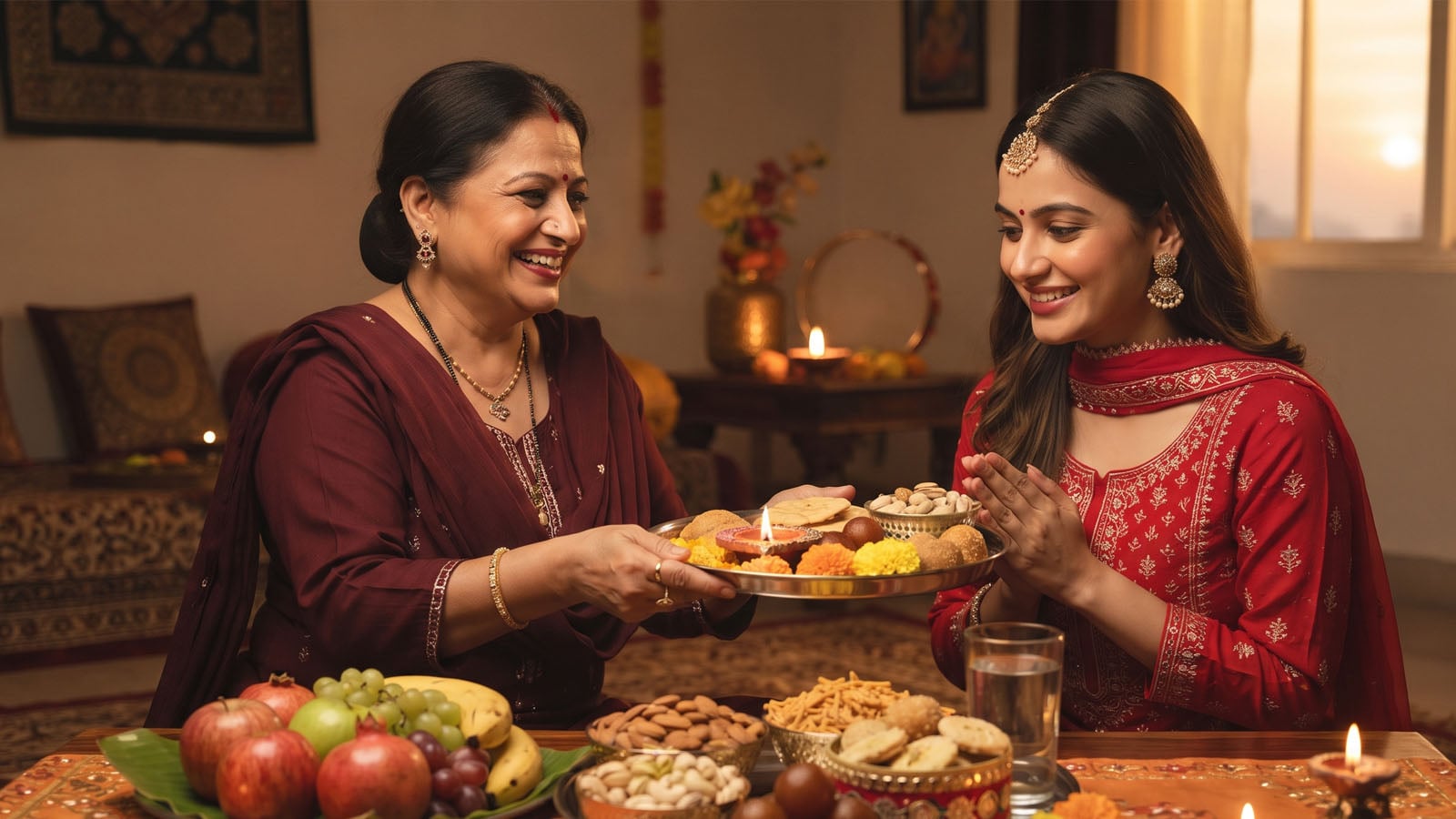
Gulab jamun, jalebi, laddoos and other festive treats are difficult to resist during Karwa Chauth. However, consuming a large amount of sugar on an empty stomach is not the best way to resume eating, particularly for people managing diabetes or blood glucose fluctuations.
Enjoy a small portion if you wish, but avoid making sweets the main part of your first meal. Pairing your meal with protein, fibre and other nutritious foods can help make it more balanced.
4. An Excessively Heavy Meal
A large dinner combining rich gravies, several breads, fried snacks and desserts can leave you feeling uncomfortably full. After fasting, hunger may make it harder to judge portion sizes, encouraging you to eat more than you need.
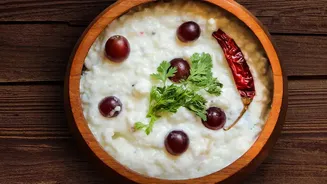
Start with water, drinking slowly rather than gulping down a large quantity at once. Then have a moderate portion of a balanced meal, such as dal, roti and cooked vegetables or khichdi with curd, according to your dietary needs.