






Tensions in the Gulf escalated sharply on Tuesday night after Iran launched a fresh wave of missiles targeting American military bases in the region.
Kuwait’s Al Salem Air Base and Bahrain’s Isa Air Base were
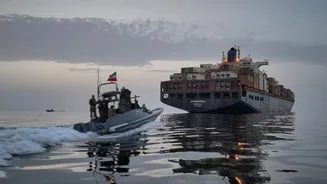
targeted following what Tehran described as “hostile actions” by the United States in the Persian Gulf, the Strait of Hormuz and near Qeshm Island.
Kuwait under attack of ballistic missiles by the Islamic Republic of Iran as the IRGC and US clash in Hormuz pic.twitter.com/L1Mm3GVLIU
— Emily Schrader – אמילי שריידר امیلی شریدر (@emilykschrader) June 2, 2026
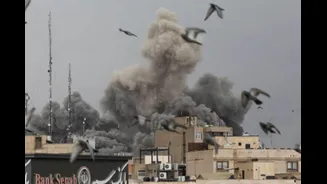
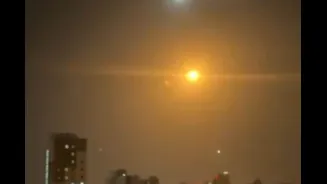
Multiple loud explosions were reported in Kuwait as air defence systems were activated.
Videos circulating on social media appeared to show interceptor missiles being launched from MIM-104 Patriot air-defence batteries into the night sky as the US and its allied forces attempted to counter the incoming Iranian missile threat.
Air raid sirens were also reported in Bahrain amid fears of a wider missile threat. Residents in Erbil, Iraq, also reported receiving alerts as regional militaries monitored the situation.
Time Of Hit And Run Is Over: IRGC
The Islamic Revolutionary Guard Corps (IRGC) said on Tuesday it carried out “precise and concentrated missile strikes” in response to what it described as a US attack on Iran’s Qeshm Island.
“Any new folly, any further aggression, or any move that even touches an inch of our borders and sovereignty will be met with a seismic, crushing, and decisive response that will go beyond the usual rules and boundaries, and our brave forces will not hesitate to turn all aggressors’ bases and their interests in the region into ashes,” the statement said.
“The time of “hit and run” is over, and the oppressive forces must accept the grave consequences of their ignorance and reckless adventurism,” it added.
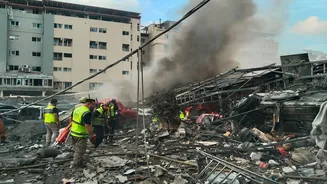
Following the missile attack, Kuwait’s Ministry of Defence urged residents to stay away from any debris, shrapnel or unidentified objects that may have fallen as a result of air-defence interceptions, warning that such remnants could pose a serious threat to public safety.
The ministry advised citizens and residents to immediately report any suspicious objects or missile fragments to emergency services by calling 112 or informing the relevant authorities.
Also Read | Iran Strikes US Bases In Bahrain, Kuwait; Trump Fails To Stop Israel-Hezbollah Fighting | Top Points
US Says Iranian Missiles Failed To Hit Targets
U.S. Central Command said US forces successfully defeated multiple Iranian ballistic missiles and drones, and conducted self-defence strikes on Qeshm Island in response to attempted attacks by Iran across the Middle East.
“Iran launched several ballistic missiles toward regional neighbors; however, all failed to hit their intended targets. Two Iranian missiles fired at Kuwait fell short or broke apart enroute, and three missiles launched at Bahrain were immediately intercepted by U.S. and Bahrain air defense forces,” it said in a post on X.
Third Iranian Attack On Kuwait In A Week
The latest missile barrage marks the third Iranian attack targeting US military facilities in Kuwait in a week.
The first strike occurred on May 29, when an Iranian Fateh-110 ballistic missile targeted the Ali Al Salem Air Base. While Kuwaiti air defences intercepted part of the attack, falling debris reportedly injured five personnel, including US service members, and destroyed an American MQ-9 Reaper drone valued at approximately $30 million. Iran’s Islamic Revolutionary Guard Corps (IRGC) said the strike was retaliation for the downing of Iranian assets over the Strait of Hormuz earlier that week.
A second attack followed on June 1, when Iran launched a large-scale overnight barrage of ballistic missiles and kamikaze drones. US Central Command (CENTCOM) said American forces intercepted two ballistic missiles aimed at facilities housing US and allied troops, preventing casualties.
Iranian state media later broadcast footage of the launches, portraying the attack as a response to US strikes on IRGC radar installations and drone command-and-control centres on Qeshm Island.
The latest strikes suggest a continuing cycle of retaliation between Tehran and Washington, with military installations across the Gulf increasingly becoming focal points of the confrontation.
US Strikes Vessel Near Iran Port
The Iranian missile strikes came hours after US forces intercepted and disabled a commercial vessel that was allegedly attempting to reach an Iranian port in violation of Washington’s maritime blockade.
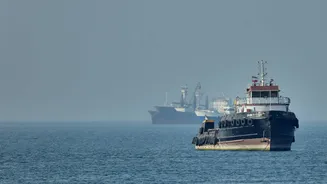
According to the US military, the Botswana-flagged tanker M/T Lexie was sailing towards Kharg Island when it repeatedly ignored warnings and failed to comply with instructions issued by US forces over a 24-hour period.
US Central Command (CENTCOM) said a US aircraft ultimately disabled the vessel by firing a Hellfire missile into its engine room, preventing it from reaching Iranian waters.
The incident marks the latest enforcement action under the US blockade of maritime traffic entering and exiting Iranian ports, which was imposed on April 13.
CENTCOM said US forces have so far disabled six commercial vessels and redirected 122 others accused of violating the blockade, even as a fragile ceasefire with Iran remains in place.