








Maha Shivaratri Fasting Rules: Maha Shivaratri is one of the most important festivals for devotees of Lord Shiva. People across India observe it with devotion, fasting, and night-long prayers. This year,
Maha Shivaratri falls on February 16, according to Drik Panchang. Temples and homes will be filled with chants, lamps, and offerings to Lord Shiva and Maa Parvati.
ALSO READ: Maha Shivaratri 2026: Date, Muhurat, Puja Rituals, Prahar Time, And Wishes
The festival is linked to the lunar calendar and is observed on the 14th day of the dark fortnight in the month of Phalguna or Magha, just before the new moon. While the naming of the month differs in North and South India, devotees in both regions celebrate Maha Shivaratri on the same day with similar faith and rituals.
Maha Shivaratri 2026: Fasting Rules
Many people observe a strict nirjala vrat, which means fasting without even drinking water. Some prefer a lighter fast where they consume specific foods. Devotees usually prepare themselves a day before by eating a simple meal and keeping their minds calm for worship.
ALSO READ: Maha Shivaratri 2026 Puja Vidhi: Step-By-Step Rituals For Home And Temple
On the day of Shivaratri, people wake up early, take a bath, and wear clean or new clothes before beginning their prayers. The night holds special importance, and many devotees stay awake to perform Shiva puja. Some perform the puja once, while others follow the tradition of worshipping Lord Shiva in four different time periods during the night.
Maha Shivaratri 2026 Fasting Rules: What to Eat And What to Avoid
What To Eat
- During the fast, devotees are advised to eat only satvik foods.
- This includes fruits, milk, yogurt, paneer, and certain root vegetables like potato or sweet potato.
- These foods are believed to keep the body light and pure for worship.
What To Avoid
- Grains and legumes such as rice, wheat, dal, and pulses should be avoided.
- While coconut can be offered to Lord Shiva, coconut water should not be used as an offering.
- During Maha Shivaratri, Devotees are also advised not to consume food that has already been offered to the deity, as it is considered inauspicious.
- Drinking too much tea or coffee is not recommended because it can cause dehydration.
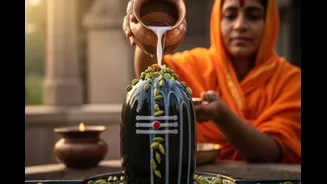
- During the puja, devotees should avoid using kumkum and instead use sandalwood paste.
- Flowers like kevada and champa should not be offered to Lord Shiva, as they are believed to be unsuitable for this worship.
Maha Shivaratri 2026: Parana Time
As per Drik Panchang, the Nishita Kaal Puja time begins at 12:09 AM on February 16 and ends at 01:01 AM. The Parana time, when devotees can break their fast, is from 06:59 AM to 03:24 PM on February 16.
Meanwhile, the Chaturdashi Tithi begins at 05:04 PM on February 15 and ends at 05:34 PM on February 16. Devotees follow these timings carefully to complete their fast and rituals with devotion.