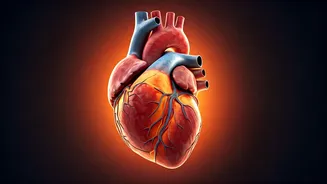









As temperatures continue to soar across India, doctors are warning that heatwaves can silently put immense stress on the heart, especially among older adults and people living with hypertension, diabetes,
obesity, or pre-existing cardiovascular conditions. From dehydration and blood pressure fluctuations to heat exhaustion and cardiac emergencies, extreme summer heat can significantly impact heart health if precautions are ignored.
Why Heatwaves Are Dangerous For The Heart
According to Dr Manas Chatterjee, Senior Consultant Physician, Kailash Hospital, Noida, rising temperatures force the body to work harder to regulate its internal temperature. “When temperatures rise, the body increases blood flow to the skin and sweats more to cool down. This leads to fluid and electrolyte loss, reducing blood volume and forcing the heart to pump harder,” he explains.
The added strain may trigger fatigue, palpitations, blood-pressure fluctuations, and, in severe cases, serious cardiac complications.
Dr. Amit Bhushan Sharma, Director & Unit Head, Interventional Cardiology, Paras Health, Gurugram, also highlights how excessive sweating during heatwaves can rapidly deplete the body of fluids and essential salts. “The heart has to work harder to maintain body temperature and circulation, increasing the risk of palpitations, chest discomfort, heat exhaustion, and even heart attacks,” he says.
Who Needs To Be Extra Careful?
Doctors say elderly individuals and people with underlying medical conditions face a significantly higher risk during extreme summer conditions.
Dr Sumit Aggarwal, Director & Head – Internal Medicine at Sarvodaya Hospital, Faridabad, explains, “When it is extremely hot outside, the body works very hard to cool itself down, making the heart beat faster. This can increase the risk of dehydration, blood pressure changes, and serious heart issues.”
Individuals with hypertension, diabetes, obesity, or existing heart disease should remain especially cautious during heatwave periods.
Hydration Is Key
Experts stress that staying hydrated is one of the most important ways to protect heart health during extreme heat.
Dr Chatterjee advises people to sip water consistently throughout the day instead of waiting to feel thirsty. He also recommends low-sugar electrolyte drinks for individuals who sweat excessively, as these help replenish lost salts and minerals.
Doctors also suggest avoiding caffeinated or sugary beverages in excess, as they may worsen dehydration.
Avoid Peak Heat And Dress Smartly
To reduce heat stress, doctors recommend staying indoors during peak afternoon hours and scheduling outdoor activities during cooler parts of the day.
Wearing loose, light-coloured, and breathable clothing can help improve airflow and minimise heat absorption. Using fans, air-conditioning, cool showers, and simple cooling measures at home, such as closing curtains during midday can also help regulate body temperature.
Diet Matters More Than You Think
A balanced summer diet can play an important role in maintaining both hydration and heart health.
Doctors recommend consuming lighter meals rich in fruits, vegetables, whole grains, and water-rich foods. Heavy, oily, salty, or fried foods should be minimised, as they increase metabolic heat and thirst.
Dr Chatterjee also advises limiting eating out during peak summer months due to the increased risk of food contamination and food poisoning, which can further worsen dehydration and place additional stress on the heart.
Never Ignore Warning Signs
Cardiologists caution against stopping or altering prescribed heart or blood-pressure medications without consulting a doctor, as some medications can affect fluid balance and heat tolerance.
Doctors urge people to seek immediate medical attention if they experience chest pain, severe breathlessness, fainting, confusion, dizziness, swelling, unusual fatigue, or rapid palpitations.
Small Precautions Can Prevent Big Emergencies
As heatwave conditions become more frequent and intense each year, doctors emphasise that simple lifestyle precautions can significantly reduce the risk of heat-related heart complications.
For high-risk individuals, consulting a doctor before the peak summer season may help prevent serious cardiovascular emergencies and ensure safer management of existing health conditions.