




The European Union Aviation Safety Agency (EASA) has extended its recommendation for airlines to avoid flying through the airspace of Iran and Iraq until August 31, citing renewed military hostilities
between the United States and Iran that have significantly increased risks to commercial aviation.
The latest Conflict Zone Information Bulletin (CZIB) replaces an earlier advisory that was due to expire on July 8. While the previous warning also covered Lebanon and urged caution over parts of the Gulf region, including Bahrain, Kuwait, Israel, Jordan, Qatar, Oman, the UAE and Saudi Arabia, the updated guidance specifically extends the no-fly recommendation over Iran and Iraq as fighting intensifies.
The move comes amid a sharp deterioration in the security situation after the United States launched fresh military strikes on Iran following attacks on commercial vessels in the Strait of Hormuz, one of the world’s busiest energy shipping routes.
Trump Says Ceasefire Is ‘Over’
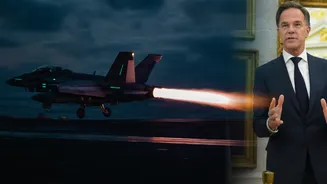
The aviation warning came on the heels of US President Donald Trump’s declaration that the ceasefire with Iran had effectively collapsed.
“As far as I’m concerned, it’s over,” Trump said while attending the NATO summit in Ankara, accusing Tehran of acting in bad faith following the latest round of military exchanges.
Fresh Round Of Military Strikes
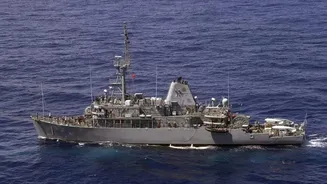
According to the US military, more than 80 Iranian targets were struck, including air defence systems, coastal radar installations and dozens of Islamic Revolutionary Guard Corps (IRGC) vessels operating near the Strait of Hormuz.
US Central Command (CENTCOM) said the objective was to degrade Iran’s ability to threaten international maritime trade passing through the strategic waterway.
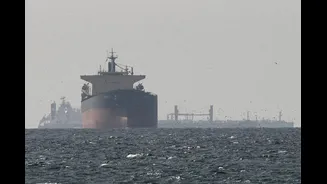
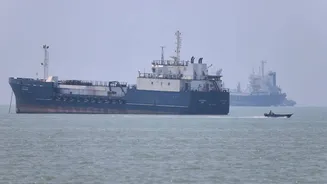
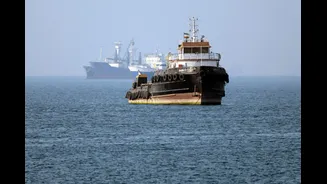
The military action followed attacks on three commercial vessels—the Marshall Islands-flagged Al Rekayyat, Saudi Arabia-flagged Wedyan and Liberia-flagged Cyprus Prosperity—near Oman. British maritime security agency UKMTO said one tanker caught fire after being hit by an unidentified projectile, while at least one other vessel was reportedly struck by a drone.
Iran Retaliates, Warns US Allies
Iran responded by launching strikes targeting US military facilities in Bahrain and Kuwait, according to the Islamic Revolutionary Guard Corps (IRGC).
Tehran also issued a broader warning, declaring that any country or facility facilitating US military operations against Iran would be considered a “legitimate target” by its armed forces.
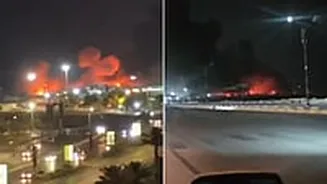
Iranian state media reported multiple explosions around key locations near the Strait of Hormuz, including Qeshm Island, Sirik and Bandar Abbas, underscoring the widening scope of the confrontation.
Peace Talks Under Pressure
The renewed fighting has cast fresh uncertainty over ongoing diplomatic efforts between Washington and Tehran.
The United States also revoked a temporary sanctions waiver that had allowed limited Iranian oil exports through August, further increasing economic pressure on Tehran.
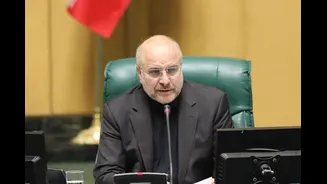
Iranian negotiator Mohammad Bagher Ghalibaf accused Washington of violating the memorandum of understanding reached after last month’s ceasefire by reinstating sanctions and launching new military attacks.
Despite the escalation, US officials have maintained that negotiations toward a broader agreement remain open, while insisting that any sanctions relief will depend on Iran’s future conduct.