

Winter is one of the most rewarding seasons to plan a wildlife safari in India. As temperatures dip and dense vegetation begins to thin out in several forest regions, spotting animals near water bodies
and open grasslands can become easier. For wildlife enthusiasts, this is an opportunity to explore India’s national parks, track big cats and experience the country’s diverse forest landscapes.
From the tiger-rich forests of Madhya Pradesh to the leopard territories of Rajasthan, India offers several safari destinations worth adding to your winter travel list. However, sightings are never guaranteed, and every safari brings a different experience depending on the season, habitat and animal movement.
Here are five wildlife destinations to consider for your next winter escape.
1. Ranthambore National Park, Rajasthan
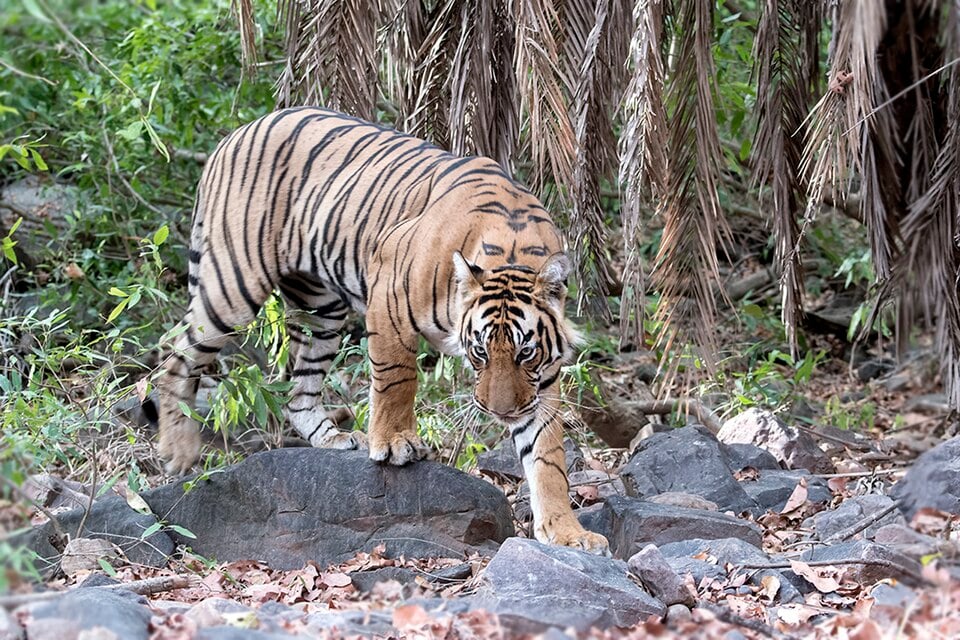
Best for: Bengal tigers, leopards and wildlife photography.
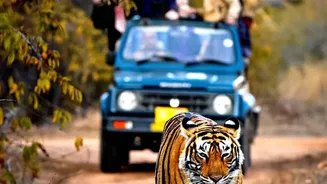
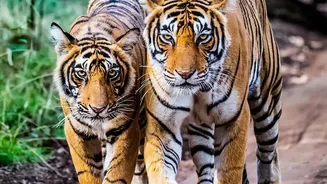
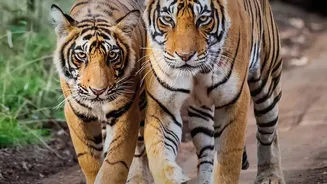
Ranthambore National Park is among India’s most popular tiger reserves, known for its dry deciduous forests, rocky hills, lakes and ancient ruins. Apart from Royal Bengal Tigers, visitors may encounter leopards, sloth bears, sambar deer, crocodiles and several bird species.
November to February offers comfortable weather for safari drives. Travellers can also combine their wildlife holiday with a visit to the historic Ranthambore Fort.
Travel tip: Book safari permits in advance, particularly for December and January, when demand is high.
2. Jim Corbett National Park, Uttarakhand
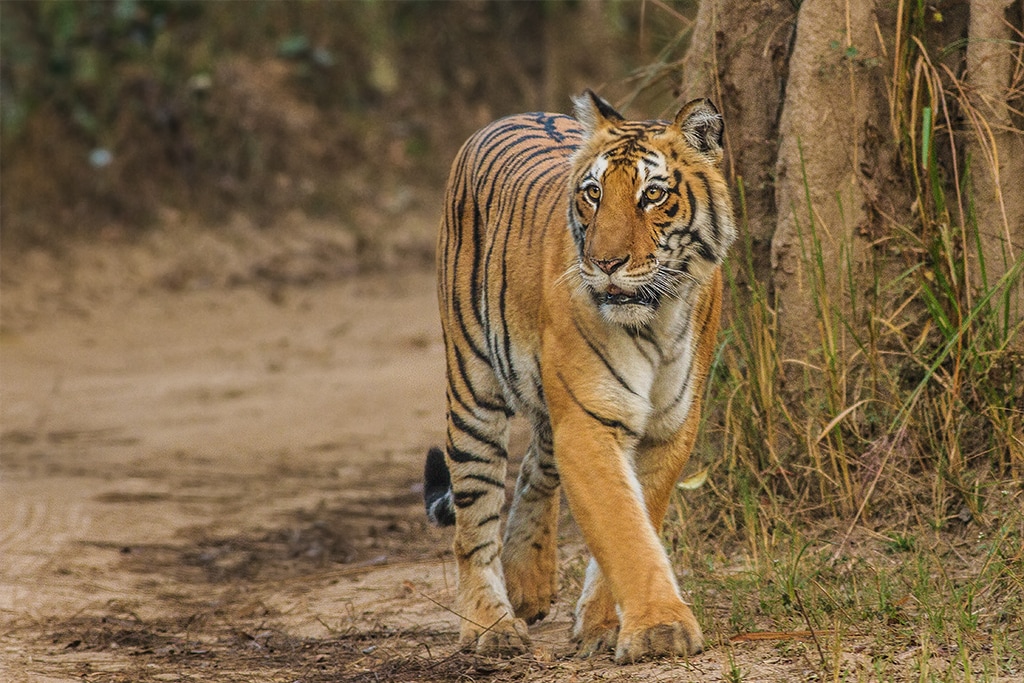
Best for: Tigers, elephants and migratory birds.
India’s oldest national park, Jim Corbett offers a mix of sal forests, grasslands, riverbeds and mountainous landscapes. Its diverse ecosystem supports Bengal tigers, Asian elephants, leopards, deer and hundreds of bird species.
Winter is particularly appealing for birdwatchers, as migratory birds arrive in the region. The Ramganga River and surrounding forest landscapes also make this a rewarding destination for nature photography.
Travel tip: Check the availability and operating schedules of safari zones such as Bijrani, Jhirna, Dhela and Dhikala before booking.
3. Kaziranga National Park, Assam
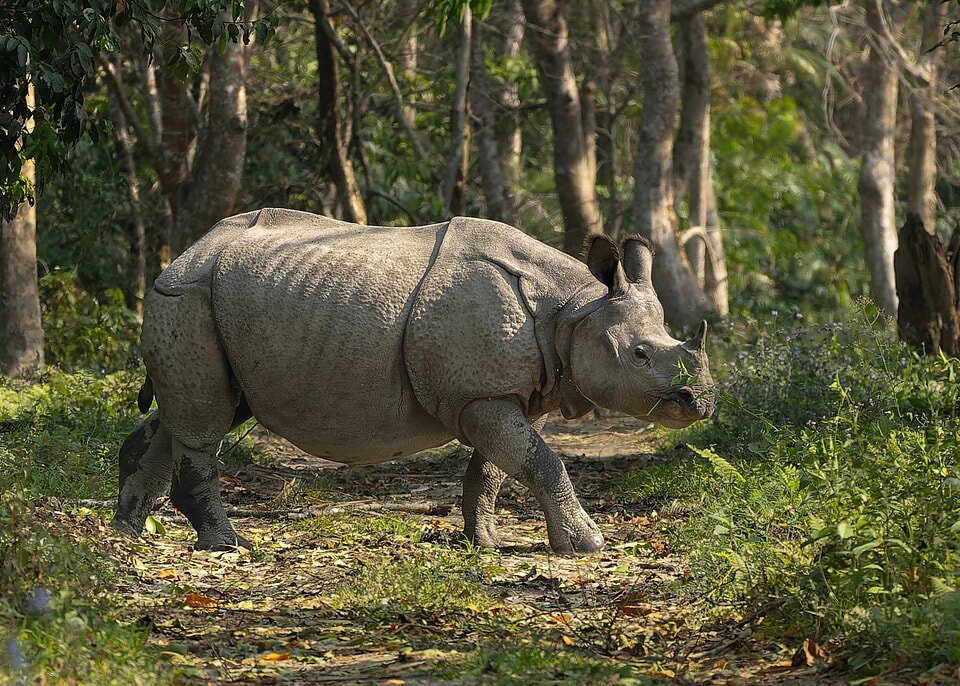
Best for: One-horned rhinoceroses, elephants and birdwatching.
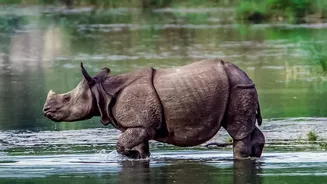
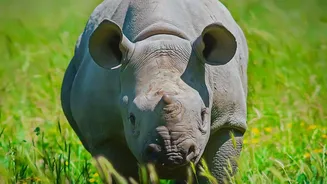
A UNESCO World Heritage Site, Kaziranga is globally recognised for its population of greater one-horned rhinoceroses. Its grasslands, wetlands, marshes and riverine forests support several other species, including wild elephants, swamp deer, wild water buffalo and Bengal tigers.
November to February is a popular period to explore the park, with relatively pleasant weather and opportunities to spot migratory birds.
Travel tip: Consider booking more than one safari to explore different parts of the park. Jeep safaris and other experiences are subject to seasonal regulations and availability.
4. Jawai, Rajasthan
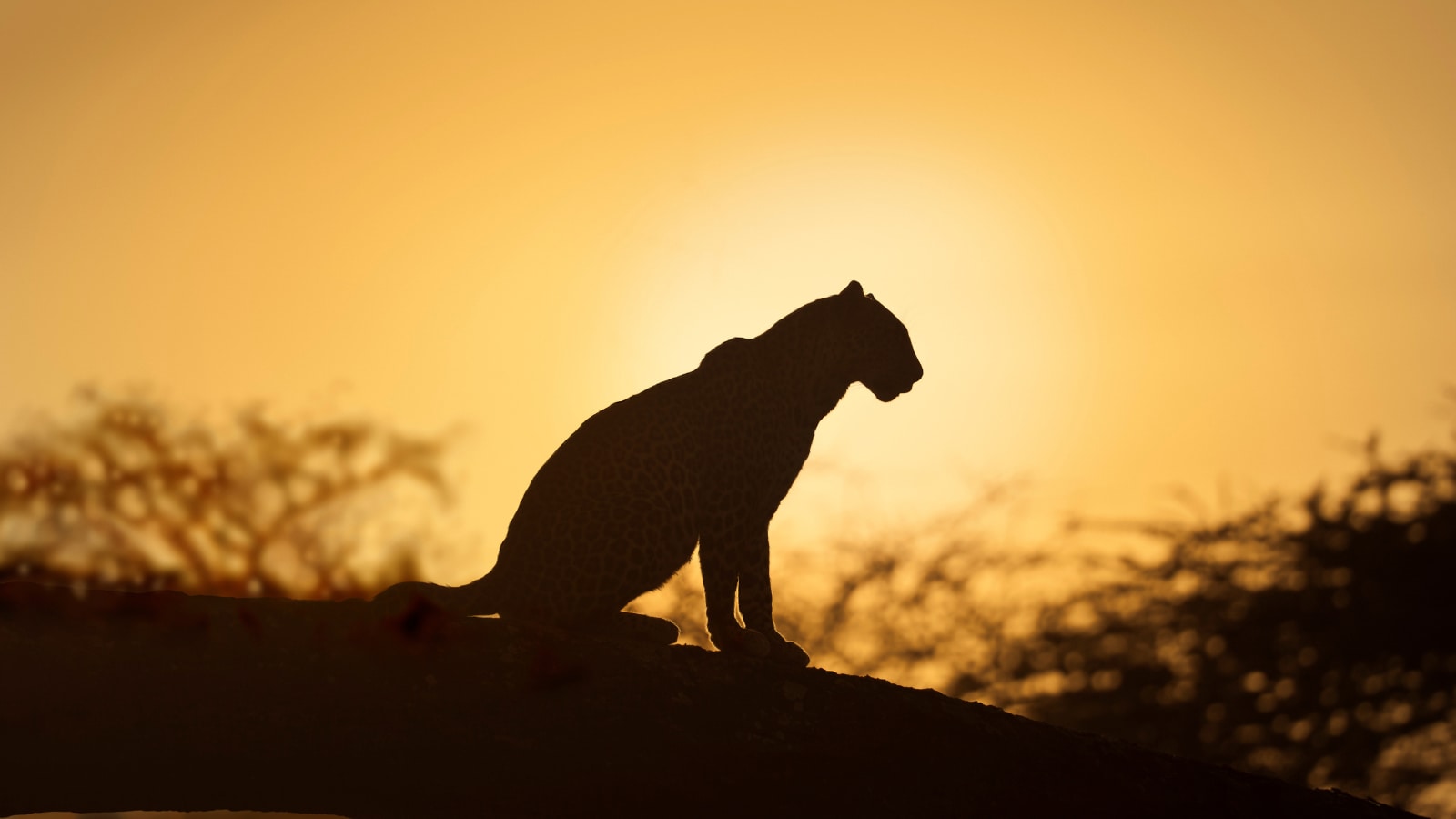
Best for: Leopard sightings and distinctive rocky landscapes.
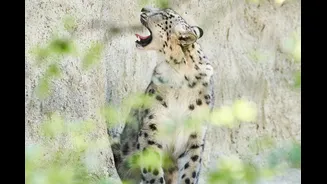
For travellers more interested in leopards than tigers, Jawai offers a different kind of wildlife experience. Located in Rajasthan, the region is known for its granite hills, caves, reservoirs and leopard habitat.
One of its most fascinating aspects is the coexistence between leopards and the local Rabari pastoral community. The big cats are often spotted around rocky outcrops and caves, making the landscape particularly interesting for wildlife photographers.
Travel tip: October to April is considered a favourable period for visiting Jawai. Choose an experienced local safari operator for guided excursions.
5. Pench National Park, Madhya Pradesh and Maharashtra
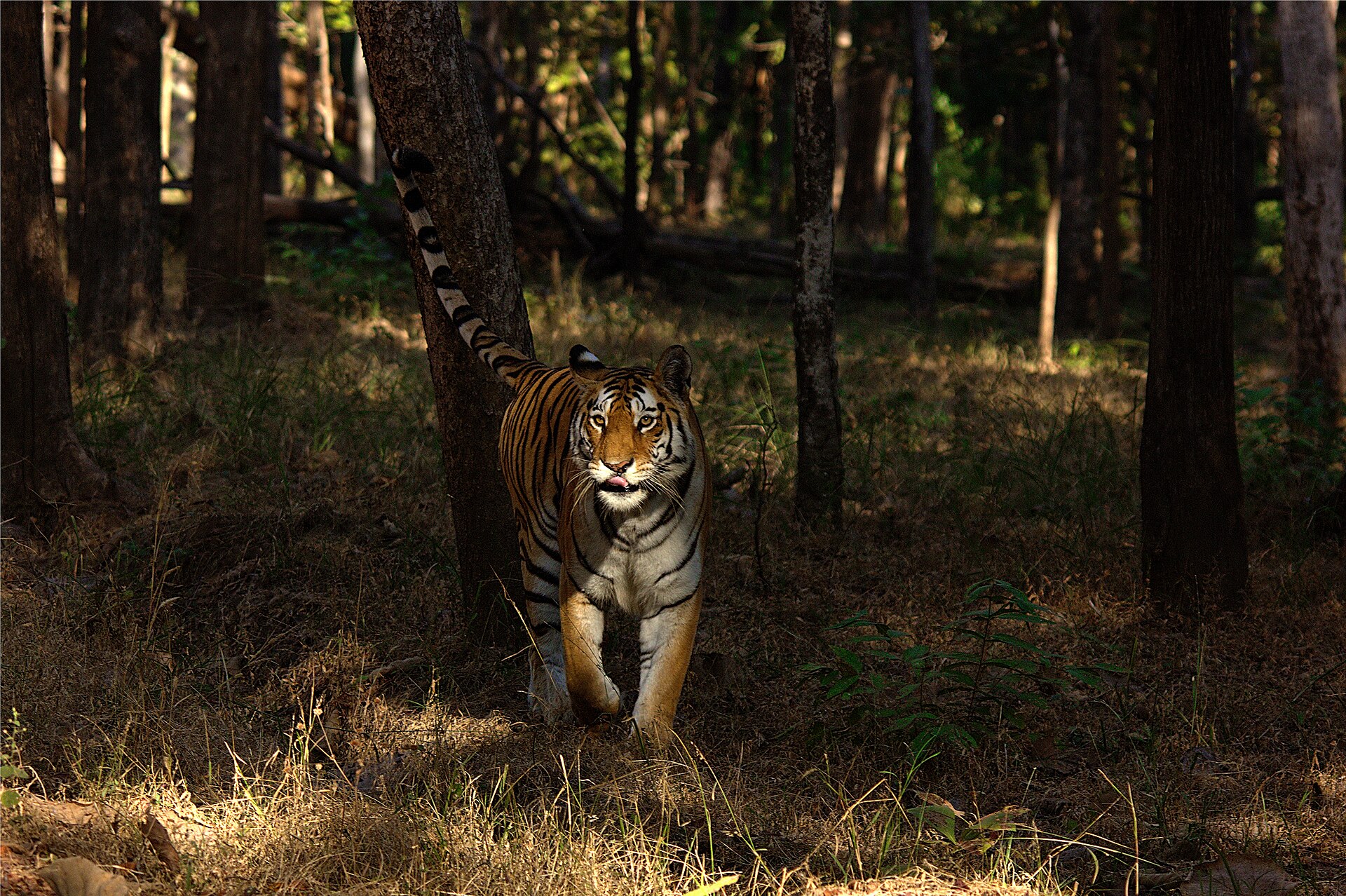
Best for: Tigers, leopards and Indian wild dogs.
Straddling Madhya Pradesh and Maharashtra, Pench National Park is known for its forests, grasslands and diverse wildlife. Its ecosystem supports Bengal tigers, leopards, Indian wild dogs, sloth bears and several deer species.
The reserve is also associated with the landscapes that inspired Rudyard Kipling’s The Jungle Book. November to February offers comfortable conditions for exploring its forests and enjoying the winter scenery.
Travel tip: Turia, Karmajhiri and Jamtara are among its recognised entry gates. Check the state-side entry and safari zone before choosing accommodation.
Essential tips for planning a winter wildlife safari
- Book permits and accommodation well in advance, particularly during December and January.
- Carry warm layers for early morning safari drives.
- Pack binoculars and a camera with a suitable zoom lens.
- Follow your naturalist’s instructions and maintain silence during wildlife sightings.
- Never feed animals or attempt to attract them for photographs.
- Check park timings, seasonal closures and safari regulations before travelling.