





You have surely heard of this adage – butter makes everything better. Now imagine a butter that is creamy, tastier and of an overall better quality than any butter you might have eaten in the past. Well,
that is the French cultured butter.
And social media and food content creators have been losing their collective minds over this style of butter.
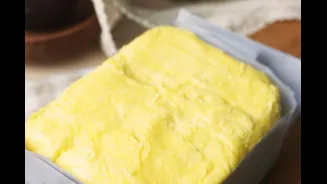
The French cultured butter can elevate everyday cooking into something sublime. Unlike the mild sweetness of standard butter, this artisanal gem delivers a rich, tangy depth that has chefs and home cooks alike reaching for it.
What is French cultured butter?
French cultured butter starts with fresh cream from grass-fed cows, often in Normandy or Brittany. The cream ferments with live lactic acid bacteria for up to 18 hours – similar to when you make yoghurt at home. This fermentation allows it to develop a subtle tang and complex flavour profile. It’s then slow-churned (beurre de baratte) into blocks, sometimes hand-shaped with wooden paddles. Varieties include doux (sweet), demi-sel (lightly salted), and salé (heavily salted).
How Does It Differ from Regular Butter?
Standard butter (like Amul or regular supermarket brands) is “sweet cream” butter, i.e. it is made using pasteurised cream churned fresh without culturing, resulting in a milder, cleaner taste.
- Butterfat Content: French minimum 82% (often 84–85%), vs. 80% in Indian/American standards. Higher fat means richer flavour, creamier texture, and less water—ideal for flaky pastries.
- Flavour: Culturing adds nutty, slightly acidic notes; regular is neutral.
- Texture: Softer, more spreadable, even chilled; slower to melt for better lamination in baking.
- Colour: Golden from grass-fed milk beta-carotene.
If you want to make this style of butter at home on your own, you can follow this easy recipe by Wayne & Nancy Weil:
View this post on Instagram
Ingredients :
4 pints heavy cream
6 Tbsp whole milk yoghurt
Flaky Maldon Sea Salt
Directions:
1. Mix the cream and yoghurt until fully combined in a large bowl. Cover with a pot lid (not airtight) and let sit at room temperature for 60 hours, away from direct sunlight, until thickened and lightly tangy.
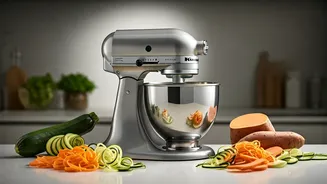
2. Transfer to a stand mixer (churn in batches if needed). Whip on medium-high. It will first become whipped cream—keep going. At this stage, you may need to drape a tea towel around the mixing bowl so it doesn’t spray out! After about 7–8 minutes, it will separate into butter solids and buttermilk. Scrape the sides as needed.
3. Strain off the buttermilk completely.
4. Transfer the butter to a bowl of ice-cold water. Knead and press the butter gently to release the remaining buttermilk. Drain and repeat in a second ice bath until the water runs clear.
5. Transfer butter to cheesecloth and squeeze out all excess water.
6. Season with flaky sea salt, shape, wrap in parchment, and chill.