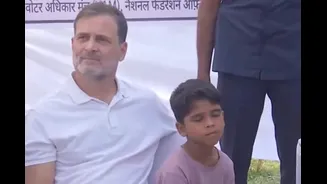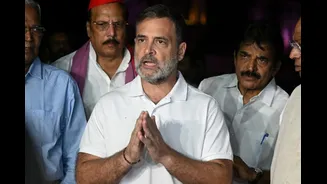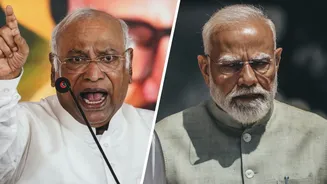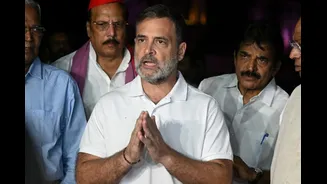





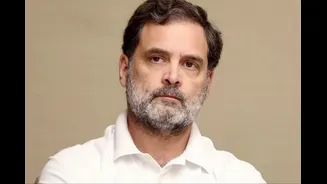
Leader of Opposition in the Lok Sabha Rahul Gandhi on Wednesday launched an attack on Prime Minister Narendra Modi and Union Home Minister Amit Shah, accusing them of treating Indian businesses as their
“plaything” and questioning the silence of prominent corporate leaders amid the escalating leadership battle at Tata Sons.
In a strongly worded post on X, Gandhi alleged that the Tata Group was being “criminally destroyed” and challenged business leaders to speak up, directing his political attack at the BJP’s top leadership.
“Tata is being criminally destroyed, and no business leader dares say a word,” Gandhi wrote. “How long will you stay silent? Until they own you?” he asked, before adding: “Indian business is not Modi and Shah’s plaything. You lack courage. We don’t. We will ensure justice for these crimes.”
Gandhi’s remarks come amid a dispute between Tata Trusts Chairman Noel Tata and Tata Sons over the reappointment of N Chandrasekaran as executive chairman of the conglomerate’s holding company. The disagreement has brought questions about corporate governance, the authority of the group’s controlling charitable trusts and the future ownership structure of Tata Sons into focus.
Tata is being criminally destroyed, and no business leader dares say a word.
How long will you stay silent? Until they own you?
Indian business is not Modi and Shah’s plaything. You lack courage. We don’t. We will ensure justice for these crimes.
— Rahul Gandhi (@RahulGandhi) October 28, 2026
What Is The Tata Sons Battle About?
The immediate trigger for the controversy is Chandrasekaran’s reappointment for another five-year term as executive chairman of Tata Sons, which was approved by the company’s board on September 17. His existing tenure is due to end in February 2027.
The decision was opposed by Noel Tata, who heads Tata Trusts, the charitable trust network that holds approximately 66 per cent of Tata Sons. The disagreement has exposed differences over the appointment process, the interpretation of the company’s Articles of Association and the role of the trusts in determining the holding company’s leadership.
Tata Trusts has maintained that Chandrasekaran’s reappointment was invalid. According to the trusts, Chandrasekaran had communicated on August 12 that he did not intend to seek another term after his existing tenure ended. The trusts subsequently accepted that decision and called for a selection committee to be established to identify a successor.
The position changed when the Tata Sons board asked Chandrasekaran to reconsider his decision. The board subsequently approved his reappointment, with four directors voting in favour and Noel Tata voting against it.
In a letter dated October 26 to Tata Sons Company Secretary Suprakash Mukhopadhyay, Noel renewed his objections, questioning the validity of the resolution and the procedures followed at the September 17 meeting.
He argued that the agenda circulated to directors did not explicitly mention Chandrasekaran’s reappointment. He also alleged that no selection committee had been constituted as required under Article 118 of the company’s Articles of Association and that the necessary affirmative votes from directors appointed under Article 104B had not been obtained.
Noel further questioned why the resolution had been treated as final and filed with the Ministry of Corporate Affairs before the meeting minutes were finalised. He sought the meeting’s audio and video recordings, final minutes, voting details and other documents to establish the sequence of events.
Tata Sons, however, has defended the validity of the board’s decision, relying on legal opinions that support its interpretation of the voting rules. The dispute over the resolution’s validity remains central to the disagreement.
Listing Question Adds To The Rift
The disagreement extends beyond Chandrasekaran’s tenure to the future structure of Tata Sons, including whether the company should remain privately held or pursue a stock market listing.
The Reserve Bank of India’s regulatory framework for upper-layer non-banking financial companies has added another dimension to the debate. Tata Sons has faced listing-related regulatory considerations, while Noel Tata has opposed a public listing, arguing that the group’s existing ownership structure is important to preserving its institutional and charitable character.
The board’s decision to consider a potential listing has therefore become another point of difference between Tata Sons and Tata Trusts.
The stakes are significant because Tata Sons sits at the apex of one of India’s largest business groups, with interests spanning information technology, automobiles, steel, aviation and other sectors. Its leadership and ownership decisions have implications for the wider conglomerate and its shareholders.
Gandhi’s intervention brings a political dimension to an internal corporate dispute, with the Congress leader questioning whether prominent business figures feel able to speak openly about developments involving one of the country’s best-known industrial groups.