






World Elephant Day 2026 is being observed today, on August 12, bringing attention to the conservation and protection of elephants across the world. The annual observance highlights the threats faced by
African and Asian elephants and encourages people to learn more about these animals, support conservation efforts and promote their protection in the wild and in responsible care.
The official World Elephant Day organisation has listed August 12, 2026, with the message “Bringing the world together to help elephants.” The observance focuses on raising awareness about the challenges facing elephants, including habitat loss, poaching, human-elephant conflict and mistreatment in captivity.
World Elephant Day is an occasion to appreciate the wide range of community efforts to protect elephants. At the same time, we reaffirm our commitment to doing everything possible to ensure elephants get a conducive habitat where they can thrive. For us in India, the elephant is… pic.twitter.com/yAW5riOrT1
— Narendra Modi (@narendramodi) August 12, 2024
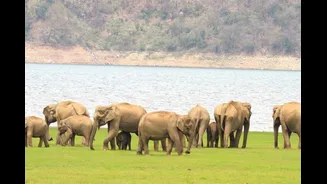
Elephants are among the world’s most recognisable animals and play an important ecological role as keystone species. Their movement, feeding and interactions with vegetation can influence the ecosystems in which they live. However, shrinking habitats, fragmented migration routes, illegal wildlife trade and conflict between people and elephants continue to pose serious conservation challenges.
On World Elephant Day, people around the world are encouraged to learn about elephants, share information about their conservation and support efforts that allow wild elephants to survive in safe and sustainable habitats.
- World Elephant Day 2026: Date
- Date: August 12, 2026
- Day: Wednesday
- Occasion: World Elephant Day
- 2026 message: “Bringing the world together to help elephants”
World Elephant Day is observed every year on August 12.
What Is World Elephant Day?
World Elephant Day is an annual international observance dedicated to raising awareness about the conservation and protection of elephants.
The day brings attention to the challenges faced by both African and Asian elephants and encourages individuals, organisations and governments to support measures that protect elephant populations and their habitats.
The observance also encourages people to understand elephants beyond their cultural and symbolic importance. Elephants are highly social animals and have complex communication and family structures. They also play important roles in their ecosystems.
World Elephant Day History
World Elephant Day was officially launched on August 12, 2012.
The initiative was conceived in 2011 by the Elephant Reintroduction Foundation and filmmakers Patricia Sims and Michael Clark, before the first World Elephant Day was launched the following year. The objective was to bring attention to the urgent challenges facing Asian and African elephants.
Since then, August 12 has become an annual occasion for conservation organisations, wildlife advocates, communities and individuals to raise awareness about elephant protection.
The official World Elephant Day organisation continues to encourage people to share knowledge, support conservation solutions and advocate for better care of both wild and captive elephants.
Why Is World Elephant Day Celebrated?
World Elephant Day is celebrated to draw attention to the threats that elephants face and encourage action to protect them.
Some of the major challenges include:
- Habitat loss and fragmentation
- Poaching and the illegal ivory trade
- Human-elephant conflict
- Loss of traditional migration routes
- Inadequate protection of elephant habitats
- Mistreatment of elephants in captivity
The World Elephant Day organisation says habitat loss, poaching, human-elephant conflict and mistreatment in captivity are among the major threats facing African and Asian elephants.
The day also highlights the importance of finding ways for people and elephants to coexist, particularly in regions where growing human populations and development overlap with elephant habitats.
World Elephant Day 2026: Why Elephant Conservation Matters
Elephants are more than large land mammals. They are considered keystone species, meaning their presence and activities can have an important influence on the health of their ecosystems.
As elephants move through forests and other habitats, they feed on vegetation, disperse seeds and create pathways that can be used by other animals. Their ecological role means that protecting elephant populations can also contribute to the conservation of broader habitats and biodiversity.
The loss of elephant populations can therefore have consequences beyond the species itself.
Elephants in India: Why Conservation Is Important
India has a particularly important role in Asian elephant conservation.
According to the Ministry of Environment, Forest and Climate Change, India accounts for more than 60% of the global wild Asian elephant population. The Asian elephant is classified as Endangered on the IUCN Red List and is protected under Schedule I of India’s Wildlife Protection Act, 1972.
India’s elephant populations are distributed across several regions, including southern, northeastern, east-central and northern parts of the country.
The Indian government launched Project Elephant in 1992 as a Centrally Sponsored Scheme. Its objectives include supporting elephant conservation, protecting habitats and addressing issues related to human-elephant conflict.
This makes World Elephant Day particularly relevant in India, where protecting elephant habitats and maintaining movement corridors are important parts of conservation efforts.
What Are the Biggest Threats to Elephants?
Habitat Loss
One of the biggest challenges for elephants is the loss and fragmentation of their natural habitat.
Roads, railways, settlements, agriculture and other forms of development can divide forests and disrupt traditional elephant movement routes. Fragmented habitats can make it harder for elephant populations to find food, water and safe areas for movement.
Human-Elephant Conflict
When elephant habitats overlap with farms, villages and infrastructure, encounters between people and elephants can become dangerous for both.
Elephants may enter agricultural areas in search of food and water, while people may face crop losses and risks to their safety. Conservation strategies therefore increasingly focus on reducing conflict and allowing communities and elephants to coexist.
The World Elephant Day organisation highlights human-elephant conflict as one of the major threats facing Asian and African elephants.
Poaching and Illegal Ivory Trade
Illegal hunting for ivory has historically been a major threat to elephant populations, particularly in Africa.
Elephant tusks are actually enlarged incisor teeth. Ivory demand has driven illegal killing and wildlife trafficking, making efforts to combat poaching and illegal trade an important part of elephant conservation.
Mistreatment in Captivity
The welfare of captive elephants is another issue highlighted by World Elephant Day.
The organisation encourages people to experience elephants in non-exploitative and sustainable environments and to support better treatment and care for captive elephants.
10 Interesting Facts About Elephants
- There are three recognised living elephant species: the African savanna elephant, African forest elephant and Asian elephant.
- Elephants are herbivores and consume large quantities of vegetation every day.
- An elephant’s trunk has several functions. It is used for breathing, smelling, touching, grasping, drinking and producing sounds.
- Elephant tusks are enlarged incisor teeth. They can be used for digging, stripping bark and other activities.
- Elephants are highly social animals. Female elephants generally live in family groups led by a matriarch.
- Elephants communicate in several ways, including through sounds, touch, sight and smell. They can also use low-frequency sounds and vibrations.
- Elephant pregnancies are exceptionally long. A female elephant’s pregnancy lasts about 22 months.
- Elephants are strong swimmers. They can use their trunks as snorkels when swimming in deeper water.
- Elephants are important ecosystem engineers and keystone species. Their activities can influence vegetation, seed dispersal and other aspects of their habitats.
- Asian elephants are endangered. The World Elephant Day organisation estimates that fewer than 50,000 remain in the wild, while official Indian government material identifies the Asian elephant as an endangered species.
Asian Elephants vs African Elephants
There are important differences between Asian and African elephants.
Asian elephants generally have smaller ears than African elephants. Asian elephants also have a more rounded head shape, while African elephants have larger ears that help them regulate body temperature in their environments.
There are also differences in tusks and body size. In Asian elephants, tusks are generally more prominent in males, while both male and female African elephants can have tusks, although this varies.
From a conservation perspective, both groups face significant threats, although the nature and scale of those threats vary across regions.
How Can We Help Protect Elephants?
World Elephant Day encourages people to move beyond simply appreciating elephants and take meaningful action.
Some ways people can help include:
- Learn about elephant conservation and share reliable information.
- Do not buy ivory or other illegal wildlife products.
- Support credible elephant conservation organisations.
- Avoid tourism activities that exploit or mistreat elephants.
- Support responsible and ethical wildlife tourism.
- Learn about human-elephant conflict and coexistence initiatives.
- Encourage protection of forests and wildlife corridors.
- Support policies and programmes that protect elephant habitats.
- Participate in World Elephant Day awareness activities.
- The official World Elephant Day organisation also encourages people to share information, sign its conservation pledge, support awareness initiatives and promote ethical treatment of elephants.
World Elephant Day 2026: How To Celebrate
There are several simple ways to observe World Elephant Day.
Schools and colleges can organise awareness programmes, wildlife discussions, quizzes, poster-making competitions and educational sessions about elephant conservation.
Individuals can also use social media to share verified information about elephants and highlight conservation initiatives.
Another meaningful approach is to learn about the elephants living in your region and understand the conservation challenges faced by local communities and wildlife.
The official World Elephant Day website also invites individuals and organisations to host their own events on August 12 and submit eligible events to its events page.
World Elephant Day Quotes
- “Protecting elephants means protecting the forests and ecosystems that sustain them.”
- “Our admiration for elephants should inspire action, not just appreciation.”
- “A future without elephants would be a loss for wildlife, forests and generations to come.”
- “Give elephants space to roam, habitats to thrive and protection from exploitation.”
- “When we protect elephants, we help protect the balance of nature.”
World Elephant Day 2026 FAQs
When is World Elephant Day 2026?
World Elephant Day 2026 will be observed on Wednesday, August 12.
What is the message of World Elephant Day 2026?
The official World Elephant Day website currently carries the 2026 message “Bringing the world together to help elephants.”
When was the first World Elephant Day observed?
The first World Elephant Day was officially launched on August 12, 2012.
Why is World Elephant Day celebrated?
World Elephant Day is observed to raise awareness about the conservation and protection of elephants and the threats they face, including habitat loss, poaching, human-elephant conflict and mistreatment in captivity.
What are the three species of elephants?
The three recognised living elephant species are the African savanna elephant, African forest elephant and Asian elephant.
Why are elephants important to the environment?
Elephants are considered keystone species because their activities can have a significant influence on the ecosystems they inhabit. They can contribute to seed dispersal and influence vegetation and habitat structure.
What is the status of the Asian elephant?
The Asian elephant is classified as Endangered on the IUCN Red List. India’s Ministry of Environment, Forest and Climate Change also identifies it as endangered and says India accounts for more than 60% of the global wild Asian elephant population.
How can people help elephants?
People can help by supporting credible conservation programmes, avoiding illegal wildlife products such as ivory, promoting ethical wildlife tourism, sharing accurate information and supporting efforts to protect elephant habitats and reduce human-elephant conflict.