








Saudi Arabia has stunned global energy markets by announcing its steepest crude oil price cut for Asian buyers in more than two decades, a move that comes barely weeks after the Middle East conflict had
sent oil prices soaring.
The Kingdom has slashed the official selling price (OSP) of its flagship Arab Light crude for August deliveries to Asia by $11 per barrel, flipping it from a premium to a $1.50-a-barrel discount against the Oman-Dubai benchmark. It is Saudi Arabia’s biggest monthly reduction in at least 26 years and the first time since 2020 that the grade has been priced at a discount for Asian customers.
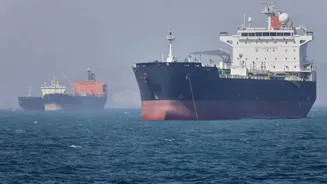
The timing is significant. Just weeks ago, crude prices had surged amid the US-Iran military confrontation, also disrupting shipping through the Strait of Hormuz – the narrow waterway through which nearly one-fifth of the world’s oil passes. The supply disruptions had pushed Brent crude sharply higher and raised concerns about another global energy shock.
Those fears have since eased.
Shipping through the Strait of Hormuz has largely normalised, oil exports from Gulf producers have recovered and markets are no longer pricing in an immediate supply crisis. At the same time, OPEC+ has agreed to increase production once again, adding another 188,000 barrels per day from August, while countries such as the UAE have also ramped up output. The market’s focus has therefore shifted from geopolitical risks to growing supplies and concerns over weak global demand, particularly from China.
Against this backdrop, Saudi Arabia’s aggressive pricing appears aimed at protecting market share rather than responding to a supply emergency.
Why Asia Matters
Asia is the world’s largest crude oil importing region and the most important market for Saudi Arabia. Countries such as India, China, Japan and South Korea account for a substantial share of Saudi crude exports.
However, Saudi Arabia has been facing intense competition in Asia over the past few years, especially from Russia. Following Western sanctions after the Ukraine war, Russia diverted discounted crude to Asian buyers, with India and China emerging as its biggest customers.
The latest price cut is widely seen as Riyadh’s attempt to remain competitive and ensure Asian refiners continue buying Saudi crude instead of shifting to rival suppliers. Analysts say the move also reflects softer physical demand in Asia, particularly from China, whose slowing economic growth has weighed on oil consumption.
What Does This Mean For India?
For India, the development could be positive, though consumers should not expect an immediate reduction in petrol and diesel prices.
India imports nearly 85 per cent of its crude oil requirements, making it one of the world’s largest energy importers. Lower crude prices generally reduce the country’s import bill, improve the current account balance, ease inflationary pressures and provide some relief to government finances.
A sustained decline in crude prices also lowers costs for sectors such as aviation, logistics, manufacturing and transport, all of which depend heavily on petroleum products.
However, cheaper crude does not automatically translate into lower retail fuel prices. Petrol and diesel prices in India are influenced by a combination of international crude prices, refinery margins, freight costs, exchange rates, central and state taxes and pricing decisions by oil marketing companies. Therefore, any consumer benefit depends on how long lower crude prices persist and whether refiners pass on the gains.
Oil Prices Have Retreated
Global benchmark Brent crude is now trading close to $72 per barrel, while US West Texas Intermediate (WTI) is hovering around $69 per barrel, levels broadly similar to those seen before the US-Iran conflict escalated. Markets have largely erased the geopolitical risk premium that had built up during the crisis.
Despite the easing tensions, analysts caution that geopolitical risks have not disappeared entirely. US-Iran relations remain fragile, and any disruption in the Strait of Hormuz or fresh military escalation could quickly push oil prices higher again.
A Changing Oil Market
Saudi Arabia’s unprecedented discount also reflects a broader shift in the global oil market.
Instead of worrying about supply shortages, traders are increasingly focused on oversupply. OPEC+ has been gradually restoring production, Gulf exports have recovered after the regional conflict, and demand growth remains uncertain.
For Saudi Arabia, offering cheaper oil is a way to defend its position in Asia at a time when competition from Russia and other exporters is intensifying.
For India, one of the world’s biggest crude importers, that competition could work in its favour. If global oil prices remain subdued over the coming months, the country could benefit through lower import costs and softer inflation. Whether motorists eventually see cheaper fuel at the pump, however, will depend on domestic pricing decisions as much as developments in the international oil market.