








The Congress on Sunday questioned the Narendra Modi government over fuel prices, arguing that the end of the conflict between the United States and Iran should remove one of the key reasons often cited
for economic pressures and rising energy costs.
In a statement, the party said Indians had repeatedly been told that geopolitical tensions in West Asia, particularly the war involving Iran, were responsible for inflationary pressures, supply disruptions and economic challenges.
“Every price hike, every downturn, and every hardship was blamed not on the government’s policies, but on the tensions in West Asia,” the Congress said.
हमें बताया जा रहा था कि भारत की बेहाल अर्थव्यवस्था की वजह अमेरिका-ईरान की जंग है। हर महंगाई, हर गिरावट और हर परेशानी का दोष सरकार की नीतियों पर नहीं, पश्चिम एशिया के तनाव पर था।
अब जब जंग खत्म हो गई है, तो मोदी जी का बहाना भी खत्म हो जाना चाहिए।
क्रूड ऑयल के दाम कम होंगे।…
— Pawan Khera 🇮🇳 ಪವನ್ ಖೇರಾ (@Pawankhera) June 15, 2026
Congress Demands Fuel Price Cuts
The opposition party argued that with hostilities now easing and a ceasefire taking hold, global crude oil prices could soften and supply chains could stabilize.
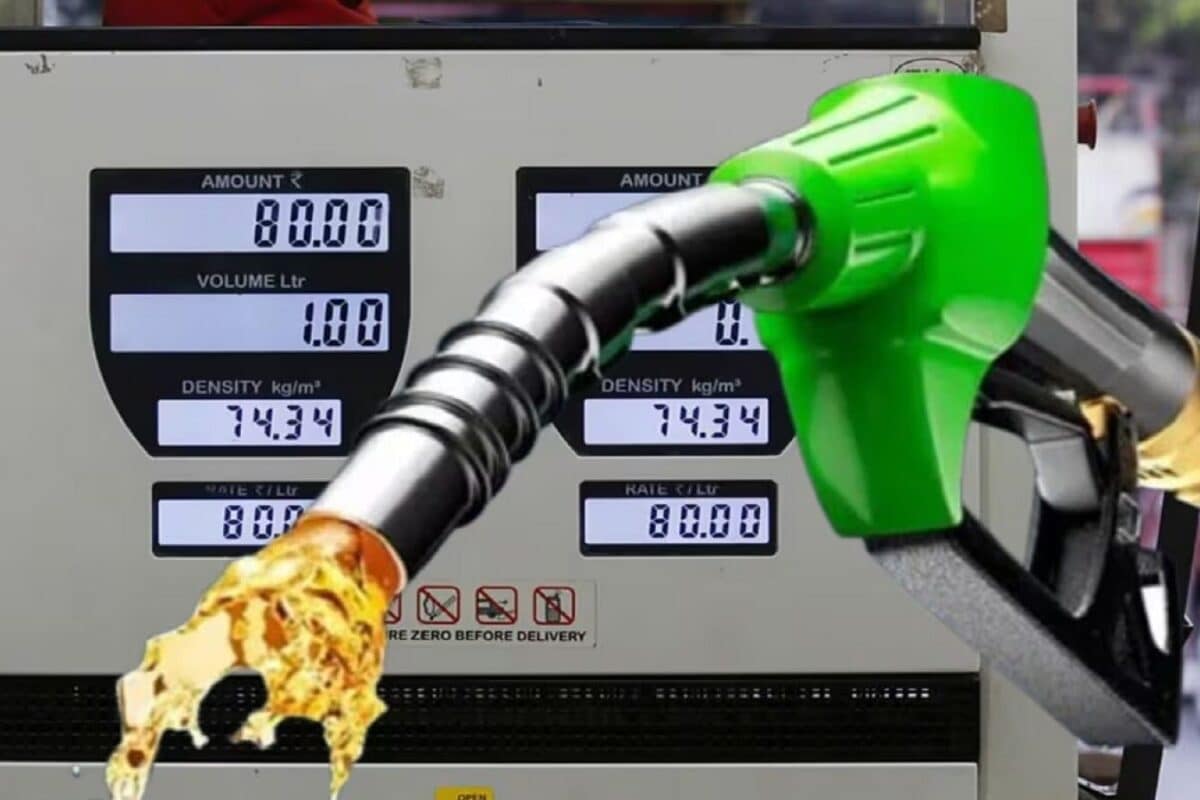
According to Congress, any benefits arising from lower energy costs should be passed on to consumers in the form of reduced prices for petrol, diesel, CNG, LPG and LNG.
“Crude oil prices will come down. Supply chains will normalize. Demand will stabilize. Naturally, the benefits of this should also reach the country’s consumers,” the party said.
Jibe at PM Modi’s France Visit
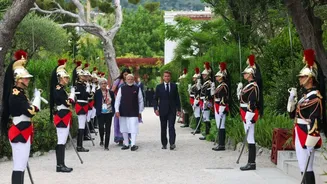
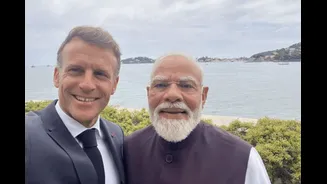
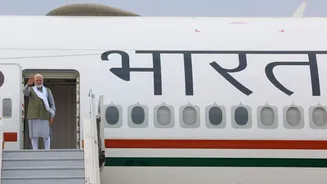
The Congress also took a swipe at Prime Minister Narendra Modi, who is currently in France for the G7 Summit and related engagements.
Questioning whether the government would act quickly on fuel prices, the party asked if the Prime Minister would announce relief measures while abroad or if citizens would have to wait until his return.
“Will Modi ji announce this good news from France itself? Or will the country have to wait for his return?” the statement said.
Fuel Prices Remain Political Flashpoint
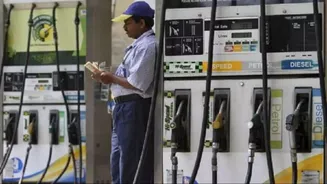
Fuel prices have remained a contentious political issue in India, with opposition parties frequently linking petrol, diesel and cooking gas costs to broader concerns about inflation and household expenses.
The government, on the other hand, has often pointed to global crude oil prices, international conflicts and supply disruptions as major factors influencing domestic energy costs.
With developments in West Asia being closely watched by energy markets, opposition parties are likely to continue pressing the government for relief if crude prices decline in the coming weeks.