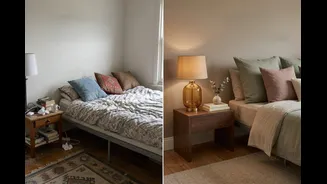




The bedside table has long been considered a staple in bedroom design, quietly anchoring the space beside the bed. But as homes become more compact and design preferences shift towards minimalism and flexibility,
this once-essential piece is being reconsidered.
Today, the question is no longer about styling a bedside table – but whether you need one at all. With evolving lifestyles and smarter furniture solutions, bedrooms are being reimagined to prioritise both function and flow.
The Changing Role Of A Classic Essential
For decades, bedside tables have served a simple purpose: convenience. They hold everyday essentials within reach while also completing the visual symmetry of a bedroom. Lokendra Ranawat, Founder and CEO, Wooden Street, explains, “The bedside table has long been seen as a bedroom essential – almost as important as the bed itself.” He adds that its role goes beyond function, contributing to the room’s structure and overall aesthetic.
Similarly, Raghunanadan Saraf, Founder and CEO, Saraf Furniture, notes, “The bedside table has always been a comforting constant in bedroom design because it serves as a silent partner which keeps every essential item.” Yet, both experts agree that its relevance is now being redefined.
When Less Becomes More
As urban homes shrink and clutter-free living gains momentum, traditional furniture pieces are being reassessed. Ranawat points out that in compact spaces, a bedside table can feel like an unnecessary addition. Removing it can instantly make a room appear more open and breathable. Saraf echoes this shift, highlighting how modern buyers now prioritise spaces that feel light, personal, and intuitive. The focus has moved from filling a room to refining it.
The Rise Of Smarter Alternatives
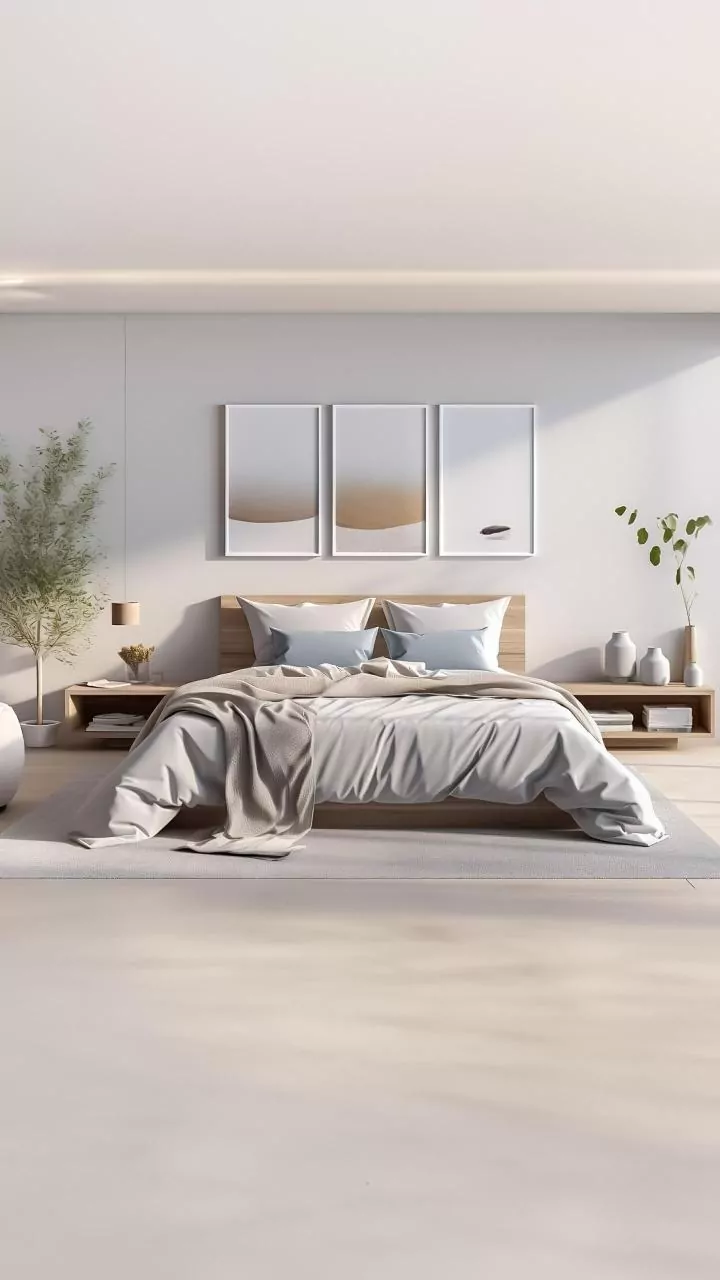
Instead of eliminating functionality, homeowners are rethinking how it’s delivered. Wall-mounted shelves, floating ledges, and compact stools are replacing bulky bedside tables. Ranawat says, “These alternatives offer the same accessibility while saving space and adding a contemporary edge. Multifunctional furniture – like beds with built-in storage or extended headboards – further reduces the need for standalone pieces.” Saraf adds. “Such solutions create functional storage areas without making the room look cluttered, aligning with the demands of modern living.”
Designing Around Your Lifestyle
Ultimately, the decision comes down to how you use your space. If your nightly routine involves reading, charging devices, or keeping essentials close, a bedside table still holds value. But if your approach leans towards simplicity, skipping it can create a more fluid and calming environment. As Saraf puts it, “People still require easy access to comfortable things. The way people satisfy their essential needs has changed.” This evolution opens up new possibilities for design that are rooted in real habits rather than fixed rules.
A Shift From Tradition To Choice
The bedside table is no longer a default; it’s a deliberate choice. By questioning long-standing design norms, homeowners are creating spaces that feel more aligned with their daily lives. Ranawat emphasises, “Rethinking such elements allows for a bedroom that is both functional and personal, rather than dictated by convention.”
In today’s homes, design is less about following templates and more about adapting to individual needs. The bedside table, once considered indispensable, now sits in a space between tradition and transformation. Whether you keep it or replace it, the goal remains the same – to create a bedroom that feels intuitive, uncluttered, and truly your own.