



Thinking of booking a thrilling wildlife safari into India’s deep jungles this season? You might want to hold that thought. Every year a massive, coordinated shutdown rolls out across the country’s most
legendary sanctuaries. Between May and July, major national parks close their gates, completely stopping safaris before finally reopening between October 1 and October 15. The dates vary for all states. For example, Gujarat has announced closure of all national parks from June 23 this year.
While it might seem like a huge bummer for travel junkies, this temporary lockdown is a crucial strategy that helps protect India’s wildlife. Here are three main reasons why the parks go off-limits:
Protecting Wildlife During Breeding Season
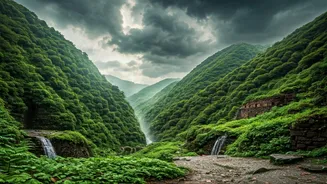
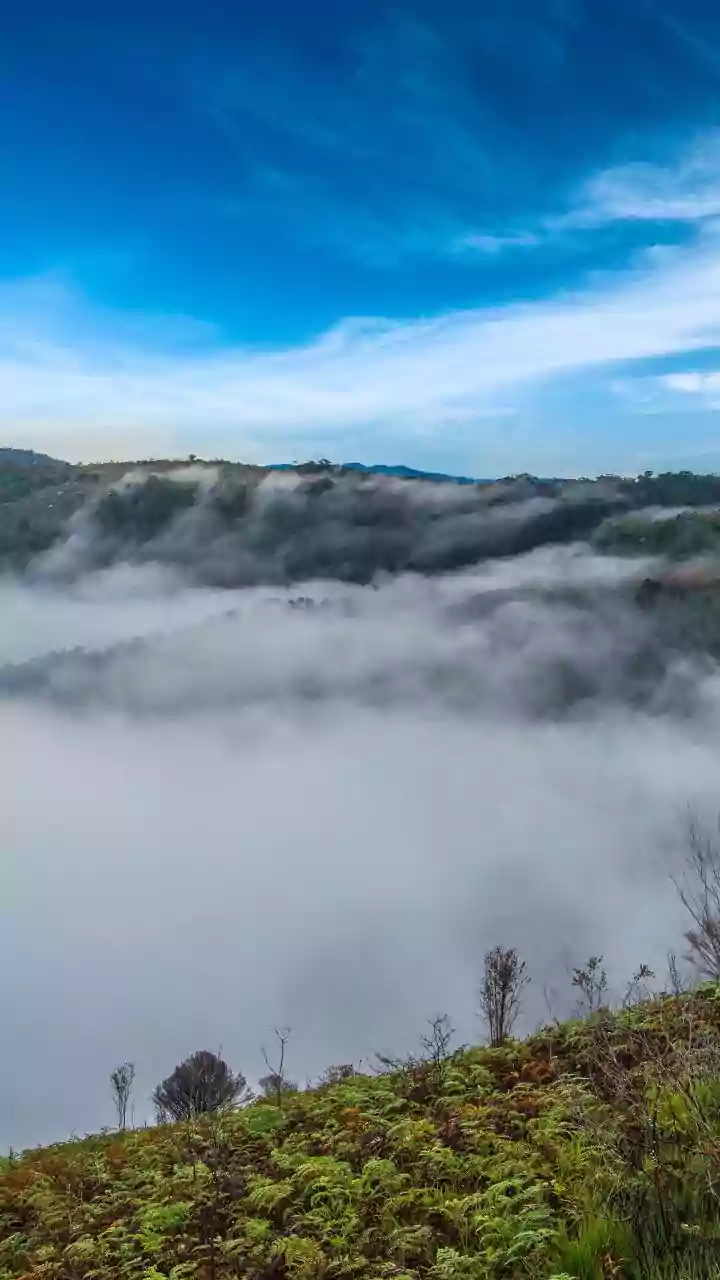
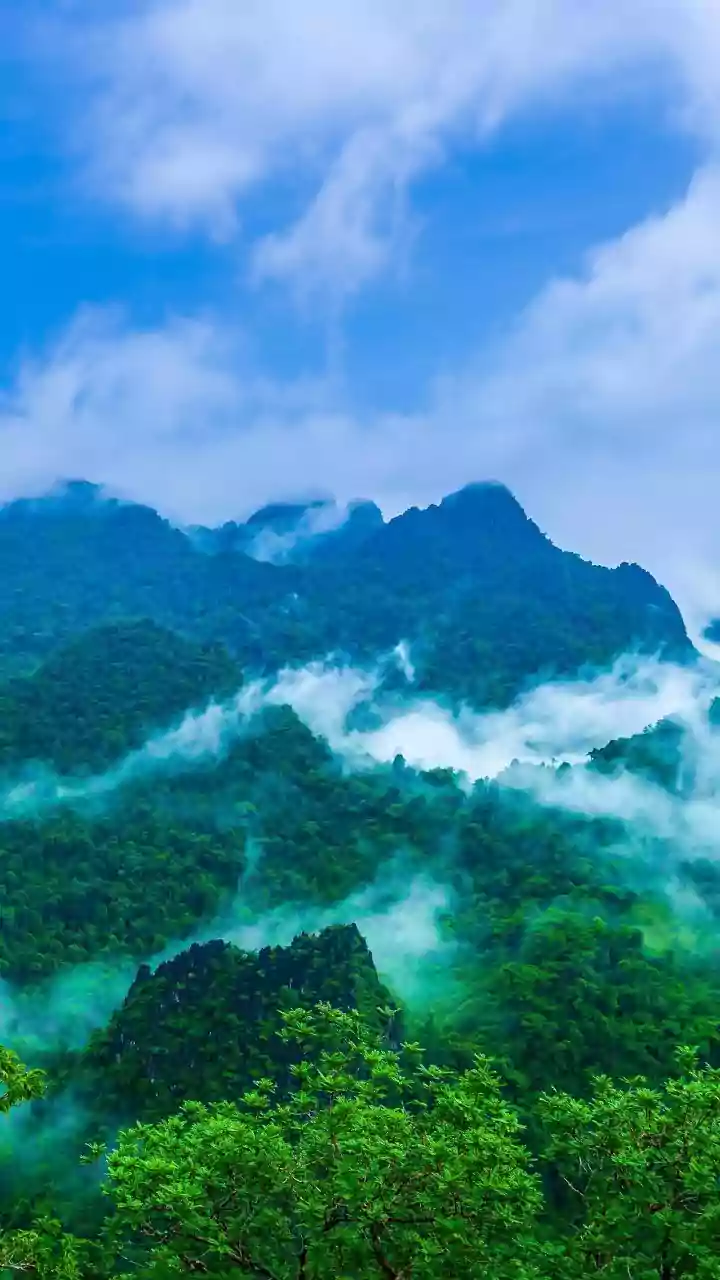
The main reason for the sudden silence inside the reserves is the animal breeding season. The heavy monsoon rains help grow lush, thick greenery, creating the perfect private nurseries for tigers, leopards, elephants, and rare birds. Enforcing absolute quiet during this sensitive time ensures newborn cubs and calves can grow up safely without being stressed by roaring safari engines and loud tourist crowds.
Dodging Treacherous Mud And Flash Floods
Driving a heavy safari vehicle through an Indian jungle in peak monsoon is an absolute safety nightmare. Torrential rains quickly turn dirt tracks into incredibly slippery mud pits. In hilly areas like the foothills of Uttarakhand, heavy rain can trigger sudden, dangerous landslides and flash floods. Keeping tourists out minimizes the risk of scary accidents and vehicles getting stranded miles away from emergency help.
Infrastructure Upgrades
When the tourists leave, the real work begins for forest guards and park officials. The seasonal closure gives teams an uninterrupted window to repair damaged infrastructure, clear fallen trees, rebuild washed-out dirt roads, and reinforce deep anti-poaching camps. This ensures the trails are perfectly smooth and safe by the time the massive winter rush arrives in October.
Monsoon Safaris Still Exist
If you are a rain-lover who wants to see a lush jungle, your vacation isn’t entirely ruined. A few buffer zone loopholes remain open:
Ranthambore National Park (Rajasthan): While core Zones 1 to 5 close tightly from July 1 to September 30, Zones 6 to 10 stay wide open for rainy-season safaris.
Jim Corbett National Park (Uttarakhand): Famous core zones like Dhikala and Bijrani lock down as rivers swell, but the rugged Jhirna, Dhela, and Garjia buffer zones stay open year-round, weather permitting.
When Do National Parks Reopen?
Most national parks reopen between October and November.