




What is the story about?
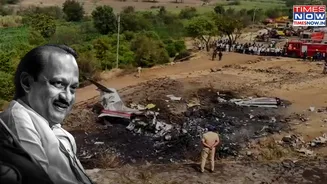
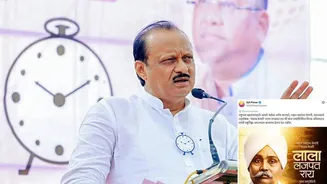
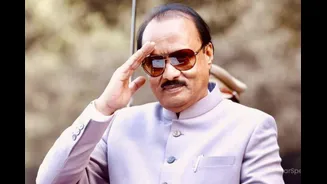
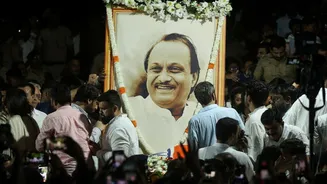
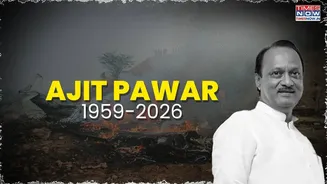
India was in a state of shock this week. Ajit Pawar, deputy chief minister of Maharashtra, died in a plane crash in Baramati. His sudden demise has raised questions about who could be the next Nationalist Congress Party (NCP) chief.
In a big victory for India, New Delhi has announced a free trade agreement (FTA) with the European Union (EU). Dubbed the mother of all trade deals’, both sides are set to benefit from the pact.
There has been a resurgence of the incurable Nipah virus in India. Two cases have been confirmed in West Bengal, leading to fears across Asia.
Here’s all this and more in our weekly wrap from India.
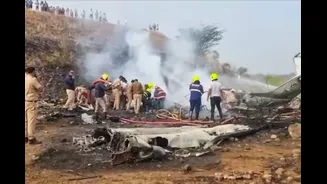
1. Ajit Pawar, a prominent politician from Maharashtra, was killed in a plane crash this week. The Learjet 45 aircraft carrying him and four others, including two crew members, tilted to its left moments before crashing near the runway at the Baramati airport.
The other people on board the aircraft included Captain Sumit Kapoor and co-pilot Captain Shambhavi Pathak, both experienced pilots; personal security officer Vidip Jadhav; and flight attendant Pinky Mali. The plane flew for just thirty-five minutes after taking off from Mumbai before it crashed. The Aircraft Accident Investigation Bureau is probing the incident to determine what caused the private aircraft to come down. We trace the final moments of the ill-fated aircraft here.
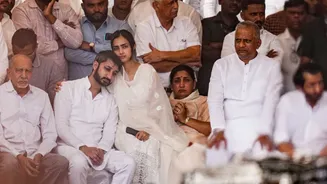
2. Ajit Pawar’s demise has stunned Maharashtra. The NCP chief had reshaped the politics of the state, emerging as one of the most powerful leaders. Politicians across party lines mourned his death. Ajit is survived by his wife, Rajya Sabha MP Sunetra Pawar, and their two sons — Parth and Jay. The 66-year-old was the nephew of NCP patriarch Sharad Pawar. This story looks at
who is who in the family.
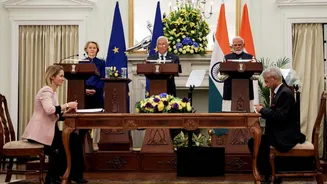
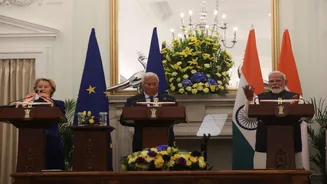
3. India and the EU have announced the completion of formal talks on the long-awaited FTA. Under the pact, tariffs on European-made cars imported into India would be significantly reduced from the current 110 per cent to just 10 per cent. Not just cars, the deal will result in a sharp reduction in tariffs on most goods traded between the two sides.
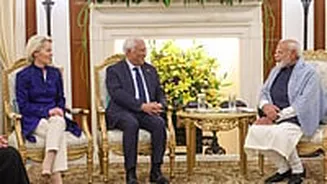
The agreement has been hailed by both Prime Minister Narendra Modi and European Commission President Ursula von der Leyen, who was the chief guest at India’s Republic Day celebrations. “This agreement will bring major opportunities for the people of India and Europe,” Modi said. “It represents 25 per cent of the global GDP and one-third of global trade.” Von der Leyen posted on X, “India and Europe have made a clear choice. The choice of strategic partnership, dialogue and openness. We are showing a fractured world that another way is possible.” The pact will be implemented in about a year, but why has it not been signed yet? We
explain here.
4. India’s free trade agreement with the EU comes at a time when New Delhi’s ties with the United States have frayed. While Washington is trying to pressure India with its high tariffs, New Delhi has advanced towards lowering dependence on the US.
India’s ties with the EU have strengthened over the years. The new trade deal could see European exports to India double by 2032, as per the bloc. Trade between India and the EU surpassed that between India and the US as well as between India and China. We take a look at how
India is coming closer to the EU.
5. The resurgence of Nipah virus cases in India has caused anxiety across Asia. The virus, which is transmitted from animals to humans, has a fatality rate of up to 75 per cent. Currently, there is no cure or vaccine for the infection.
Reports of multiple cases in West Bengal have spurred worries in China ahead of the Lunar New Year holiday, when travel increases. It has also led to screening measures at airports across Asia. Recently, a new study found that an oral antiviral medication could help manage outbreaks of the deadly virus, Chinese researchers say. Read
more here.
6. India celebrated its 77th Republic Day this week. European Council President Antonio Costa and European Commission President von der Leyen were the chief guests at the grand parade in New Delhi.
India showcased its military might on the Kartavya Path in the first R-Day parade since Operation Sindoor. From battle tanks and drones to hypersonic glide missiles, the country’s defence capabilities wowed the audience. There were also many firsts in this year’s parade. We take a look here.
7. The University Grants Commission (UGC) faced a huge backlash over its new equity regulations to prevent caste-based discrimination in colleges and universities. The rules defined “caste-based discrimination” as discrimination “only on the basis of caste or tribe” against members of the Scheduled Castes (SCs), Scheduled Tribes (STs), and Other Backward Classes (OBCs).
This led to nationwide outrage among the “upper-castes” who claimed the regulations were non-inclusionary. They also flagged concerns about their potential misuse. The Supreme Court has now put the UGC’s new rules in abeyance. But what were in the statutory body’s regulations? We explain here.
This is all we have for you this week. If you like our analyses of the latest news, you can bookmark this page.
In a big victory for India, New Delhi has announced a free trade agreement (FTA) with the European Union (EU). Dubbed the mother of all trade deals’, both sides are set to benefit from the pact.
There has been a resurgence of the incurable Nipah virus in India. Two cases have been confirmed in West Bengal, leading to fears across Asia.
Here’s all this and more in our weekly wrap from India.
1. Ajit Pawar, a prominent politician from Maharashtra, was killed in a plane crash this week. The Learjet 45 aircraft carrying him and four others, including two crew members, tilted to its left moments before crashing near the runway at the Baramati airport.
The other people on board the aircraft included Captain Sumit Kapoor and co-pilot Captain Shambhavi Pathak, both experienced pilots; personal security officer Vidip Jadhav; and flight attendant Pinky Mali. The plane flew for just thirty-five minutes after taking off from Mumbai before it crashed. The Aircraft Accident Investigation Bureau is probing the incident to determine what caused the private aircraft to come down. We trace the final moments of the ill-fated aircraft here.
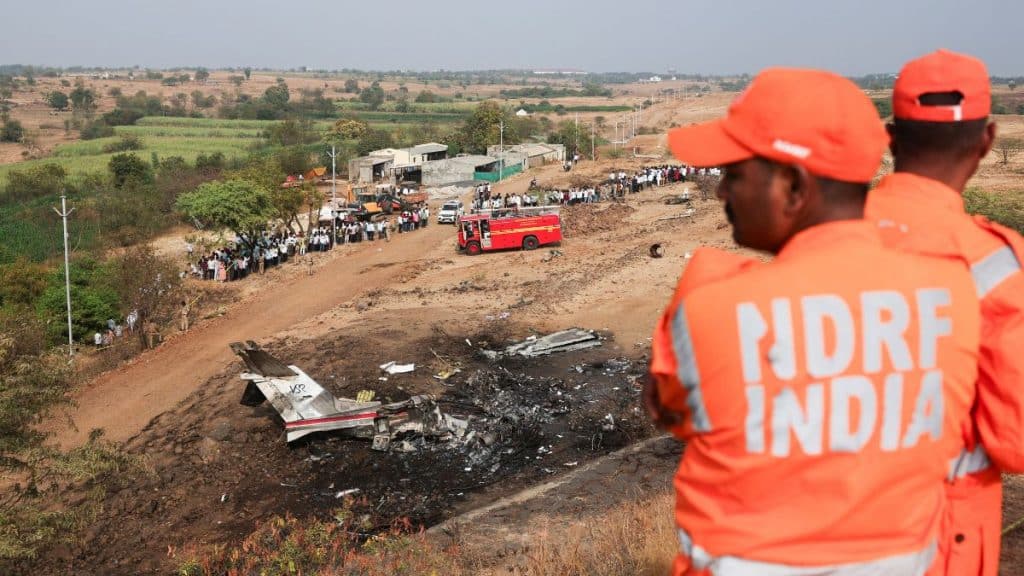
National Disaster Response Force (NDRF) personnel look at the wreckage of the Learjet 45 aircraft in which Maharashtra Deputy Chief Minister Ajit Pawar and four others were killed after it crashed in Baramati, January 28, 2026. Reuters
2. Ajit Pawar’s demise has stunned Maharashtra. The NCP chief had reshaped the politics of the state, emerging as one of the most powerful leaders. Politicians across party lines mourned his death. Ajit is survived by his wife, Rajya Sabha MP Sunetra Pawar, and their two sons — Parth and Jay. The 66-year-old was the nephew of NCP patriarch Sharad Pawar. This story looks at
3. India and the EU have announced the completion of formal talks on the long-awaited FTA. Under the pact, tariffs on European-made cars imported into India would be significantly reduced from the current 110 per cent to just 10 per cent. Not just cars, the deal will result in a sharp reduction in tariffs on most goods traded between the two sides.
The agreement has been hailed by both Prime Minister Narendra Modi and European Commission President Ursula von der Leyen, who was the chief guest at India’s Republic Day celebrations. “This agreement will bring major opportunities for the people of India and Europe,” Modi said. “It represents 25 per cent of the global GDP and one-third of global trade.” Von der Leyen posted on X, “India and Europe have made a clear choice. The choice of strategic partnership, dialogue and openness. We are showing a fractured world that another way is possible.” The pact will be implemented in about a year, but why has it not been signed yet? We
4. India’s free trade agreement with the EU comes at a time when New Delhi’s ties with the United States have frayed. While Washington is trying to pressure India with its high tariffs, New Delhi has advanced towards lowering dependence on the US.
India’s ties with the EU have strengthened over the years. The new trade deal could see European exports to India double by 2032, as per the bloc. Trade between India and the EU surpassed that between India and the US as well as between India and China. We take a look at how
5. The resurgence of Nipah virus cases in India has caused anxiety across Asia. The virus, which is transmitted from animals to humans, has a fatality rate of up to 75 per cent. Currently, there is no cure or vaccine for the infection.
Reports of multiple cases in West Bengal have spurred worries in China ahead of the Lunar New Year holiday, when travel increases. It has also led to screening measures at airports across Asia. Recently, a new study found that an oral antiviral medication could help manage outbreaks of the deadly virus, Chinese researchers say. Read
6. India celebrated its 77th Republic Day this week. European Council President Antonio Costa and European Commission President von der Leyen were the chief guests at the grand parade in New Delhi.
India showcased its military might on the Kartavya Path in the first R-Day parade since Operation Sindoor. From battle tanks and drones to hypersonic glide missiles, the country’s defence capabilities wowed the audience. There were also many firsts in this year’s parade. We take a look here.
India celebrated Republic Day with great enthusiasm and pride.
The magnificent parade at Kartavya Path showcased the strength of our democracy, the richness of our heritage and the unity that binds our nation together.
Here are some glimpses… pic.twitter.com/0wqbrR0Phx
— Narendra Modi (@narendramodi) January 26, 2026
7. The University Grants Commission (UGC) faced a huge backlash over its new equity regulations to prevent caste-based discrimination in colleges and universities. The rules defined “caste-based discrimination” as discrimination “only on the basis of caste or tribe” against members of the Scheduled Castes (SCs), Scheduled Tribes (STs), and Other Backward Classes (OBCs).
This led to nationwide outrage among the “upper-castes” who claimed the regulations were non-inclusionary. They also flagged concerns about their potential misuse. The Supreme Court has now put the UGC’s new rules in abeyance. But what were in the statutory body’s regulations? We explain here.
This is all we have for you this week. If you like our analyses of the latest news, you can bookmark this page.