





What is the story about?
The Iran war is now well into its third week.
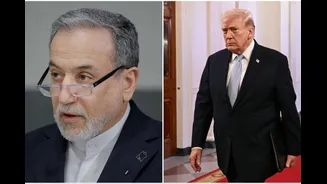
US President Donald Trump earlier this week shocked many by announcing that the two countries were holding negotiations to bring the conflict to an end.
Tehran, meanwhile, confused the issue by denying that any such negotiations were occurring. However, there were then reports that Egypt, Turkey and Pakistan were acting as go-betweens. Even more confusingly, the US media reported that Trump was proposing a 15-point plan.
But who wants what?
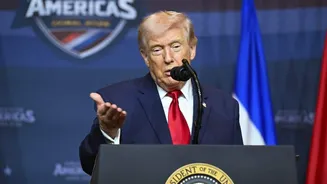
Trump’s demands have been all over the place. He has alternated between claiming that Iran has been ‘totally defeated’ and calling for Iran to surrender its nuclear programme and vow not to pursue it in the future. Trump has also said that he wants him and the ‘next Ayatollah’ to share control of the Strait of Hormuz. He also wants Iran to contain its missile production and, in the future, undertake only defensive actions.
Interestingly, former Biden NSA Jake Sullivan, appearing on The Daily Show with Jon Stewart, claimed US negotiators simply did not understand the deal Iran was offering prior to the attack. Sullivan, during the Obama administration, took part in negotiations with Abbas Araghchi, who was representing Iran.
“Just a few days before we started bombing Iran, the Iranians put a proposal on the table in Geneva that went a long way towards resolving the nuclear issue. And my understanding is that our side, our negotiators, simply didn’t understand what they were being offered, and they ignored it and decided to go ahead and strike anyway,” Sullivan said.
According to The Times of Israel, Iran wants security guarantees from America that the fighting will not begin again and that Washington will not strike Tehran in the future. Officials also want to ensure that the Strait of Hormuz is under their control and that they can charge ships to cross the channel.
Tehran also wants all US bases shut across the region and reparations for damage caused by the US.
“The war will continue until all damages to Iran are compensated and sanctions on it are lifted,” Mohsen Rezaei, military adviser to Iran’s Supreme Leader Mojtaba Khamenei, said.
Iran said it may be willing to halt its ballistic missile programme for five years, reduce its uranium enrichment, and discuss its stockpile of 60 per cent enriched uranium. Channel 12 reported that Tehran could allow International Atomic Energy Agency inspections of its centrifuges.
Tehran could also promise to stop funding regional proxy groups, including Hezbollah, Hamas, and Iraqi militias. Iran also wants an end to Israeli strikes, including on its ally Hezbollah.
According to The Times of India, Trump officials have dubbed the demands ‘ridiculous and unrealistic’.
Iranian strategists may also be unwilling to trust agreements with the US and Israel after coming under attack following an earlier deal last year, despite being involved in talks that were then ongoing. They have also watched Israel continuing to strike Lebanon and Gaza after ceasefires there.
Inside Iran, domestic concerns are also constraining Tehran's manoeuvring room in negotiations, the senior Iranian sources said.
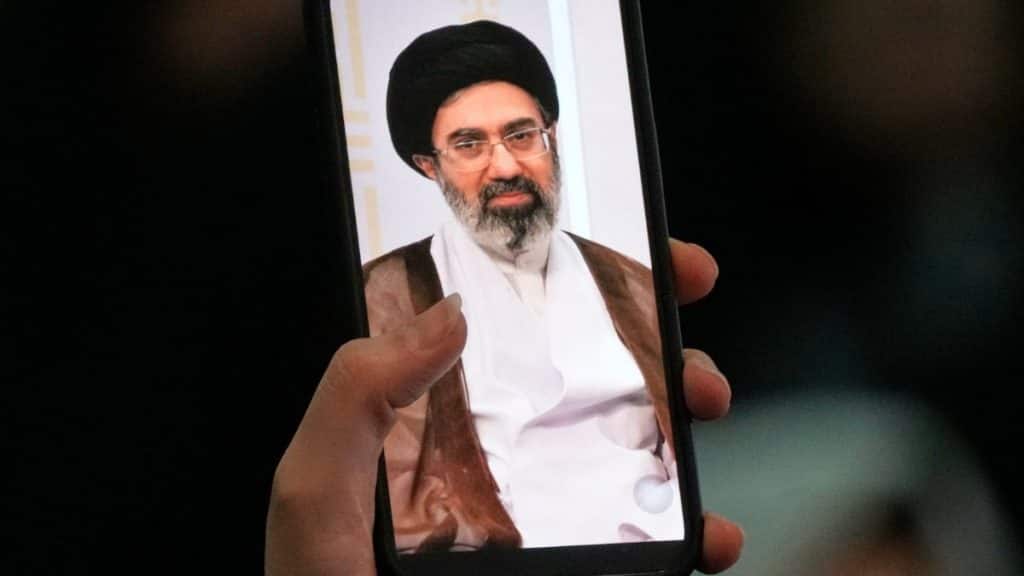
These concerns include the greater clout of the Revolutionary Guards, uncertainty at the top of the system, with the new Supreme Leader Mojtaba Khamenei not yet appearing in photographs or video since his appointment, and a public narrative of resilience in the war.
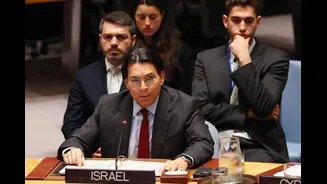
Israel has made no secret of the fact that it wants to conduct regime change in Iran. As per CNN, Tel Aviv is also looking to reshape West Asia in its own image and cut off Iranian proxies in the region.
Benjamin Netanyahu on Monday said that the US president believed it was possible to leverage “the mighty achievements obtained by [the Israeli military] and the US military to realise the goals of the war in an agreement … that will safeguard our vital interests”.
“In parallel, we continue to attack, both in Iran and Lebanon,” the prime minister added. “We are methodically dismantling the missile programme and the nuclear programme, and continue to hit Hezbollah hard.”
Three senior Israeli officials also said on Tuesday that, although Trump seemed determined to reach a deal, they viewed it as unlikely that Tehran would agree to US demands, which they believed would include an end to Iran's ballistic missile and nuclear programmes.
As per CNN, Gulf Arab states are looking for stability and economic prosperity.
Many nations in the region, including Saudi Arabia, the United Arab Emirates, Qatar, Kuwait and Bahrain, now consider the Iranian regime a direct and long-term threat to their safety. They are looking to end the war with security guarantees.
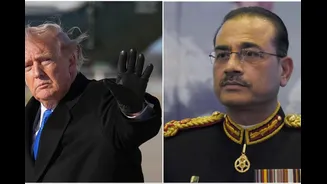
Pakistan’s Prime Minister Shehbaz Sharif has offered to host talks between Iran and the United States. This is because Islamabad wants to enhance its credibility on the world stage.
Iran’s Foreign Ministry spokesperson Esmaeil Baghaei has said that Tehran believes Pakistan has “good intentions”. Baghaei said Iranian Foreign Minister Abbas Araghchi has been in touch with his Pakistani counterpart, as well as other diplomats.
“So these kinds of talks are going on between Iran and its neighbours and other friendly countries. We understand that the countries of the region, the neighbouring countries, are concerned about the consequences, and everyone is trying to somehow help the situation come to a sort of calmness,” he said.
Masood Khan, a former Pakistani ambassador to the US and UN, told Al Jazeera that both the US and Iran need a “diplomatic exit ramp”.
“Historically, the fiercer the war, the greater the need for off-ramps,” he said. “Military escalation running parallel to behind-the-scenes diplomacy is designed to signal deterrent strength of the warring nations. It does not undermine talks per se, but it does tend to raise the risk premium across the spectrum and reduce political space for compromise.”
Former Israeli ambassador Alon Pinkas told the outlet that “Netanyahu may have duped [Trump] on how quick and resounding a victory would be, and how viable regime change is”.
Political scientist Ori Goldberg added that the developments were a ‘defeat’ for Netanyahu.
“It’s Trump essentially ditching Israel. For now, at least, we’ll still be able to destroy Lebanon and starve Gaza, but any idea that we’re a serious player that the US or any state would want to talk with has gone. Nobody wants to talk to us.”
1) What does the US want from Iran?
The United States wants Iran to abandon its nuclear programme, limit its missile capabilities, and reduce its regional influence, particularly through proxy groups.
2) What are Iran’s main demands?
Iran is seeking security guarantees against future US attacks, lifting of sanctions, compensation for war damages, and continued control over the Strait of Hormuz.
3) Why is Israel opposed to a simple ceasefire deal?
Israel aims for deeper strategic outcomes, including weakening or replacing Iran’s regime and dismantling its nuclear and missile programmes, which goes beyond a temporary ceasefire.
With inputs from agencies
US President Donald Trump earlier this week shocked many by announcing that the two countries were holding negotiations to bring the conflict to an end.
Tehran, meanwhile, confused the issue by denying that any such negotiations were occurring. However, there were then reports that Egypt, Turkey and Pakistan were acting as go-betweens. Even more confusingly, the US media reported that Trump was proposing a 15-point plan.
But who wants what?
US
Trump’s demands have been all over the place. He has alternated between claiming that Iran has been ‘totally defeated’ and calling for Iran to surrender its nuclear programme and vow not to pursue it in the future. Trump has also said that he wants him and the ‘next Ayatollah’ to share control of the Strait of Hormuz. He also wants Iran to contain its missile production and, in the future, undertake only defensive actions.
Interestingly, former Biden NSA Jake Sullivan, appearing on The Daily Show with Jon Stewart, claimed US negotiators simply did not understand the deal Iran was offering prior to the attack. Sullivan, during the Obama administration, took part in negotiations with Abbas Araghchi, who was representing Iran.
“Just a few days before we started bombing Iran, the Iranians put a proposal on the table in Geneva that went a long way towards resolving the nuclear issue. And my understanding is that our side, our negotiators, simply didn’t understand what they were being offered, and they ignored it and decided to go ahead and strike anyway,” Sullivan said.
Iran
According to The Times of Israel, Iran wants security guarantees from America that the fighting will not begin again and that Washington will not strike Tehran in the future. Officials also want to ensure that the Strait of Hormuz is under their control and that they can charge ships to cross the channel.
Tehran also wants all US bases shut across the region and reparations for damage caused by the US.
“The war will continue until all damages to Iran are compensated and sanctions on it are lifted,” Mohsen Rezaei, military adviser to Iran’s Supreme Leader Mojtaba Khamenei, said.
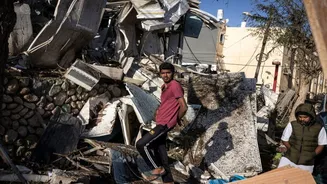
Tehran also wants all US bases shut across the region and reparations for damage caused by the US. AP
Iran said it may be willing to halt its ballistic missile programme for five years, reduce its uranium enrichment, and discuss its stockpile of 60 per cent enriched uranium. Channel 12 reported that Tehran could allow International Atomic Energy Agency inspections of its centrifuges.
Tehran could also promise to stop funding regional proxy groups, including Hezbollah, Hamas, and Iraqi militias. Iran also wants an end to Israeli strikes, including on its ally Hezbollah.
According to The Times of India, Trump officials have dubbed the demands ‘ridiculous and unrealistic’.
Iranian strategists may also be unwilling to trust agreements with the US and Israel after coming under attack following an earlier deal last year, despite being involved in talks that were then ongoing. They have also watched Israel continuing to strike Lebanon and Gaza after ceasefires there.
Inside Iran, domestic concerns are also constraining Tehran's manoeuvring room in negotiations, the senior Iranian sources said.
These concerns include the greater clout of the Revolutionary Guards, uncertainty at the top of the system, with the new Supreme Leader Mojtaba Khamenei not yet appearing in photographs or video since his appointment, and a public narrative of resilience in the war.
Israel
Israel has made no secret of the fact that it wants to conduct regime change in Iran. As per CNN, Tel Aviv is also looking to reshape West Asia in its own image and cut off Iranian proxies in the region.
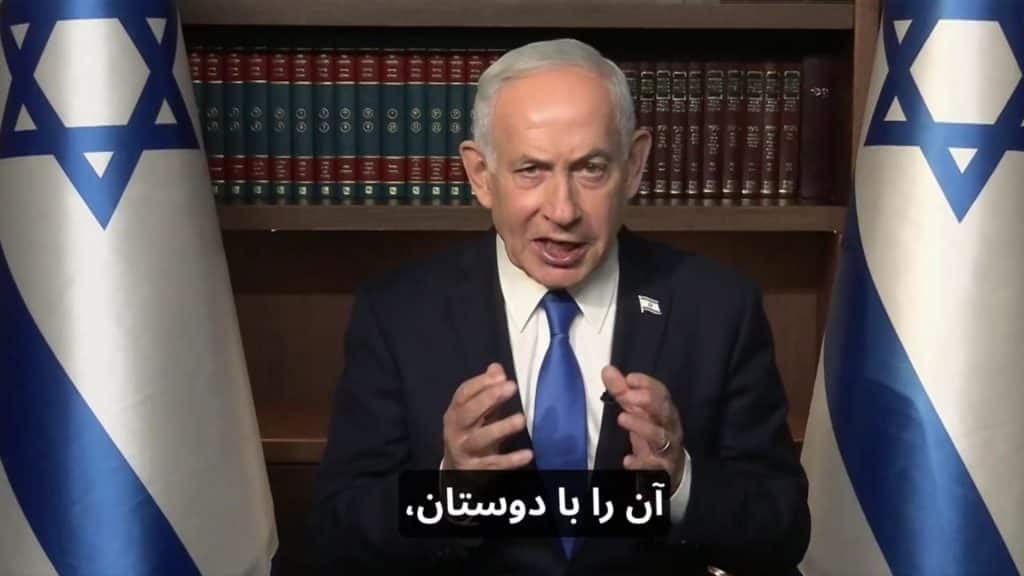
Benjamin Netanyahu on Monday said that the US president believed it was possible to leverage “the mighty achievements obtained by [the Israeli military] and the US military to realise the goals of the war in an agreement … that will safeguard our vital interests”.
Netanyahu issued a video saying he had spoken with Donald Trump, adding that the US President believes recent US-Israeli military gains against Iran could be turned into a negotiated agreement that safeguards Israel’s interests.(X/screengrab)
“In parallel, we continue to attack, both in Iran and Lebanon,” the prime minister added. “We are methodically dismantling the missile programme and the nuclear programme, and continue to hit Hezbollah hard.”
Three senior Israeli officials also said on Tuesday that, although Trump seemed determined to reach a deal, they viewed it as unlikely that Tehran would agree to US demands, which they believed would include an end to Iran's ballistic missile and nuclear programmes.
West Asian nations
As per CNN, Gulf Arab states are looking for stability and economic prosperity.
Many nations in the region, including Saudi Arabia, the United Arab Emirates, Qatar, Kuwait and Bahrain, now consider the Iranian regime a direct and long-term threat to their safety. They are looking to end the war with security guarantees.
Pakistan
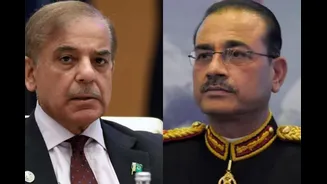
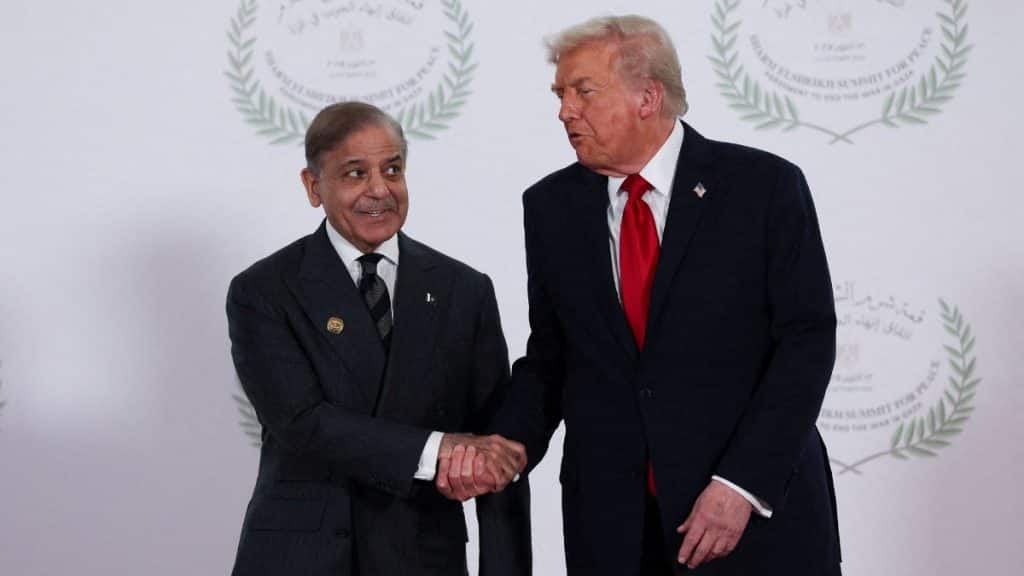
Pakistan’s Prime Minister Shehbaz Sharif has offered to host talks between Iran and the United States. This is because Islamabad wants to enhance its credibility on the world stage.
Iran’s Foreign Ministry spokesperson Esmaeil Baghaei has said that Tehran believes Pakistan has “good intentions”. Baghaei said Iranian Foreign Minister Abbas Araghchi has been in touch with his Pakistani counterpart, as well as other diplomats.
Sharif said that Pakistan “fully supports ongoing efforts to pursue dialogue” to end the war, adding that Islamabad would be “ready and honoured” to host negotiations if both sides agree. File Image/Reuters
“So these kinds of talks are going on between Iran and its neighbours and other friendly countries. We understand that the countries of the region, the neighbouring countries, are concerned about the consequences, and everyone is trying to somehow help the situation come to a sort of calmness,” he said.
What do experts say?
Masood Khan, a former Pakistani ambassador to the US and UN, told Al Jazeera that both the US and Iran need a “diplomatic exit ramp”.
“Historically, the fiercer the war, the greater the need for off-ramps,” he said. “Military escalation running parallel to behind-the-scenes diplomacy is designed to signal deterrent strength of the warring nations. It does not undermine talks per se, but it does tend to raise the risk premium across the spectrum and reduce political space for compromise.”
Former Israeli ambassador Alon Pinkas told the outlet that “Netanyahu may have duped [Trump] on how quick and resounding a victory would be, and how viable regime change is”.
Political scientist Ori Goldberg added that the developments were a ‘defeat’ for Netanyahu.
“It’s Trump essentially ditching Israel. For now, at least, we’ll still be able to destroy Lebanon and starve Gaza, but any idea that we’re a serious player that the US or any state would want to talk with has gone. Nobody wants to talk to us.”
FAQs
1) What does the US want from Iran?
The United States wants Iran to abandon its nuclear programme, limit its missile capabilities, and reduce its regional influence, particularly through proxy groups.
2) What are Iran’s main demands?
Iran is seeking security guarantees against future US attacks, lifting of sanctions, compensation for war damages, and continued control over the Strait of Hormuz.
3) Why is Israel opposed to a simple ceasefire deal?
Israel aims for deeper strategic outcomes, including weakening or replacing Iran’s regime and dismantling its nuclear and missile programmes, which goes beyond a temporary ceasefire.
With inputs from agencies