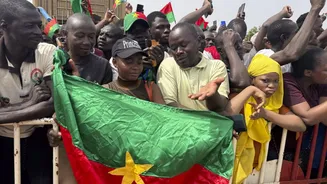






In a sharp diplomatic move, Mali and Burkina Faso announced they’ll ban US citizens from entering their countries.
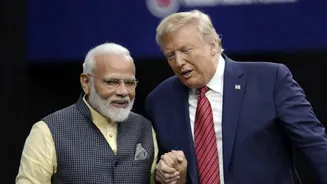
This comes as a direct response to President Donald Trump’s expanded travel restrictions that include nationals from both West African nations. The decisions, made late on Tuesday, shed light on the growing tensions between the United States and the military-led governments of these Sahel states, which have already been at odds with Western powers over governance and security issues.
Officials in Bamako and Ouagadougou described their new measures as rooted in the principle of reciprocity—“doing to others as they do to you”. For the people and governments of Mali and Burkina Faso, this is a symbolic assertion of sovereignty and a rebuke to what they see as unfriendly foreign policy.
Tit-for-tat visa moves
The US travel restrictions that triggered this response were signed on 16 December and take effect from January 1, 2026. They expanded an existing list of banned and restricted countries to include Mali, Burkina Faso and Niger among others, citing national security concerns and what the US government says is “inadequate information” about travellers from these nations.
In an official statement, Mali’s foreign ministry said: “In accordance with the principle of reciprocity … the Government of the Republic of Mali will apply the same conditions and requirements to US nationals as those imposed on Malian citizens.”
A similar declaration came from Burkina Faso’s foreign minister, Karamoko Jean-Marie Traoré, who cited the same reasons for barring US nationals from entering his country.
For the Sahel nations, which are grappling with persistent insecurity and armed group violence, the dispute over travel visas is part of a broader friction with Western powers. Both Mali and Burkina Faso are run by military juntas that have distanced themselves from the Economic Community of West African States (Ecowas) and sought alternative partnerships with external actors.