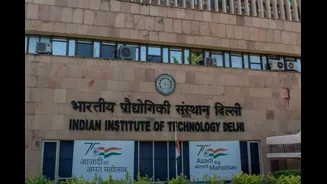

The Maharashtra government along with IIT Bombay built an AI-based tool which helps to identify suspected illegal Bangladeshi and Rohingya migrants residing in the state. The AI tool will help and study how a person speaks, including accents, tone, and certain linguistic patterns, to identify the individuals who do not have valid Indian documents.
The AI tool will help the authorities, helping as a support system and not just a final proof of nationality. The plan is still under the process, which triggered a mix of political messaging, public debate, and questions about rights and accuracy.
The project was released after Maharashtra Chief Minister Devendra Fadnavis mentioned about the tool during the election manifesto. Fadnavis assured the government's promise of “free Mumbai” saying that technology can play a key role in identifying the illegal migrants.
According to the sources, the AI model has been under testing for some time, but is still far from perfect. The results performed in early time suggests about 60 per cent of accuracy.
The government believes that the project will flourish, improving the data quality and making finer requirements into it. Civil rights activists and tech experts have raised red flags, warning that language-based identification can easily go wrong.
The activists also pointed out that many Indian citizens, from west Bengal, Assam, and border regions, are identical to Bangladeshis. They suggest that could lead innocent people to be wrongly flagged.
There have been privacy concerns. Questions are being asked about how the voice samples will be collected, and whether people will be aware that they are being paralysed. The government has not shared detailed answers on these aspects.
Apart from the AI initiative, the state indicated plans to set up detention centres for the undocumented migrants before deportation.