




What is the story about?
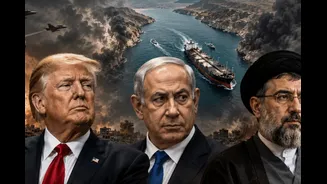
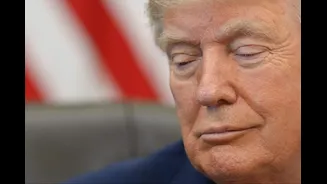
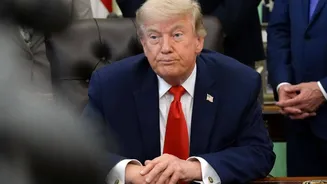
In an interview with the New York Times on Sunday afternoon, US President Donald Trump warned that if Iran failed to reach a final nuclear accord with the United States, he would restart military attacks on Tehran and make Washington “the guardian of the Middle East” in return for 20 per cent of the region’s revenues.
In a 28-minute phone call with the NYT, Trump said that the agreement that has been reached with Iran would ultimately ensure that the Strait of Hormuz is “permanently toll-free”. He went on to argue that despite Israeli Prime Minister Benjamin Netanyahu's objections, the United States saved Israel from nuclear obliteration.
While speaking on his 80th birthday, Trump also lauded two authoritarian leaders, Chinese President Xi Jinping and Russian President Vladimir Putin , for aiding in the settlement. Trump eventually excoriated Netanyahu for mounting attacks that nearly derailed the final agreement.
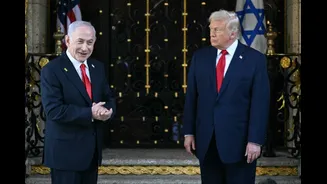
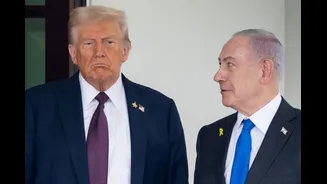
While expressing his discontent with Netanyahu, Trump said that the Israeli premier is "a very difficult guy". “And to be honest with you, he should be very thankful to us for doing this. Because if Iran had a nuclear weapon, Israel wouldn’t be around for two hours," he added.
While the text of the agreement has not yet been published, Trump said that there will be follow-up negotiations. The memorandum of understanding, for example, only suspends tolls in the strait for 60 days, and then promises a regional dialogue about the future.
It is pertinent to note that Iran has never charged tolls before the war, so Trump is basically celebrating the return to the status quo. He went on to compare his memorandum with that of the 2015 agreement reached between former President Barack Obama and Iran’s leadership, arguing that his agreement will ensure that Iran “cannot develop or purchase a nuclear weapon.”
However, Iran agreed to that when it first ratified the Nuclear Nonproliferation Treaty in 1970, and reaffirmed that agreement on the first page of the Obama-era accord. Hence, the agreement hasn't brought any drastic changes in the dynamic of West Asia.
In a 28-minute phone call with the NYT, Trump said that the agreement that has been reached with Iran would ultimately ensure that the Strait of Hormuz is “permanently toll-free”. He went on to argue that despite Israeli Prime Minister Benjamin Netanyahu's objections, the United States saved Israel from nuclear obliteration.
While speaking on his 80th birthday, Trump also lauded two authoritarian leaders, Chinese President Xi Jinping and Russian President Vladimir Putin , for aiding in the settlement. Trump eventually excoriated Netanyahu for mounting attacks that nearly derailed the final agreement.
Trump boasts his own might
While expressing his discontent with Netanyahu, Trump said that the Israeli premier is "a very difficult guy". “And to be honest with you, he should be very thankful to us for doing this. Because if Iran had a nuclear weapon, Israel wouldn’t be around for two hours," he added.
While the text of the agreement has not yet been published, Trump said that there will be follow-up negotiations. The memorandum of understanding, for example, only suspends tolls in the strait for 60 days, and then promises a regional dialogue about the future.
It is pertinent to note that Iran has never charged tolls before the war, so Trump is basically celebrating the return to the status quo. He went on to compare his memorandum with that of the 2015 agreement reached between former President Barack Obama and Iran’s leadership, arguing that his agreement will ensure that Iran “cannot develop or purchase a nuclear weapon.”
However, Iran agreed to that when it first ratified the Nuclear Nonproliferation Treaty in 1970, and reaffirmed that agreement on the first page of the Obama-era accord. Hence, the agreement hasn't brought any drastic changes in the dynamic of West Asia.