






What is the story about?
At the time of launching the war, the United States and Israel had decided to install former President Mahmoud Ahmadinejad as Iran’s new leader after overthrowing the country’s theocratic regime, according to The New York Times.
Ahmadinejad initially supported the plan but later grew disillusioned. Moreover, the plan failed as the Iranian regime remains in place.
The Times reported that Israel had developed the plan to prop up Ahmadinejad after consultations with him.
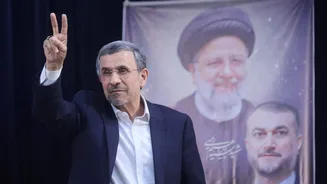
Ahmadinejad served as Iran’s president from 2005 to 2013 and was known as a hardliner. He championed Iran’s nuclear programme, staunchly opposed the United States and Israel, and publicly called for Israel to be wiped off the map.
Follow our live coverage of the West Asia crisis here
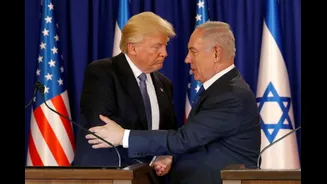
The report comes at a time when US-Iran talks appear to have reached an impasse amid concerns that US President Donald Trump and Israeli Prime Minister Benjamin Netanyahu could resume the war. For more than a month, the two sides have observed an uneasy truce even as they have relied on economic coercion to inflict enough economic pain to make the other side blink first.
By propping up Ahmadinejad, Trump and Netanyahu appeared to be attempting to implement the ‘Venezuela model’ in Iran.
In Venezuela, Trump partnered with influential sections of the regime to remove President Nicolas Maduro and install a pliant Delcy Rodriguez in his place. Trump’s statements from the initial days of the war suggest he wanted to do something similar in Iran.
After urging Iranians to overthrow the regime, Trump had publicly said it would be best if “someone from within” took over the country. How Trump and Netanyahu identified Ahmadinejad as that person is not known.
The Times report said it was a “multistage plan” developed by Israel to topple Iran’s theocratic regime.
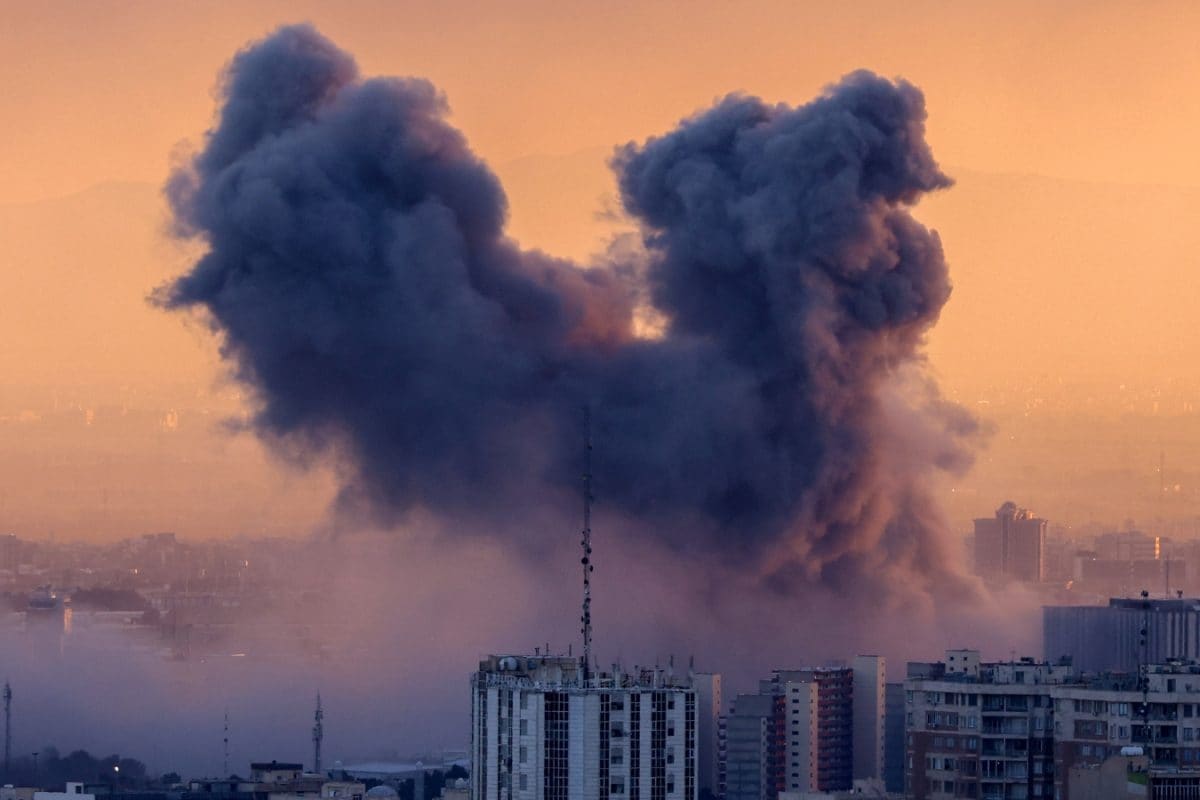
But the plan’s failure highlights how badly Netanyahu and Trump misjudged the situation. They overestimated their ability to destroy the Iranian military, underestimated the resilience of the Iranian regime, and were completely wrong about the level of domestic support they believed the war would generate. More than two months later, the Iranian regime stands stronger than it did before the war, with its missile capabilities largely intact.
At the time the United States and Israel launched the war on Iran, Ahmadinejad was under house arrest in Tehran after falling out of favour with the regime.
Israel conducted an airstrike on his home to free Ahmadinejad from house arrest, but he was injured in the strike and became disillusioned with the plan. Ahmadinejad has not been seen since the war began, and his whereabouts and condition remain unknown.
As Ahmadinejad had emerged as a critic of the regime in recent years, American and Israeli officials saw him as a potential leader of a new Iranian regime, according to The Times.
Americans viewed Ahmadinejad as someone who could lead Iran and had the capability to manage “Iran’s political, social, and military situation”, one of his associates told the newspaper.
Had the plan gone through, Ahmadinejad would have been able to “play a very important role” in Iran in the near future, the associate said.
But the American-Israeli plan was botched like the rest of the war. For example, while the strike on his home was meant to kill regime personnel keeping him under house arrest, it injured him as well.
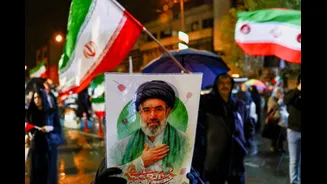
Similarly, the opening salvo that killed then-Supreme Leader Ayatollah Ali Khamenei also killed some officials whom the White House had identified as more willing to cut a deal.
Ahmadinejad initially supported the plan but later grew disillusioned. Moreover, the plan failed as the Iranian regime remains in place.
The Times reported that Israel had developed the plan to prop up Ahmadinejad after consultations with him.
Ahmadinejad served as Iran’s president from 2005 to 2013 and was known as a hardliner. He championed Iran’s nuclear programme, staunchly opposed the United States and Israel, and publicly called for Israel to be wiped off the map.
Follow our live coverage of the West Asia crisis here
The report comes at a time when US-Iran talks appear to have reached an impasse amid concerns that US President Donald Trump and Israeli Prime Minister Benjamin Netanyahu could resume the war. For more than a month, the two sides have observed an uneasy truce even as they have relied on economic coercion to inflict enough economic pain to make the other side blink first.
Trump & Netanyahu wanted to implement ‘Venezuela model’ in Iran
By propping up Ahmadinejad, Trump and Netanyahu appeared to be attempting to implement the ‘Venezuela model’ in Iran.
In Venezuela, Trump partnered with influential sections of the regime to remove President Nicolas Maduro and install a pliant Delcy Rodriguez in his place. Trump’s statements from the initial days of the war suggest he wanted to do something similar in Iran.
After urging Iranians to overthrow the regime, Trump had publicly said it would be best if “someone from within” took over the country. How Trump and Netanyahu identified Ahmadinejad as that person is not known.
The Times report said it was a “multistage plan” developed by Israel to topple Iran’s theocratic regime.
But the plan’s failure highlights how badly Netanyahu and Trump misjudged the situation. They overestimated their ability to destroy the Iranian military, underestimated the resilience of the Iranian regime, and were completely wrong about the level of domestic support they believed the war would generate. More than two months later, the Iranian regime stands stronger than it did before the war, with its missile capabilities largely intact.
At the time the United States and Israel launched the war on Iran, Ahmadinejad was under house arrest in Tehran after falling out of favour with the regime.
Israel conducted an airstrike on his home to free Ahmadinejad from house arrest, but he was injured in the strike and became disillusioned with the plan. Ahmadinejad has not been seen since the war began, and his whereabouts and condition remain unknown.
The unlikely leader and the unlikeliest plan
As Ahmadinejad had emerged as a critic of the regime in recent years, American and Israeli officials saw him as a potential leader of a new Iranian regime, according to The Times.
Americans viewed Ahmadinejad as someone who could lead Iran and had the capability to manage “Iran’s political, social, and military situation”, one of his associates told the newspaper.
Had the plan gone through, Ahmadinejad would have been able to “play a very important role” in Iran in the near future, the associate said.
But the American-Israeli plan was botched like the rest of the war. For example, while the strike on his home was meant to kill regime personnel keeping him under house arrest, it injured him as well.
Similarly, the opening salvo that killed then-Supreme Leader Ayatollah Ali Khamenei also killed some officials whom the White House had identified as more willing to cut a deal.