







What is the story about?
Since the start of 2026, both precious metals have soared to new heights.
Gold was up double digits, while silver witnessed a spike of over 50 per cent. On Thursday (late January 2026), spot gold and silver hit record highs in the international market.
Then, suddenly, trillions in notional market value across precious-metal markets were erased in a wild day.
Monday witnessed gold and silver continue their trend of declining over the past few days.
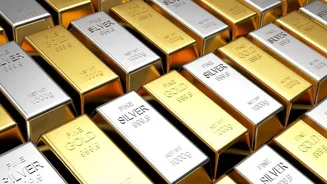
Gold, which had hit a record high of around $5,594–$5,626 per ounce (approximately Rs 5.12–Rs 5.15 lakh) on Thursday, fell sharply. By early February 2, spot and futures prices were trading in the $4,500–$4,700 per ounce range (approximately Rs 4.12–Rs 4.30 lakh). This represented drops of around four to eight per cent on Monday.
The price of gold in India also dropped sharply. Around the Union Budget unveiling on Sunday, 24-karat gold was near Rs 1.60–Rs 1.69 lakh per 10 grams. By Monday, it declined to around Rs 1.51–Rs 1.52 lakh per 10 grams.
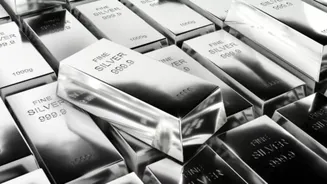
Silver, which had outperformed every asset class thus far in 2026, reached a record high of $121.64 per ounce (approximately Rs 11,140) on Thursday. By Friday, silver lost over 30 per cent, its worst fall since 1980. On Monday, silver prices fell further to around $73–$80 per ounce (approximately Rs 6,680–Rs 7,320).
In India, silver, which had touched a record high of Rs 4.20 lakh per kilogram, was around Rs 3.50 lakh per kilogram on Sunday. By Monday, it declined to around Rs 3.45 lakh per kilogram.
Gold and silver ETFs have also come under heavy pressure in recent days. As gold and silver prices dropped in the international markets, ETFs tracking the metals witnessed heavy declines. Gold ETFs fell by three to six per cent, while silver ETFs saw steeper drops of 10 to 15 per cent, prompting exchanges to impose circuit limits to rein in extreme volatility.
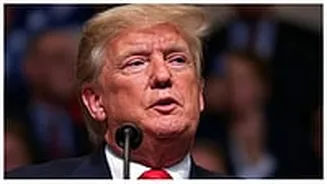
Over the past few days, the prices of gold and silver have consistently declined amid extreme volatility, triggered by factors such as a strengthening US dollar, profit-booking, and the nomination of Kevin Warsh as Federal Reserve chair by US President Donald Trump. Warsh is widely regarded as a hawk on inflation, a stance that has added to uncertainty over the future path of interest rates.
“The Warsh nomination, whilst likely being the initial trigger, did not justify the size of the downward move in precious metals, with forced liquidations and margin increases having a cascading effect,” said Tim Waterer, Chief Trade Analyst at KCM.
Also impacting metal prices is news that the CME Group announced hikes in margins on its metal futures. The group raised margins on COMEX gold futures from 6 per cent to 8 per cent, while COMEX 5,000-ounce silver futures were hiked from 11 per cent to 15 per cent. The changes are set to take effect on Monday after markets close.
As for what investors should do, it depends on two factors – the precious metal and the investor’s profile.
Let’s start with gold. Despite the losses in recent days, many experts remain bullish on the precious metal in the medium and long term.
JP Morgan maintains a bullish outlook, forecasting gold prices towards $5,000–$6,300 per ounce (approximately Rs 4.58–Rs 5.77 lakh) by end-2026, citing robust demand from central banks. It estimates that central banks would acquire around 800 tonnes of gold in 2026.
“We remain firmly bullishly convicted in gold over the medium term on the back of a clean, structural, continued diversification trend that has further to run amid a still well-entrenched regime of real-asset outperformance versus paper assets,” the brokerage said in recent notes.
Many experts continue to recommend gold as a valuable part of an investor’s portfolio for diversification. The precious metal also performs well in times of geopolitical turbulence and economic uncertainty.
When it comes to silver, some experts are more cautious.
JP Morgan notes that silver’s price drivers have become harder to pinpoint and quantify, with no equivalent central-bank demand like gold. It sees a higher average floor around $75–$80 per ounce (approximately Rs 6,870–Rs 7,320) for now, even after overshooting in its catch-up to gold, though silver is unlikely to fully relinquish gains.
The fact that the silver market is relatively small means a handful of investors making large moves can significantly impact the entire market, which can increase volatility.
“We have maintained a cautious stance on silver following its parabolic move and have suggested trimming overallocation to precious metals to realign portfolios with long-term strategic allocation levels. While it is prudent to wait for further information and trend confirmation, we currently prefer gold from a relative risk-reward perspective,” Siddharth Srivastava, Head – ETF Product & Fund Manager, Mirae Asset Investment Managers (India), told
Moneycontrol.
However, others remain bullish on both metals.
Abhinav Tiwari, Research Analyst at Bonanza, told the outlet that this was likely more of a necessary and natural correction than a complete reversal. “Record central-bank buying, silver’s persistent supply deficit, and geopolitical tensions provide a solid floor,” Tiwari said. In short, those investing in gold for the long term can remain invested. On the other hand, those with silver ought to think carefully what to do next.
With inputs from agencies
Gold was up double digits, while silver witnessed a spike of over 50 per cent. On Thursday (late January 2026), spot gold and silver hit record highs in the international market.
Then, suddenly, trillions in notional market value across precious-metal markets were erased in a wild day.
Gold, silver fall yet again
Monday witnessed gold and silver continue their trend of declining over the past few days.
Gold, which had hit a record high of around $5,594–$5,626 per ounce (approximately Rs 5.12–Rs 5.15 lakh) on Thursday, fell sharply. By early February 2, spot and futures prices were trading in the $4,500–$4,700 per ounce range (approximately Rs 4.12–Rs 4.30 lakh). This represented drops of around four to eight per cent on Monday.
The price of gold in India also dropped sharply. Around the Union Budget unveiling on Sunday, 24-karat gold was near Rs 1.60–Rs 1.69 lakh per 10 grams. By Monday, it declined to around Rs 1.51–Rs 1.52 lakh per 10 grams.
Silver, which had outperformed every asset class thus far in 2026, reached a record high of $121.64 per ounce (approximately Rs 11,140) on Thursday. By Friday, silver lost over 30 per cent, its worst fall since 1980. On Monday, silver prices fell further to around $73–$80 per ounce (approximately Rs 6,680–Rs 7,320).
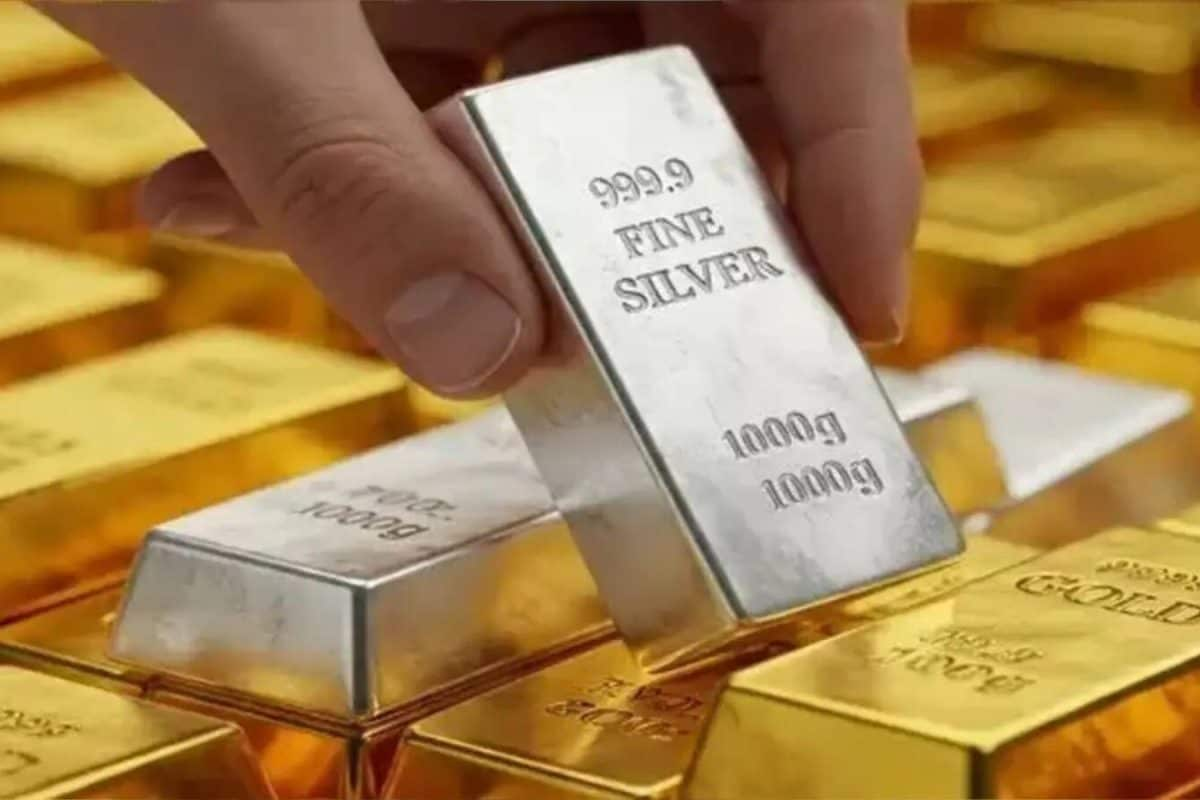
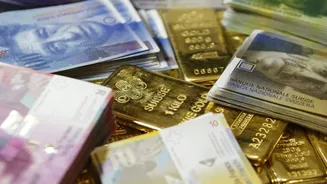
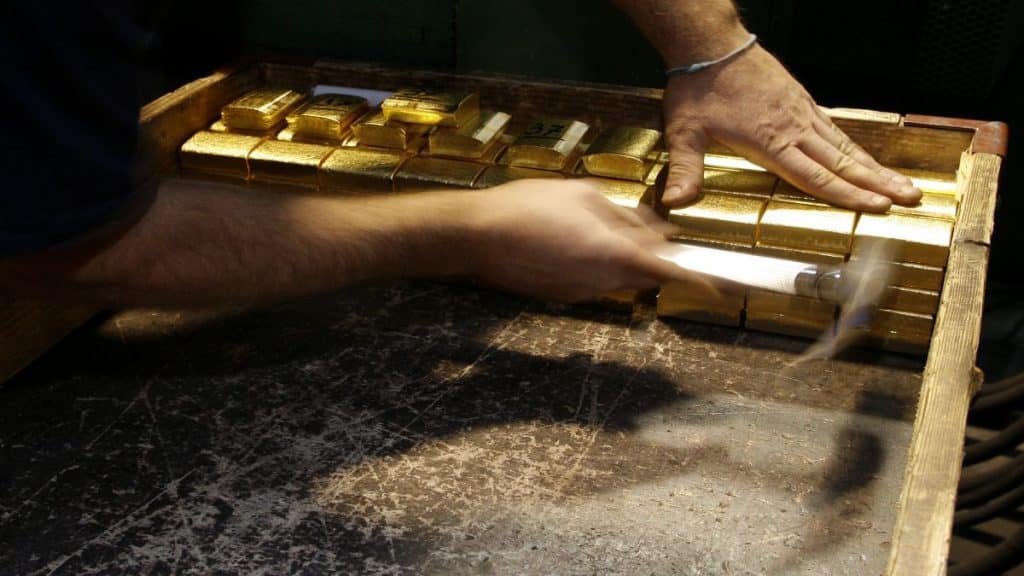
Gold is up double digits in 2026. Reuters
In India, silver, which had touched a record high of Rs 4.20 lakh per kilogram, was around Rs 3.50 lakh per kilogram on Sunday. By Monday, it declined to around Rs 3.45 lakh per kilogram.
Gold and silver ETFs have also come under heavy pressure in recent days. As gold and silver prices dropped in the international markets, ETFs tracking the metals witnessed heavy declines. Gold ETFs fell by three to six per cent, while silver ETFs saw steeper drops of 10 to 15 per cent, prompting exchanges to impose circuit limits to rein in extreme volatility.
Why this is happening
Over the past few days, the prices of gold and silver have consistently declined amid extreme volatility, triggered by factors such as a strengthening US dollar, profit-booking, and the nomination of Kevin Warsh as Federal Reserve chair by US President Donald Trump. Warsh is widely regarded as a hawk on inflation, a stance that has added to uncertainty over the future path of interest rates.
“The Warsh nomination, whilst likely being the initial trigger, did not justify the size of the downward move in precious metals, with forced liquidations and margin increases having a cascading effect,” said Tim Waterer, Chief Trade Analyst at KCM.
Also impacting metal prices is news that the CME Group announced hikes in margins on its metal futures. The group raised margins on COMEX gold futures from 6 per cent to 8 per cent, while COMEX 5,000-ounce silver futures were hiked from 11 per cent to 15 per cent. The changes are set to take effect on Monday after markets close.
What investors should do
As for what investors should do, it depends on two factors – the precious metal and the investor’s profile.
Let’s start with gold. Despite the losses in recent days, many experts remain bullish on the precious metal in the medium and long term.
JP Morgan maintains a bullish outlook, forecasting gold prices towards $5,000–$6,300 per ounce (approximately Rs 4.58–Rs 5.77 lakh) by end-2026, citing robust demand from central banks. It estimates that central banks would acquire around 800 tonnes of gold in 2026.
“We remain firmly bullishly convicted in gold over the medium term on the back of a clean, structural, continued diversification trend that has further to run amid a still well-entrenched regime of real-asset outperformance versus paper assets,” the brokerage said in recent notes.
Many experts continue to recommend gold as a valuable part of an investor’s portfolio for diversification. The precious metal also performs well in times of geopolitical turbulence and economic uncertainty.
The fact that the silver market is relatively small means a handful of investors making large moves can significantly impact the entire market, which can increase volatility.
When it comes to silver, some experts are more cautious.
JP Morgan notes that silver’s price drivers have become harder to pinpoint and quantify, with no equivalent central-bank demand like gold. It sees a higher average floor around $75–$80 per ounce (approximately Rs 6,870–Rs 7,320) for now, even after overshooting in its catch-up to gold, though silver is unlikely to fully relinquish gains.
The fact that the silver market is relatively small means a handful of investors making large moves can significantly impact the entire market, which can increase volatility.
“We have maintained a cautious stance on silver following its parabolic move and have suggested trimming overallocation to precious metals to realign portfolios with long-term strategic allocation levels. While it is prudent to wait for further information and trend confirmation, we currently prefer gold from a relative risk-reward perspective,” Siddharth Srivastava, Head – ETF Product & Fund Manager, Mirae Asset Investment Managers (India), told
However, others remain bullish on both metals.
Abhinav Tiwari, Research Analyst at Bonanza, told the outlet that this was likely more of a necessary and natural correction than a complete reversal. “Record central-bank buying, silver’s persistent supply deficit, and geopolitical tensions provide a solid floor,” Tiwari said. In short, those investing in gold for the long term can remain invested. On the other hand, those with silver ought to think carefully what to do next.
With inputs from agencies