





What is the story about?
In 2026, the artificial intelligence landscape has shifted from experimental generative models to high-functioning Agentic AI systems.
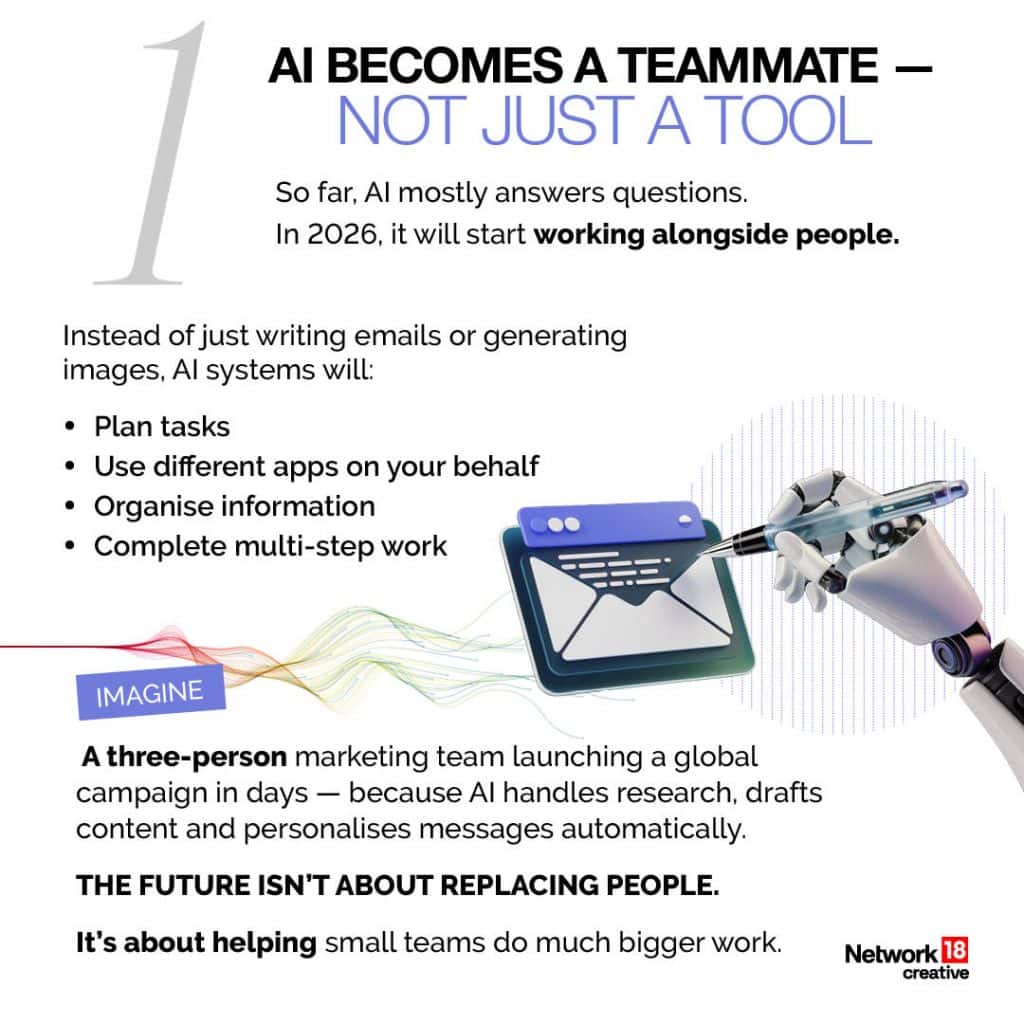
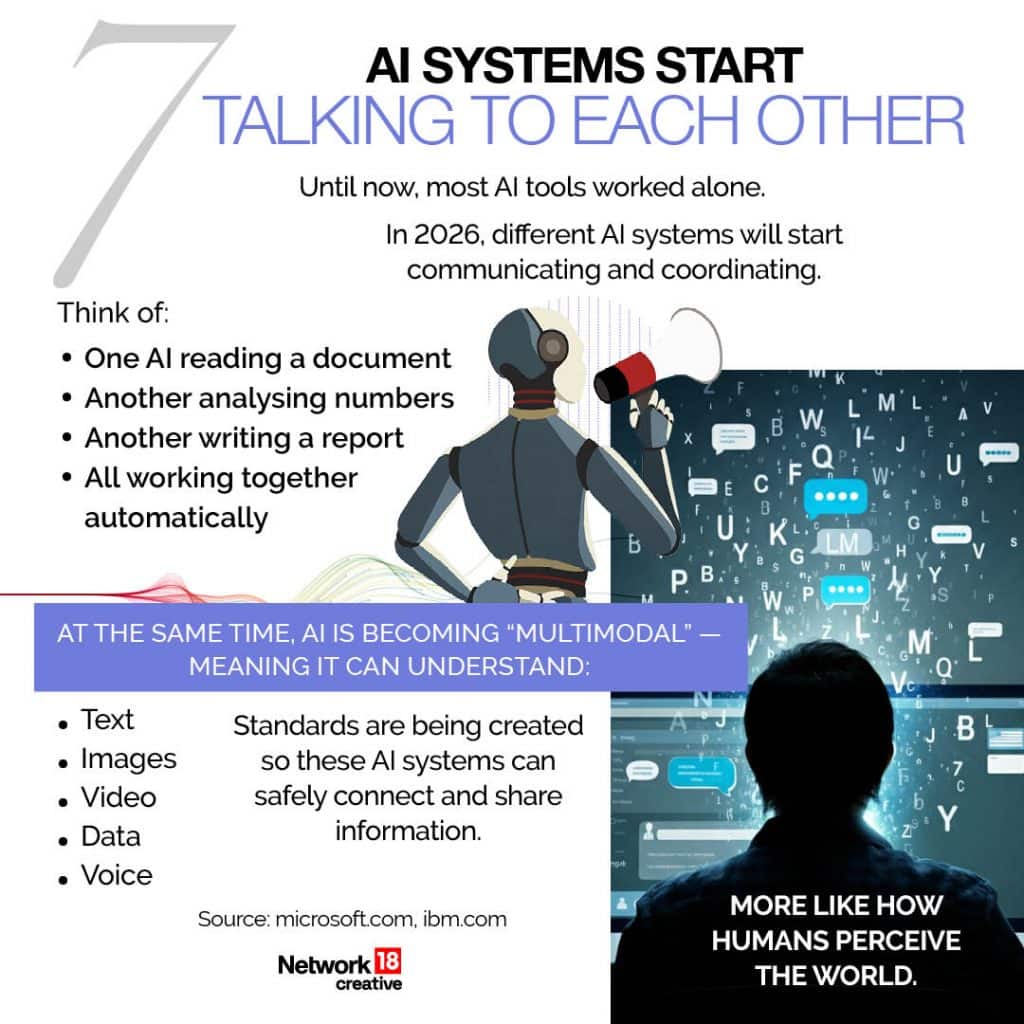
Unlike previous iterations that required constant prompting, these autonomous agents can now plan, coordinate, and execute multi-step workflows across cloud software and physical hardware with minimal human oversight.
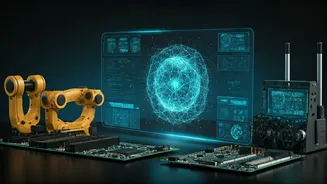
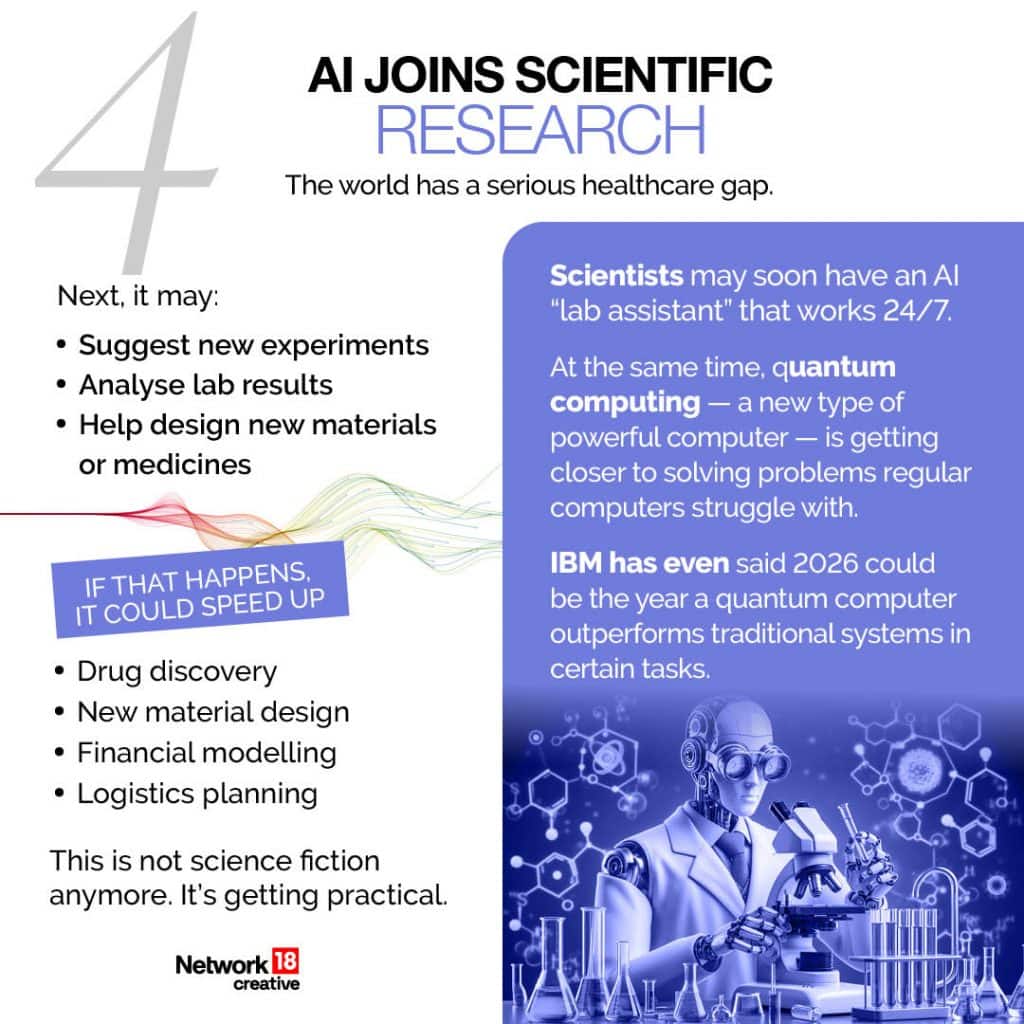
This maturation is particularly evident in industrial and scientific sectors, where "Physical AI"—the integration of AI with advanced robotics and real-time telemetry — enables autonomous laboratory automation and self-optimizing optical networks.
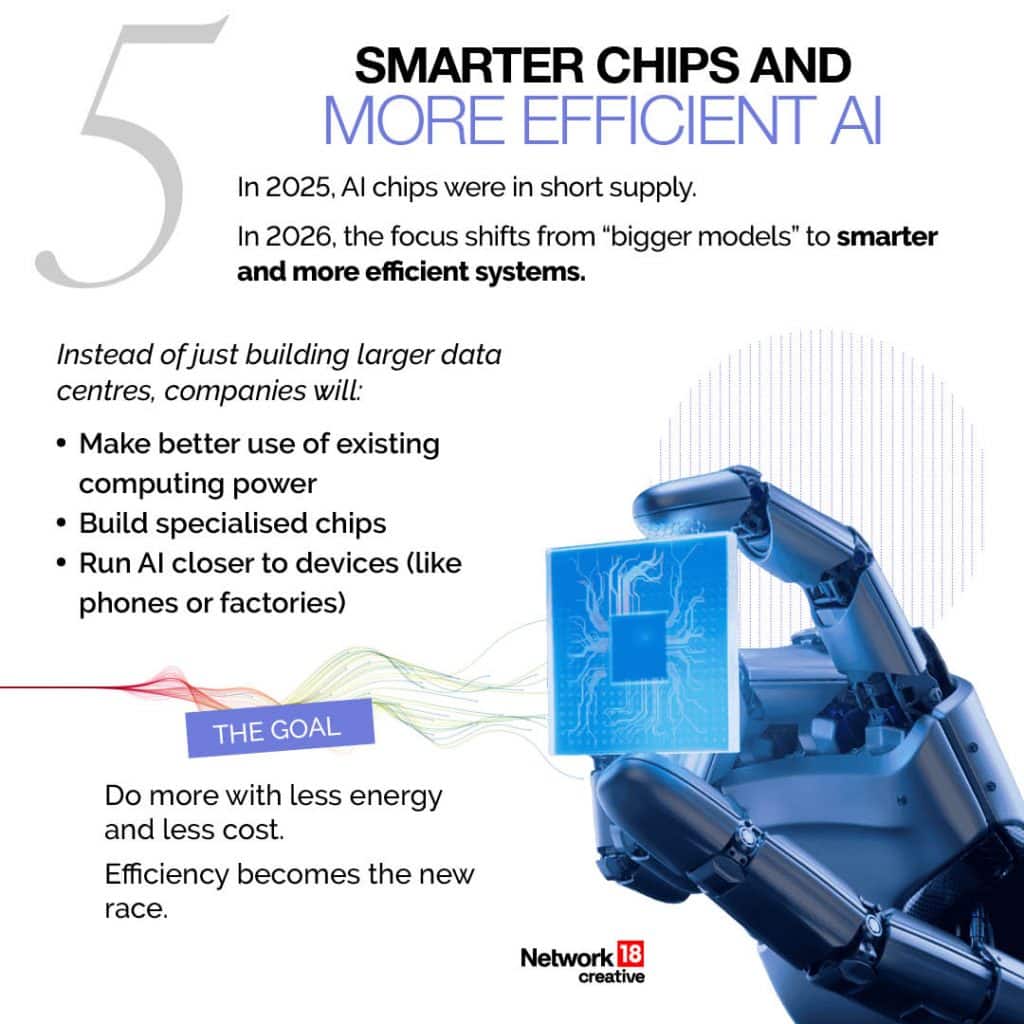
The industry has also pivoted toward Small Language Models (SLMs) and domain-specific architectures that offer higher precision and lower latency than the bulky, general-purpose models of the mid-2020s, allowing for more efficient on-device processing and "edge" intelligence.
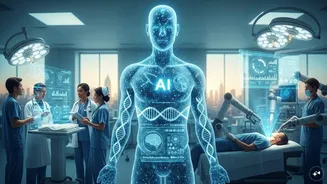
AI-driven drug discovery has also become the standard for identifying optimal excipient combinations and drug-excipient compatibility, significantly reducing the timeline for personalized medicine development.
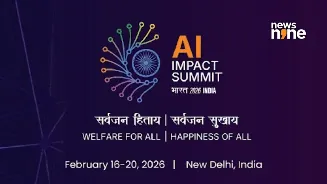
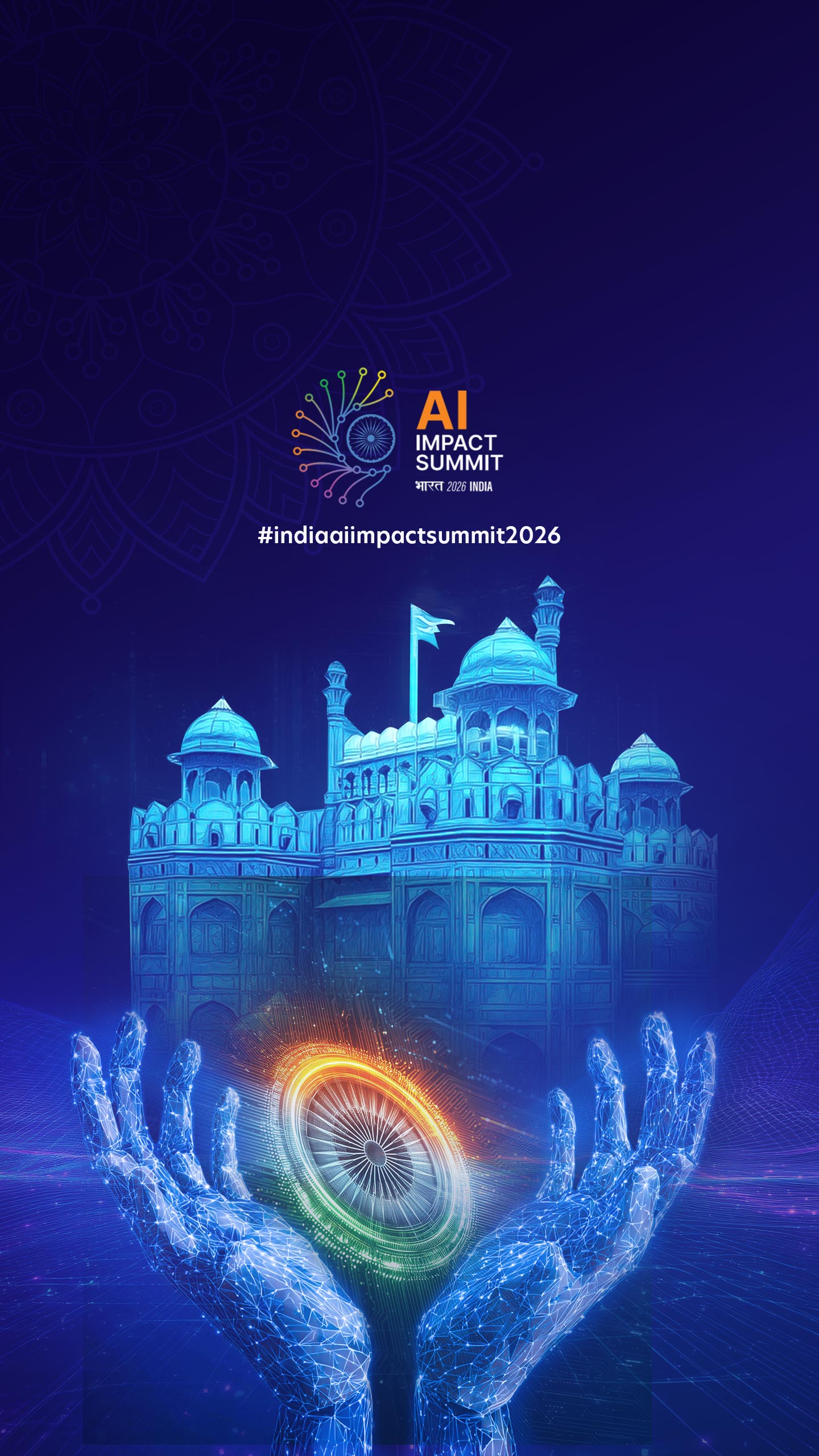
The India AI Impact Summit, currently taking place in February 2026, is a landmark event hosted by the Ministry of Electronics & Information Technology (MeitY).
It is distinguished as the first major AI summit led by a nation of the Global South, emphasizing an "India-led development-centric model" of governance.
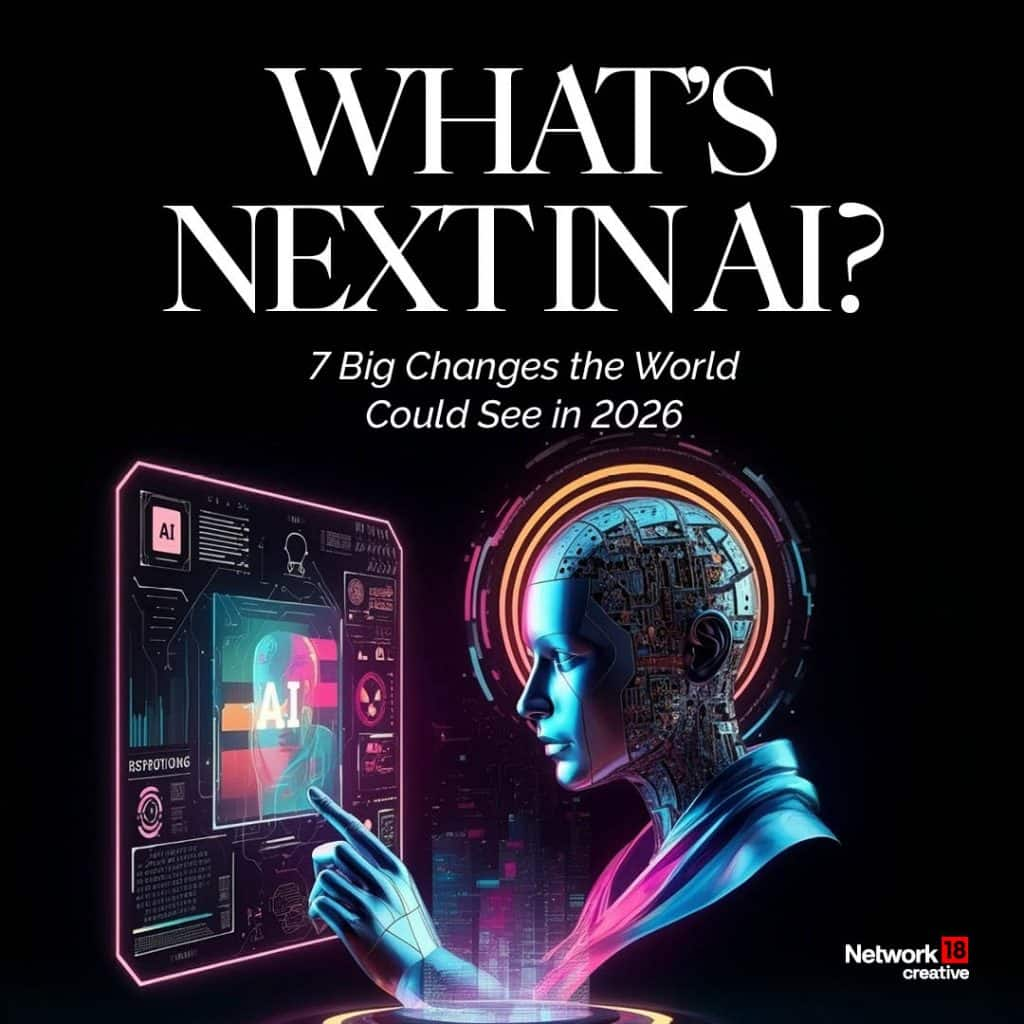
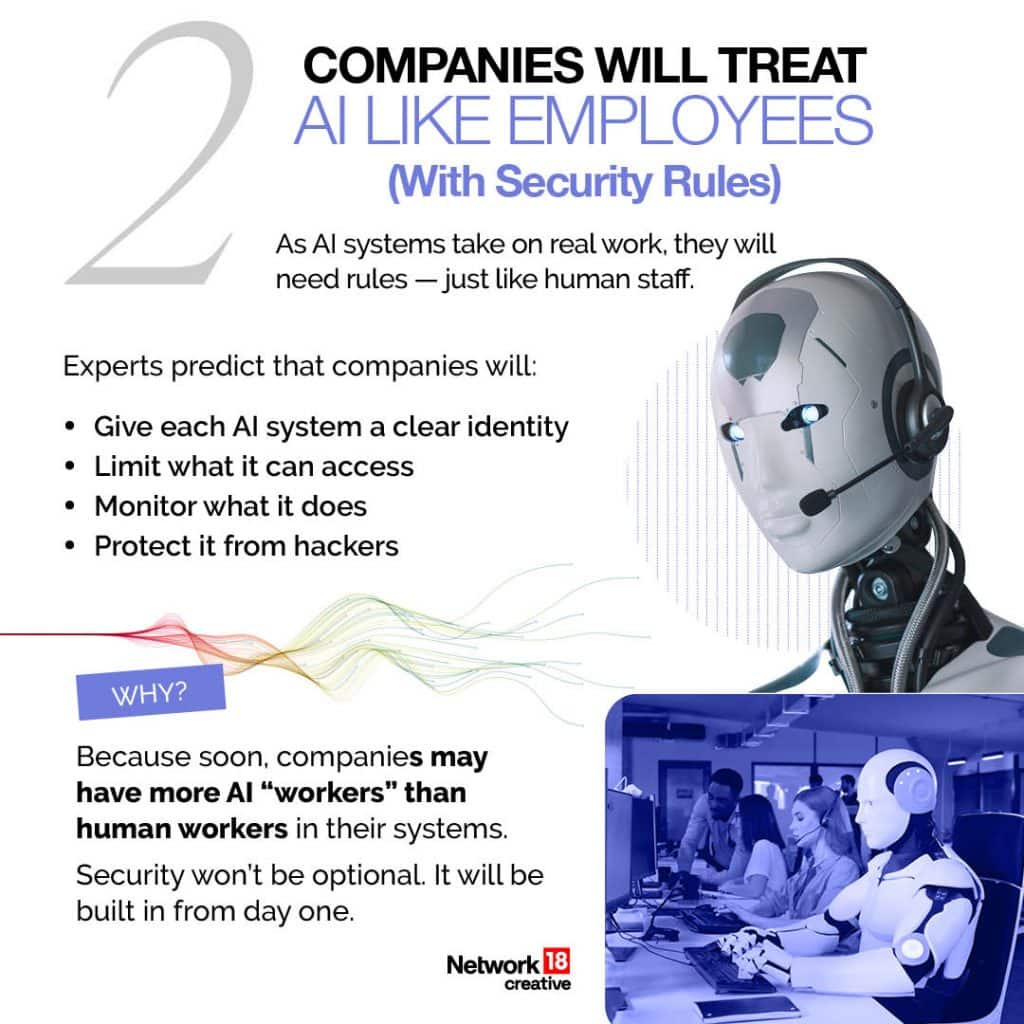
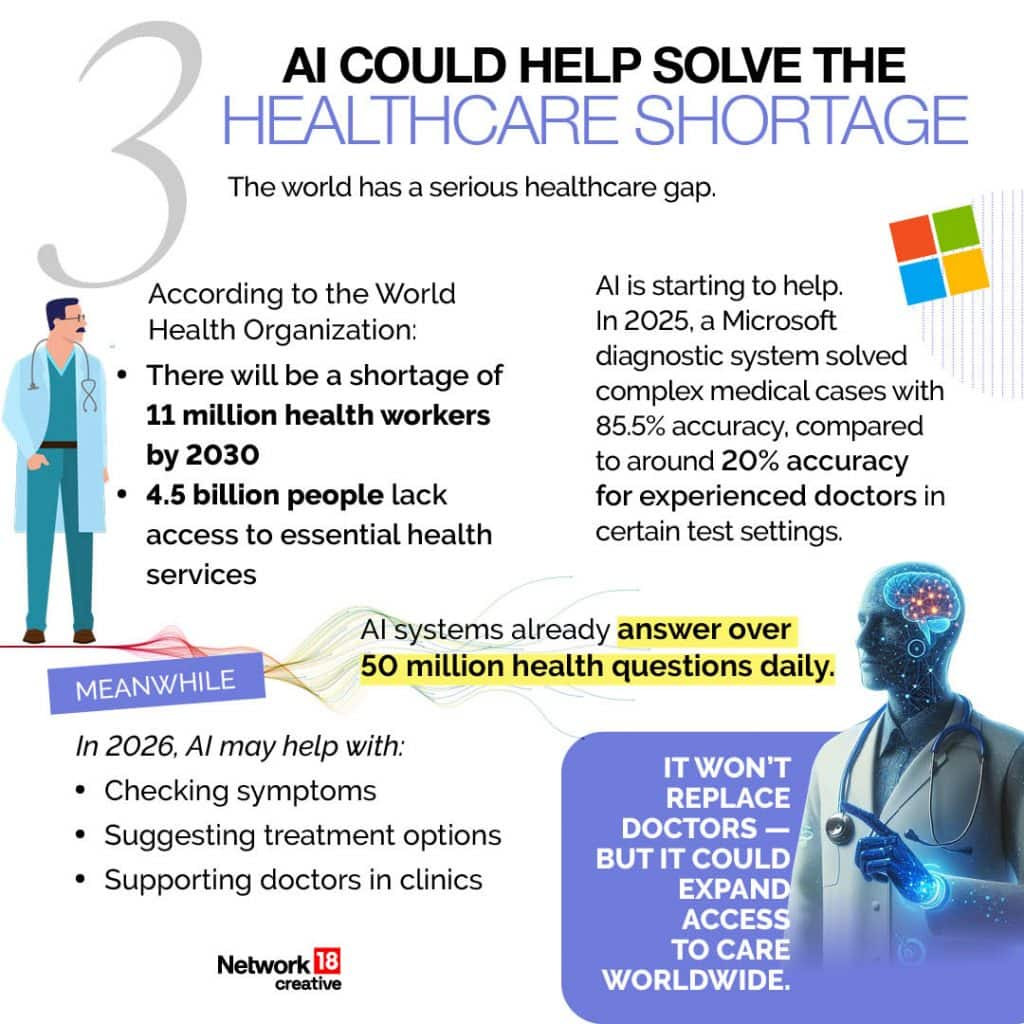
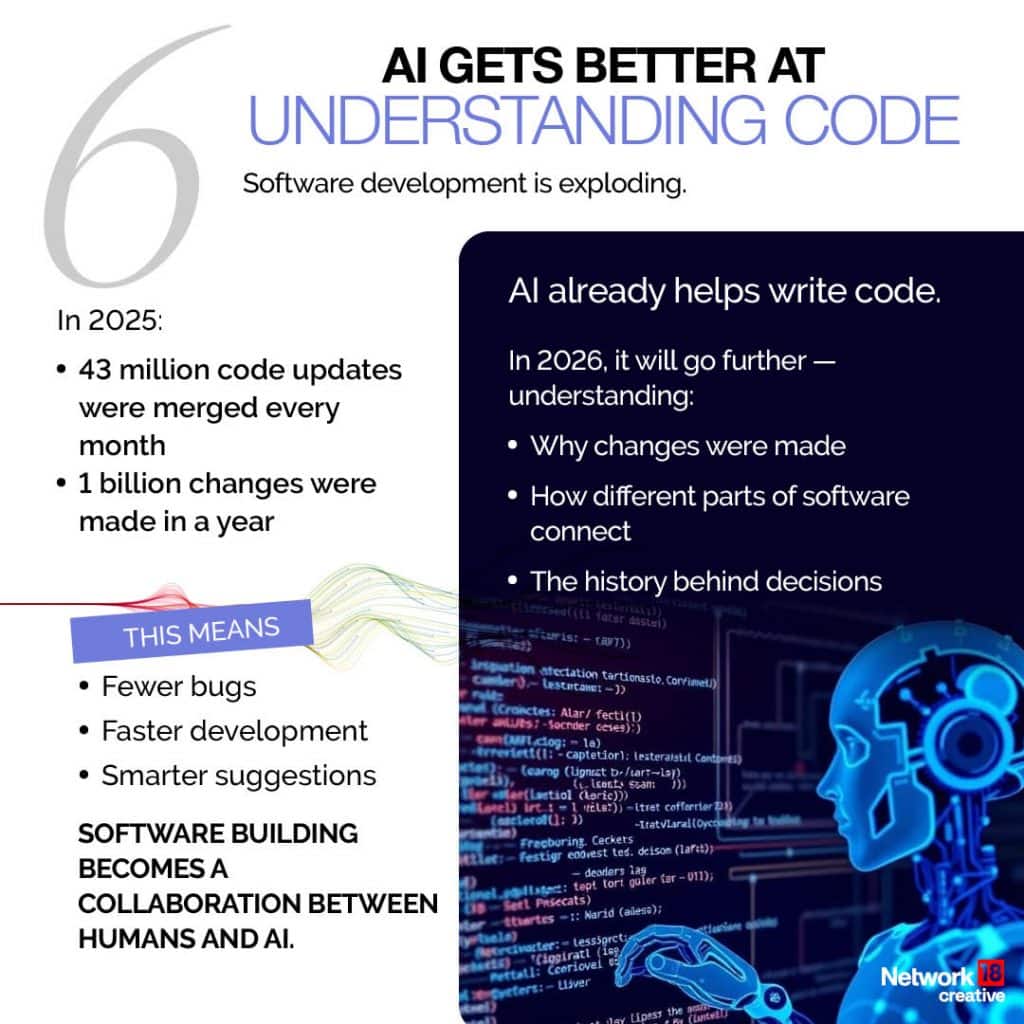
We look at a few of the changes the world could see in Artificial Intelligence through graphics:
With inputs from agencies
Unlike previous iterations that required constant prompting, these autonomous agents can now plan, coordinate, and execute multi-step workflows across cloud software and physical hardware with minimal human oversight.
This maturation is particularly evident in industrial and scientific sectors, where "Physical AI"—the integration of AI with advanced robotics and real-time telemetry — enables autonomous laboratory automation and self-optimizing optical networks.
The industry has also pivoted toward Small Language Models (SLMs) and domain-specific architectures that offer higher precision and lower latency than the bulky, general-purpose models of the mid-2020s, allowing for more efficient on-device processing and "edge" intelligence.
AI-driven drug discovery has also become the standard for identifying optimal excipient combinations and drug-excipient compatibility, significantly reducing the timeline for personalized medicine development.
The India AI Impact Summit, currently taking place in February 2026, is a landmark event hosted by the Ministry of Electronics & Information Technology (MeitY).
It is distinguished as the first major AI summit led by a nation of the Global South, emphasizing an "India-led development-centric model" of governance.
We look at a few of the changes the world could see in Artificial Intelligence through graphics:
With inputs from agencies