


What is the story about?
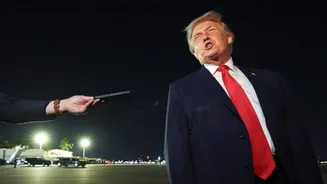
US President Donald Trump is raising eyebrows yet again.
This time, Trump has claimed that the United States “gave Greenland back” to Denmark after World War II. “How stupid were we to do that?” Trump said. “But we did it, we gave it back. But how ungrateful are they now?”
The remarks come amid renewed tensions between Washington and Europe over Greenland, a semi-autonomous territory belonging to Denmark. Trump has repeatedly argued that the Arctic island is vital to US security interests, though he has said he would not use force to take it.
“We never asked for anything, and we never got anything. We probably won’t get anything unless I decide to use excessive strength and force … but I won’t do that. I don’t want to use force. I won’t use force,” Trump said.
The problem? The United States never owned Greenland in the first place. Trump’s comment revives a century-and-a-half of American interest in the world’s largest island, but also a century-and-a-half of failure to acquire it.
Let’s take a closer look
While America’s interest in Greenland began in the 19th century, Greenland has been under Denmark’s control since 1720.
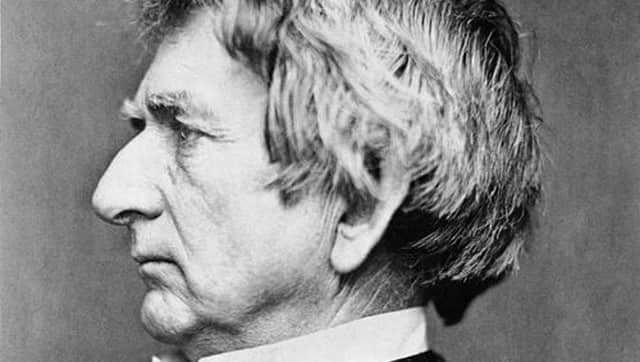
In 1867, fresh from purchasing Alaska, US Secretary of State William H Seward explored the idea of acquiring Greenland and even Iceland. But the Alaska deal was widely mocked at home as “Seward’s Folly”, and political appetite for another Arctic purchase quickly evaporated. No formal offer was ever made.
In 1910, US diplomats under President William Howard Taft floated a possible land-swap arrangement that might have seen Greenland exchanged for other territories. Denmark rejected the idea. The only successful deal from this period was the US purchase of the Virgin Islands from Denmark in 1917.
In 1916, US Secretary of State Robert Lansing stated that Washington “will not object to the Danish government extending their political and economic interests to the whole of Greenland.” In other words, the United States explicitly recognised Danish sovereignty over the island.
Then, doubts over Greenland were removed in 1931, when Norway attempted to claim part of the territory. The international court ruled in Denmark’s favour, citing an 1814 treaty showing that Denmark retained Greenland when it ceded Norway to Sweden. The US never disputed this judgement.
Greenland’s strategic value rose sharply during World War II. After Nazi Germany occupied Denmark in 1940, Copenhagen’s ambassador in Washington signed an agreement in 1941 allowing US forces to build bases in Greenland to support Allied operations and prevent German access to the island.
A 1951 Greenland Defence Agreement resulted in the Thule airbase being built and the US being granted increased access. Crucially, these wartime agreements stated they were “without prejudice to the sovereignty of the Kingdom of Denmark.”
The US gained military access, not ownership.
After the war, Washington tried again. In 1946, the United States formally offered Denmark $100 million in gold (Rs. 916 crore) for Greenland, arguing that the island was critical for monitoring Soviet activity in the emerging Cold War. Denmark refused outright. Greenland, Copenhagen insisted, was not for sale.
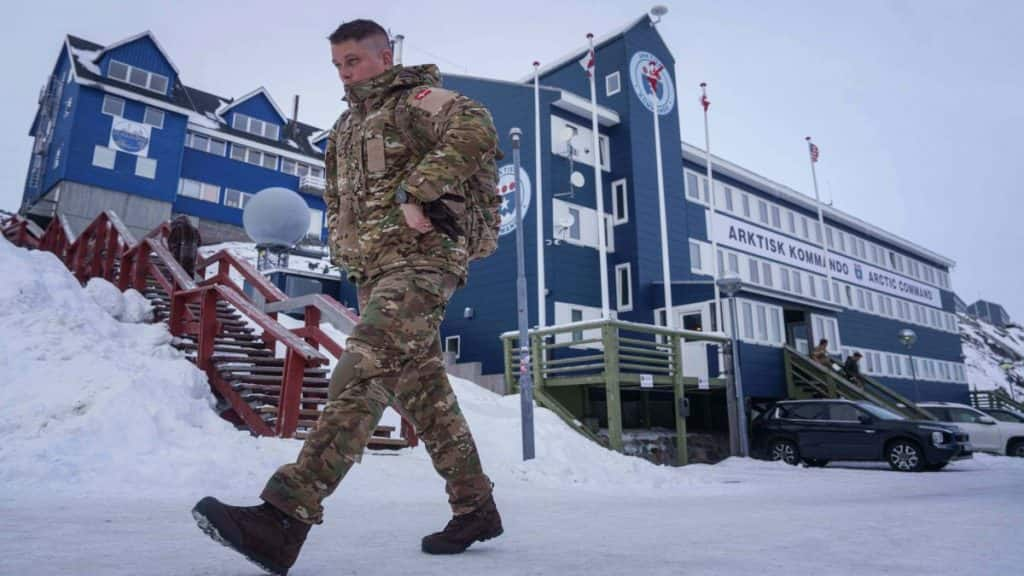
Instead, the two sides struck a compromise. In 1951, a defence agreement expanded US basing rights and led to the construction of the Thule Air Base in northwestern Greenland. While American forces would have a long-term presence, Denmark retained full sovereignty. Thus, the record is clear: at no point did the United States own Greenland.
In fact, President Donald Trump seemed to acknowledge this reality in 2019 when he said he wanted to buy Greenland. “Essentially, it’s a large real estate deal,” Trump said. Danish Prime Minister Mette Frederiksen dismissed the idea. Trump was mocked by members of both the US and Danish media. The development led to a minor tiff between the nations that was soon forgotten.
Experts say the US has no claim to Greenland.
Professor Marc Weller of the International Law Programme at Chatham House has noted: “In the 1951 Defence of Greenland Agreement with Denmark, the US unambiguously recognises the sovereignty of the Kingdom of Denmark over Greenland… any change in status would require Greenlandic self-determination and legal processes far beyond a simple diplomatic demand.”
Oxford law expert Antonios Tzanakopoulos has said that the US taking Greenland by force would be a huge violation of international law.
Greenland’s Prime Minister has reiterated that Greenland is not for sale. “Our country is not for sale, and our future will not be shaped by debates on social media,” he said. He added that relationships between nations “must be based on mutual respect and international law”.
“Messages that carry symbolism of possession are not the path forward,” he said, adding that such content “ignores our status and our rights.”
With inputs from agencies
This time, Trump has claimed that the United States “gave Greenland back” to Denmark after World War II. “How stupid were we to do that?” Trump said. “But we did it, we gave it back. But how ungrateful are they now?”
The remarks come amid renewed tensions between Washington and Europe over Greenland, a semi-autonomous territory belonging to Denmark. Trump has repeatedly argued that the Arctic island is vital to US security interests, though he has said he would not use force to take it.
“We never asked for anything, and we never got anything. We probably won’t get anything unless I decide to use excessive strength and force … but I won’t do that. I don’t want to use force. I won’t use force,” Trump said.
The problem? The United States never owned Greenland in the first place. Trump’s comment revives a century-and-a-half of American interest in the world’s largest island, but also a century-and-a-half of failure to acquire it.
Let’s take a closer look
The US’ early interest in Greenland
While America’s interest in Greenland began in the 19th century, Greenland has been under Denmark’s control since 1720.
In 1867, fresh from purchasing Alaska, US Secretary of State William H Seward explored the idea of acquiring Greenland and even Iceland. But the Alaska deal was widely mocked at home as “Seward’s Folly”, and political appetite for another Arctic purchase quickly evaporated. No formal offer was ever made.
In 1910, US diplomats under President William Howard Taft floated a possible land-swap arrangement that might have seen Greenland exchanged for other territories. Denmark rejected the idea. The only successful deal from this period was the US purchase of the Virgin Islands from Denmark in 1917.
US Secretary of State William H Seward. Unknown author Restoration by Adam Cuerden
In 1916, US Secretary of State Robert Lansing stated that Washington “will not object to the Danish government extending their political and economic interests to the whole of Greenland.” In other words, the United States explicitly recognised Danish sovereignty over the island.
Then, doubts over Greenland were removed in 1931, when Norway attempted to claim part of the territory. The international court ruled in Denmark’s favour, citing an 1814 treaty showing that Denmark retained Greenland when it ceded Norway to Sweden. The US never disputed this judgement.
World War II and the strategic bargain
Greenland’s strategic value rose sharply during World War II. After Nazi Germany occupied Denmark in 1940, Copenhagen’s ambassador in Washington signed an agreement in 1941 allowing US forces to build bases in Greenland to support Allied operations and prevent German access to the island.
A 1951 Greenland Defence Agreement resulted in the Thule airbase being built and the US being granted increased access. Crucially, these wartime agreements stated they were “without prejudice to the sovereignty of the Kingdom of Denmark.”
The 1946 purchase offer that failed
After the war, Washington tried again. In 1946, the United States formally offered Denmark $100 million in gold (Rs. 916 crore) for Greenland, arguing that the island was critical for monitoring Soviet activity in the emerging Cold War. Denmark refused outright. Greenland, Copenhagen insisted, was not for sale.
Instead, the two sides struck a compromise. In 1951, a defence agreement expanded US basing rights and led to the construction of the Thule Air Base in northwestern Greenland. While American forces would have a long-term presence, Denmark retained full sovereignty. Thus, the record is clear: at no point did the United States own Greenland.
A Danish serviceman walks in front of Joint Arctic Command center in Nuuk, Greenland. AP
In fact, President Donald Trump seemed to acknowledge this reality in 2019 when he said he wanted to buy Greenland. “Essentially, it’s a large real estate deal,” Trump said. Danish Prime Minister Mette Frederiksen dismissed the idea. Trump was mocked by members of both the US and Danish media. The development led to a minor tiff between the nations that was soon forgotten.
What experts say
Experts say the US has no claim to Greenland.
Professor Marc Weller of the International Law Programme at Chatham House has noted: “In the 1951 Defence of Greenland Agreement with Denmark, the US unambiguously recognises the sovereignty of the Kingdom of Denmark over Greenland… any change in status would require Greenlandic self-determination and legal processes far beyond a simple diplomatic demand.”
Oxford law expert Antonios Tzanakopoulos has said that the US taking Greenland by force would be a huge violation of international law.
Greenland’s Prime Minister has reiterated that Greenland is not for sale. “Our country is not for sale, and our future will not be shaped by debates on social media,” he said. He added that relationships between nations “must be based on mutual respect and international law”.
“Messages that carry symbolism of possession are not the path forward,” he said, adding that such content “ignores our status and our rights.”
With inputs from agencies