








What is the story about?
Europe is in the grip of an intense heatwave. The mercury has climbed above 40°C as a persistent high-pressure system settles over parts of the continent, with countries including France, Germany, Hungary, and Slovakia battling record-breaking temperatures.
The prolonged spell of hot, dry weather has also raised a question that extends far beyond Europe: Can a weather event unfolding thousands of kilometres away influence India’s weather or even its monsoon? The answer begins with an atmospheric phenomenon known as an omega block.
An omega block is a weather pattern in which a strong area of high pressure becomes trapped between two areas of low pressure, creating a shape resembling the Greek letter omega (Ω). Because the pattern moves very slowly, the weather beneath it changes very little for days or even weeks.
“The high pressure brings mostly clear skies and lots of sunshine, while the sinking air warms and dries as it descends. This suppresses cloud formation and rainfall, allowing heat to build up day after day and leading to prolonged and often intense heatwaves,” explains Dr Akshay Deoras, senior research scientist at the National Centre for Atmospheric Science and the Department of Meteorology, University of Reading, UK.

While the heatwave is centred over Europe, the atmosphere itself does not stop at continental boundaries. According to Dr Rajib Chattopadhyay, scientist at the Indian Institute of Tropical Meteorology, omega blocks are closely linked to the behaviour of the jet stream and atmospheric waves known as Rossby waves.
“Rossby waves are giant, slow-moving bends in the jet stream caused by the Earth’s rotation and the contrast between warm tropical and cold polar air. These waves create alternating regions of high pressure (ridges) and low pressure (troughs) that steer storms and influence temperature and rainfall over vast distances,” he says.
As Rossby waves travel across the Northern Hemisphere, they can produce atmospheric teleconnections – links between weather systems separated by thousands of kilometres. For example, Chattopadhyay says that a disturbance over the North Atlantic or Pacific can generate a Rossby wave train that propagates across Europe, Central Asia and East Asia. A ridge may bring warm, dry conditions to one region, while a downstream trough causes cooler, wetter weather elsewhere.
Large-scale climate phenomena such as the El Niño–Southern Oscillation (ENSO) can also generate Rossby waves that propagate across the Northern Hemisphere, linking tropical ocean conditions with atmospheric circulation over Europe and Asia.
Whether such long-distance weather connections occur during a particular event depends on several factors, including the location, intensity and evolution of the blocking pattern. “Large weather systems can sometimes influence conditions thousands of kilometres away through atmospheric teleconnections, but there is nothing to suggest the current European omega block will have a significant impact on India,” says Deoras.
He points to an example from last June, when the advance of the southwest monsoon stalled for around two weeks. A similar omega block over the mid-latitudes altered the large-scale wind pattern, allowing dry air from arid regions west of India to spread into the country and disrupting the moisture flow needed for the monsoon to progress.
“While these links are possible, they depend on the exact position and strength of the blocking pattern,” he says.
Chattopadhyay adds that studies have shown that omega blocks over the high to mid-latitudes can contribute to intense winter cold waves over parts of India by increasing meandering in the jet stream and strengthening northerly and southerly airflows. “An omega block over Europe can potentially influence the Subtropical Westerly Jet and the western disturbances affecting India, although the relationship is indirect and depends on the large-scale atmospheric circulation and many other factors in the tropics. It is one of several factors,” he explains.
While these long-distance weather connections are real, scientists caution that they are only one piece of the puzzle. “Blocking patterns like this are usually temporary, whereas climate drivers such as El Niño and the Indian Ocean Dipole have a much stronger and more persistent influence on the monsoon over an entire season,” says Deoras.
Chattopadhyay adds that it remains unclear whether ENSO played any role in the development of the current blocking event.
Together, the two experts suggest that while atmospheric teleconnections are physically plausible and have influenced India's weather in the past, there is currently no evidence that the ongoing
European heatwave is having a significant influence on India's weather or the southwest monsoon.
As heatwaves become more frequent and intense around the world, researchers are also trying to understand whether climate change is altering atmospheric blocking events.
“There is growing evidence that climate change is making heatwaves more frequent and intense, but whether it is increasing atmospheric blocking events is still an active area of research,” says Deoras. Some studies suggest blocking patterns could become more frequent or longer lasting in certain regions as the climate warms, although there is not yet a scientific consensus.
What is better established, he says, is that when blocking events do occur in today’s warmer climate, they are more likely to produce exceptional heat because temperatures begin from a higher baseline. “There is less evidence that climate change is strengthening long-distance weather connections themselves. A warmer atmosphere can, however, amplify the impacts of these patterns when they develop,” says Deoras.
The prolonged spell of hot, dry weather has also raised a question that extends far beyond Europe: Can a weather event unfolding thousands of kilometres away influence India’s weather or even its monsoon? The answer begins with an atmospheric phenomenon known as an omega block.
What is an omega block?
An omega block is a weather pattern in which a strong area of high pressure becomes trapped between two areas of low pressure, creating a shape resembling the Greek letter omega (Ω). Because the pattern moves very slowly, the weather beneath it changes very little for days or even weeks.
“The high pressure brings mostly clear skies and lots of sunshine, while the sinking air warms and dries as it descends. This suppresses cloud formation and rainfall, allowing heat to build up day after day and leading to prolonged and often intense heatwaves,” explains Dr Akshay Deoras, senior research scientist at the National Centre for Atmospheric Science and the Department of Meteorology, University of Reading, UK.
People cool off in the Trocadero Fountain next to the Eiffel Tower as temperatures rise during a heatwave affecting a large part of France. Extreme heat has left more than 1,000 dead in the country. Reuters
How weather travels across continents
While the heatwave is centred over Europe, the atmosphere itself does not stop at continental boundaries. According to Dr Rajib Chattopadhyay, scientist at the Indian Institute of Tropical Meteorology, omega blocks are closely linked to the behaviour of the jet stream and atmospheric waves known as Rossby waves.
“Rossby waves are giant, slow-moving bends in the jet stream caused by the Earth’s rotation and the contrast between warm tropical and cold polar air. These waves create alternating regions of high pressure (ridges) and low pressure (troughs) that steer storms and influence temperature and rainfall over vast distances,” he says.
As Rossby waves travel across the Northern Hemisphere, they can produce atmospheric teleconnections – links between weather systems separated by thousands of kilometres. For example, Chattopadhyay says that a disturbance over the North Atlantic or Pacific can generate a Rossby wave train that propagates across Europe, Central Asia and East Asia. A ridge may bring warm, dry conditions to one region, while a downstream trough causes cooler, wetter weather elsewhere.
Large-scale climate phenomena such as the El Niño–Southern Oscillation (ENSO) can also generate Rossby waves that propagate across the Northern Hemisphere, linking tropical ocean conditions with atmospheric circulation over Europe and Asia.
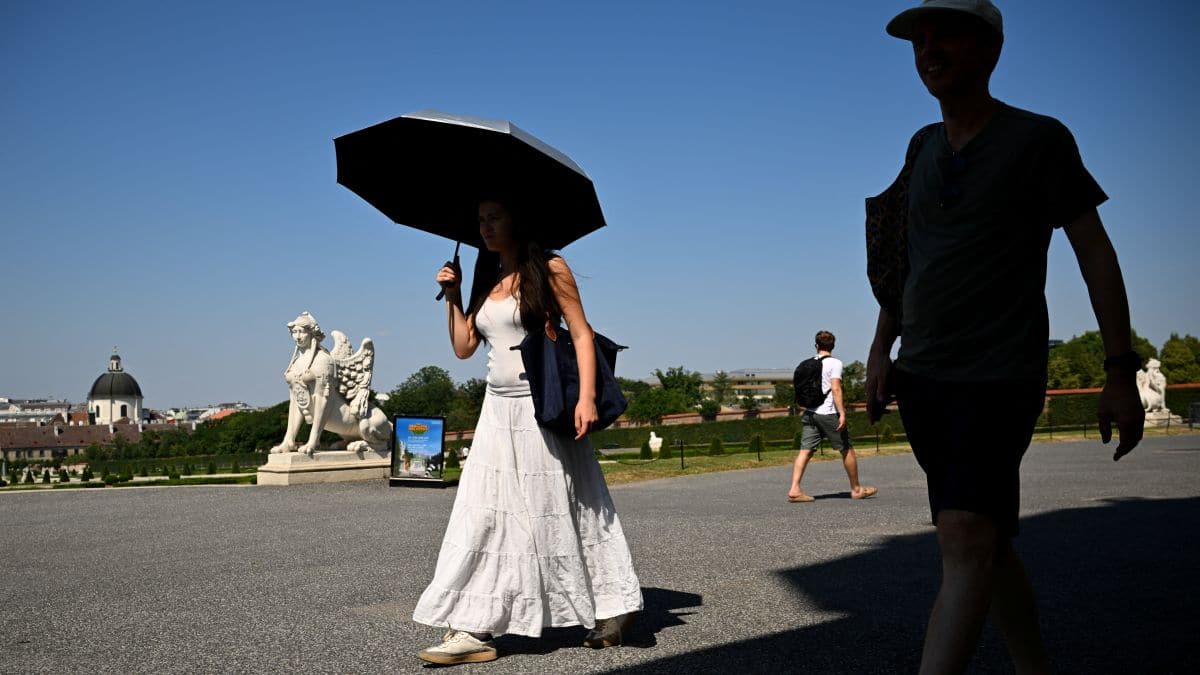
A woman holding an umbrella walks in the city centre during a heatwave in Vienna, Austria, on June 30. While extreme summer temperatures are currently centred over Europe, the atmosphere itself does not stop at continental boundaries. Reuters
Can Europe influence India’s weather?
Whether such long-distance weather connections occur during a particular event depends on several factors, including the location, intensity and evolution of the blocking pattern. “Large weather systems can sometimes influence conditions thousands of kilometres away through atmospheric teleconnections, but there is nothing to suggest the current European omega block will have a significant impact on India,” says Deoras.
He points to an example from last June, when the advance of the southwest monsoon stalled for around two weeks. A similar omega block over the mid-latitudes altered the large-scale wind pattern, allowing dry air from arid regions west of India to spread into the country and disrupting the moisture flow needed for the monsoon to progress.
“While these links are possible, they depend on the exact position and strength of the blocking pattern,” he says.
Chattopadhyay adds that studies have shown that omega blocks over the high to mid-latitudes can contribute to intense winter cold waves over parts of India by increasing meandering in the jet stream and strengthening northerly and southerly airflows. “An omega block over Europe can potentially influence the Subtropical Westerly Jet and the western disturbances affecting India, although the relationship is indirect and depends on the large-scale atmospheric circulation and many other factors in the tropics. It is one of several factors,” he explains.
Can the European heatwave impact the Indian weather?
While these long-distance weather connections are real, scientists caution that they are only one piece of the puzzle. “Blocking patterns like this are usually temporary, whereas climate drivers such as El Niño and the Indian Ocean Dipole have a much stronger and more persistent influence on the monsoon over an entire season,” says Deoras.
Chattopadhyay adds that it remains unclear whether ENSO played any role in the development of the current blocking event.
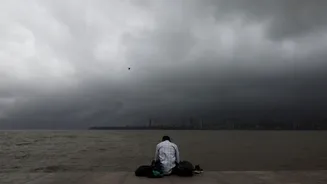
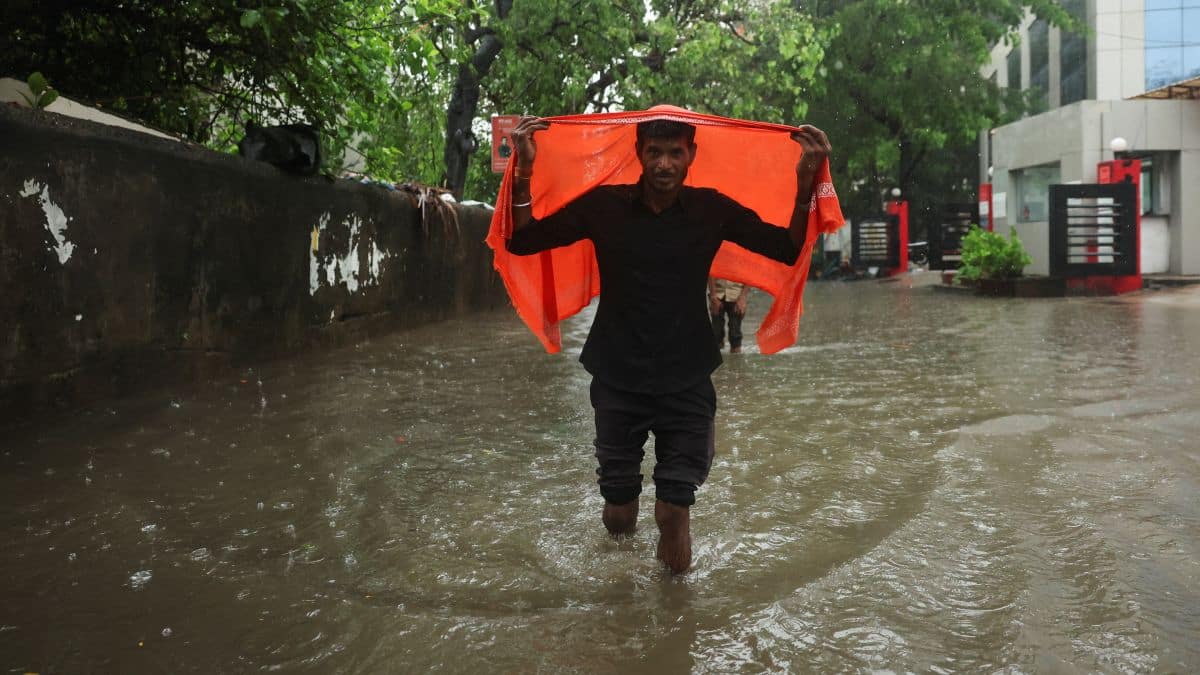
A man covers himself with a cloth as he wades through a flooded street after heavy rains in Mumbai, on July 1. Climate drivers such as El Niño and the Indian Ocean Dipole have a much stronger and more persistent influence on the monsoon. Reuters
Together, the two experts suggest that while atmospheric teleconnections are physically plausible and have influenced India's weather in the past, there is currently no evidence that the ongoing
Is climate change a factor at play?
As heatwaves become more frequent and intense around the world, researchers are also trying to understand whether climate change is altering atmospheric blocking events.
“There is growing evidence that climate change is making heatwaves more frequent and intense, but whether it is increasing atmospheric blocking events is still an active area of research,” says Deoras. Some studies suggest blocking patterns could become more frequent or longer lasting in certain regions as the climate warms, although there is not yet a scientific consensus.
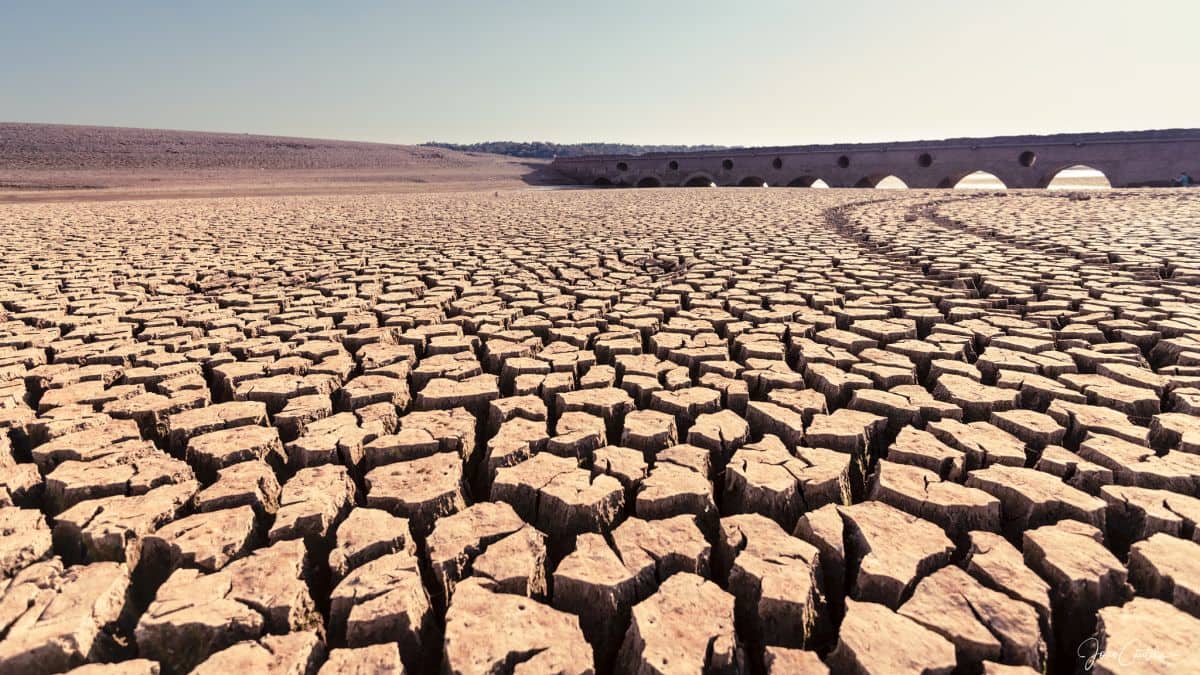
Climate change is strengthening long-distance weather connections. João Cautela via Wikimedia Commons
What is better established, he says, is that when blocking events do occur in today’s warmer climate, they are more likely to produce exceptional heat because temperatures begin from a higher baseline. “There is less evidence that climate change is strengthening long-distance weather connections themselves. A warmer atmosphere can, however, amplify the impacts of these patterns when they develop,” says Deoras.