



What is the story about?
There is no better time of the year to visit Gujarat’s Rann of Kutch than the winter. The Rann Utsav is on till the first week of March. The tent city at Dhordo offers a brilliant microcosm of Kutchi culture, ranging from performing arts to cuisine, and its immediate vicinity provides great vistas for photography enthusiasts. However, visitors to the Utsav would be well-advised to grab this opportunity and explore a wider part of the Rann, especially its heritage sites.
Dholavira (87 km east of Dhordo): This incredible Harappan site is the most prominent of numerous sites of that civilisation that exist in the Rann as well as one of the largest cities of that great period in our early history. With excavated remains spread over a vast area, the city is a great example of town planning and architecture.
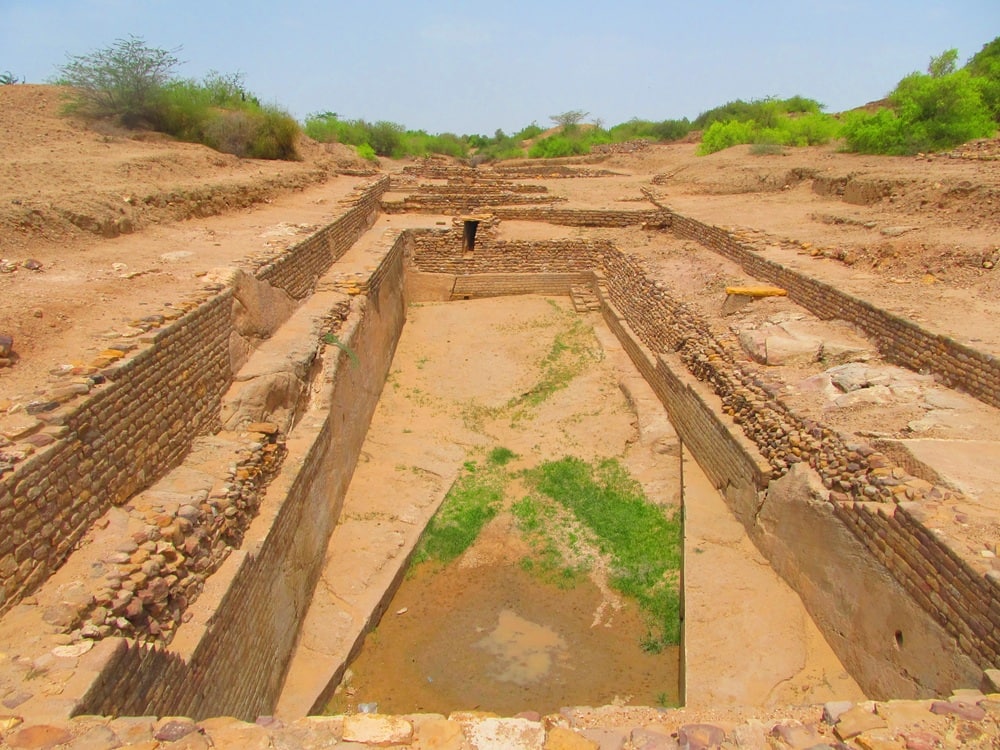
Importantly, in a region which has historically received sparse rainfall, Dholavira’s water management system, seen in the form of large tanks and cisterns, is perhaps worth emulating by our town planners even today. The site has revealed as many as seven stages of cultural evolution, with the earliest going back to nearly 3000 BCE. In 2021, Dholavira achieved Unesco World Heritage status, putting it firmly on the global history buff’s radar.
Mandvi (141 km south of Dhordo): Famous for its shipbuilding industry, Mandvi is an old port town that has drawn in merchants from West Asia and Africa for centuries. With a booming trade that involved precious stones, textiles and other merchandise, the wealth generated drew in artisans who contributed to the cultural landscape of Kutch.
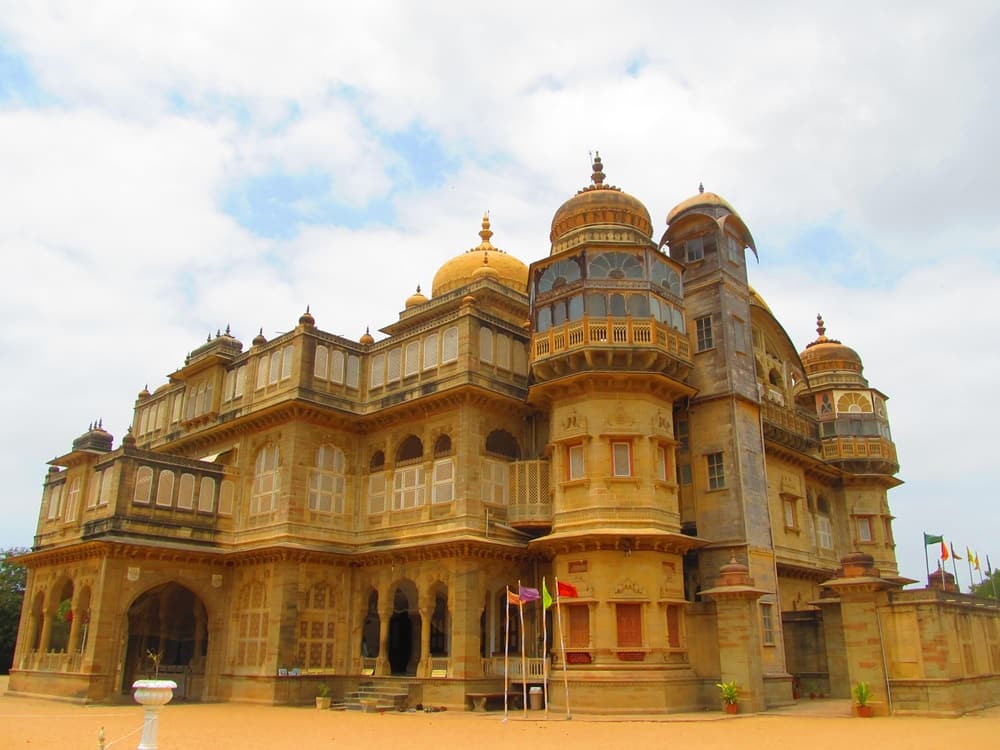
An architectural highlight is the Vijay Vilas Palace, dated to 1929. The striking, red sandstone Rajput-designed building gives glimpses of the last era of princely states of India and has also been seen in popular Bollywood flicks. Enjoy a quiet walk along the pristine beach near the palace where the wind speed feels incredible.
Nirona (72 km south of Dhordo): The village is home to a family of award-winning artists which is the sole practitioner of an ancient Persian form of art. Called ‘Rogan’, which means ‘oil-based’, this art’s process involves heating castor oil for nearly twelve hours and then casting it in cold water. The residue that results is called ‘Rogan’, and it is then mixed with stone pigments to make various colours.
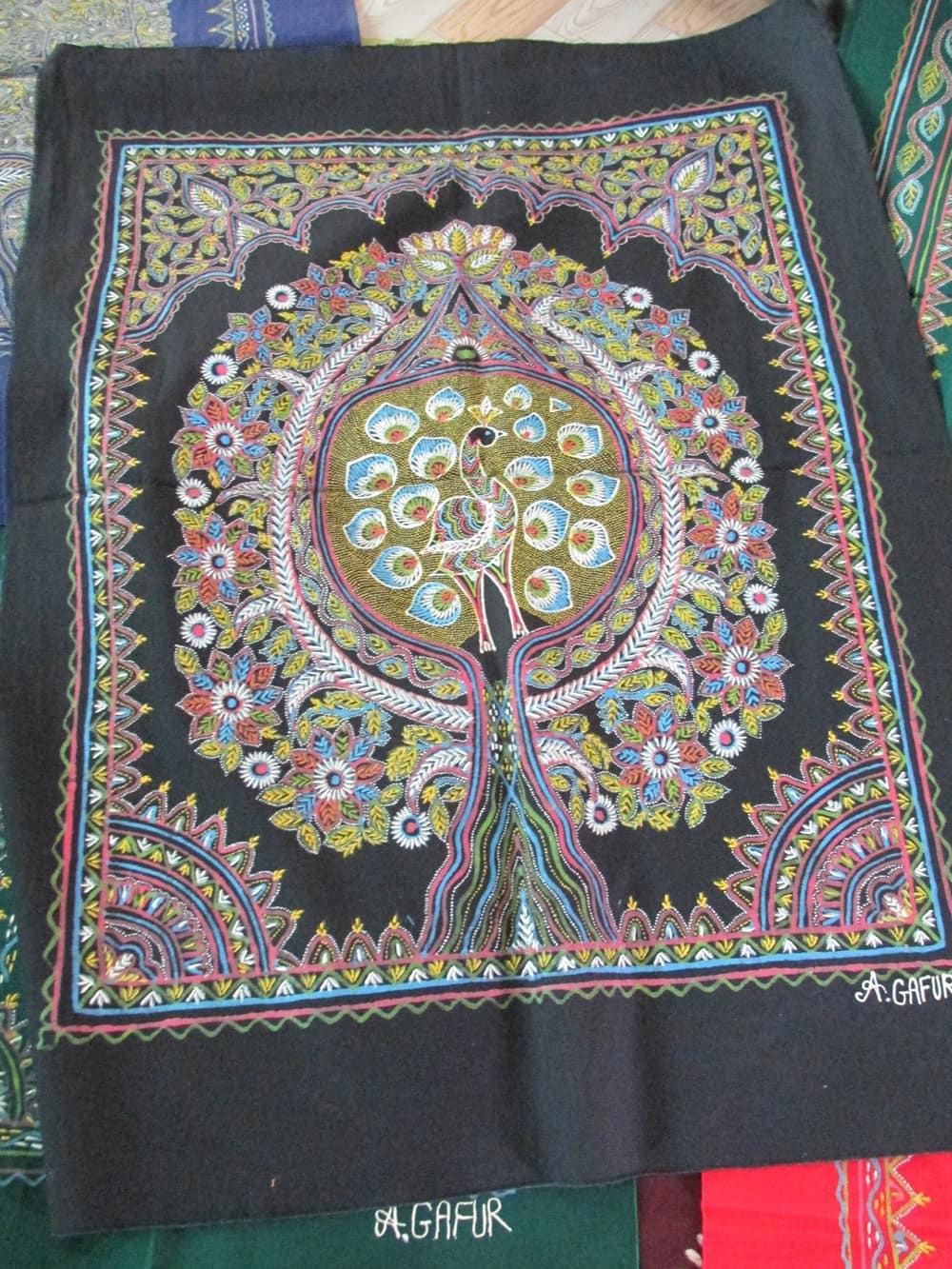
These colours then find application on cloth via a metal stick. The Tree of Life is a popular theme, as are other floral and geometric patterns. The material thus created has become a popular gift, having been announced to the world when it was presented by Prime Minister Modi to US President Obama.
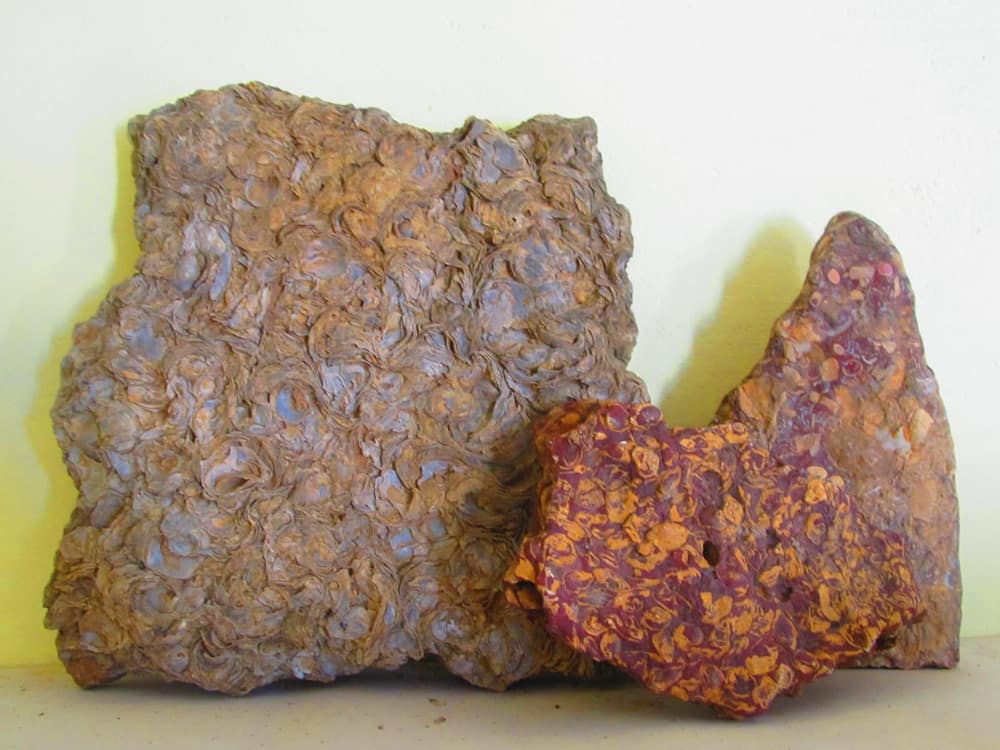
Kutch Fossil Park (18 km west of Nirona): The year 1970 saw a soldier called Mohan Sinh Sodha find a starfish fossil in Kutch. He turned an accidental find into a passion, and his collection became the base of the fossil museum here. The collection now includes fossils of dinosaurs, reptiles, plants, marine life and minerals. There is also a fossil of a species of sea cow named Domninga Sodhae, in honour of the man who began the collection.
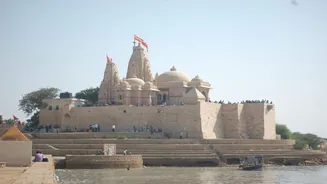
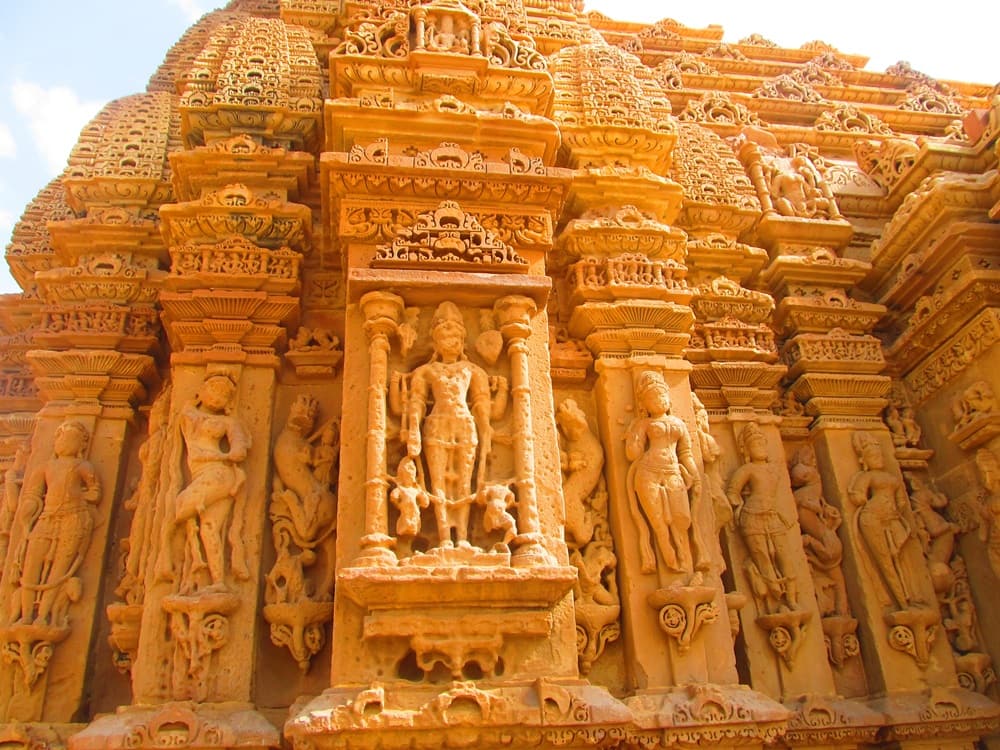
Kotay (76 km south-east of Dhordo): The Sun Temple here gives a glimpse of the ancient temple architecture of the region. This 9th-century shrine has exquisite carvings on its exterior, depicting a range of divine figures, though there is much evidence of erosion.
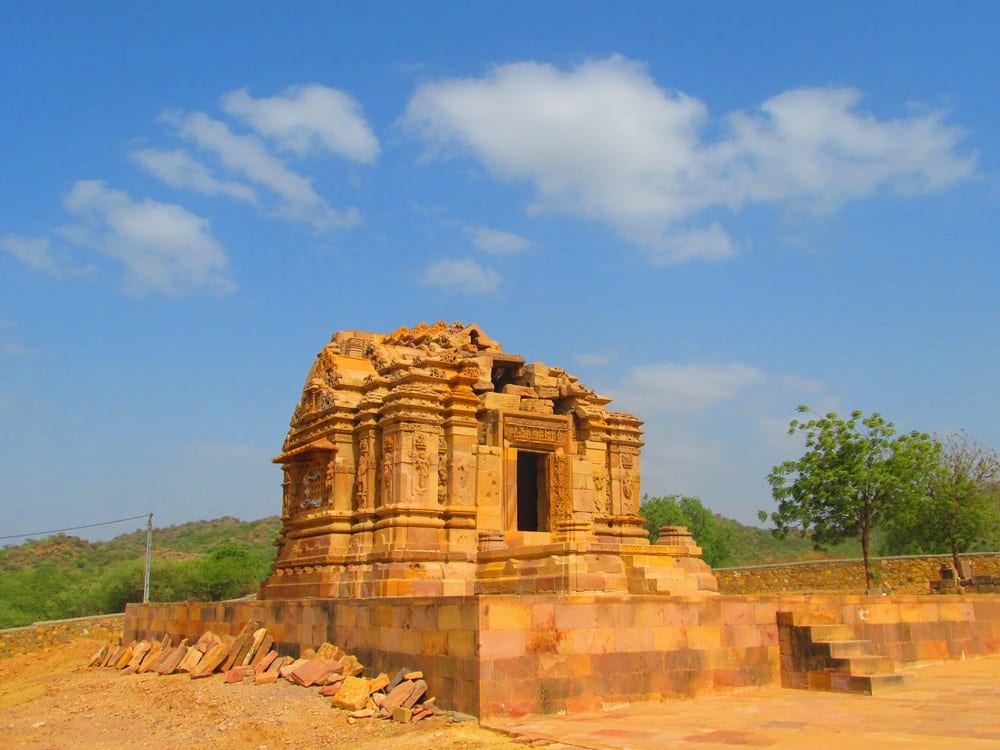
The icons within are damaged, including a barely identifiable plaque of the Sun God. Based on the fact that the temple entrance faces west – while other Sun Temples face east – there is a belief among scholars that this might have been a Shiva Temple originally.
Lakhpat (91 km west of Dhordo): The fort at Lakhpat, guarded by the Border Security Force (BSF), stands at the point where Kori Creek meets the Great Rann of Kutch. The place was once a prosperous port, and fortifications were added as recently as 1801. Among the personalities who embarked on journeys from this port was Guru Nanak himself, who camped here on his journey to and from Mecca. A gurudwara stands in memory of that event. Other spiritual figures also came here, and their tombs remain, such as the Ghaus Mohammad no Kubo.
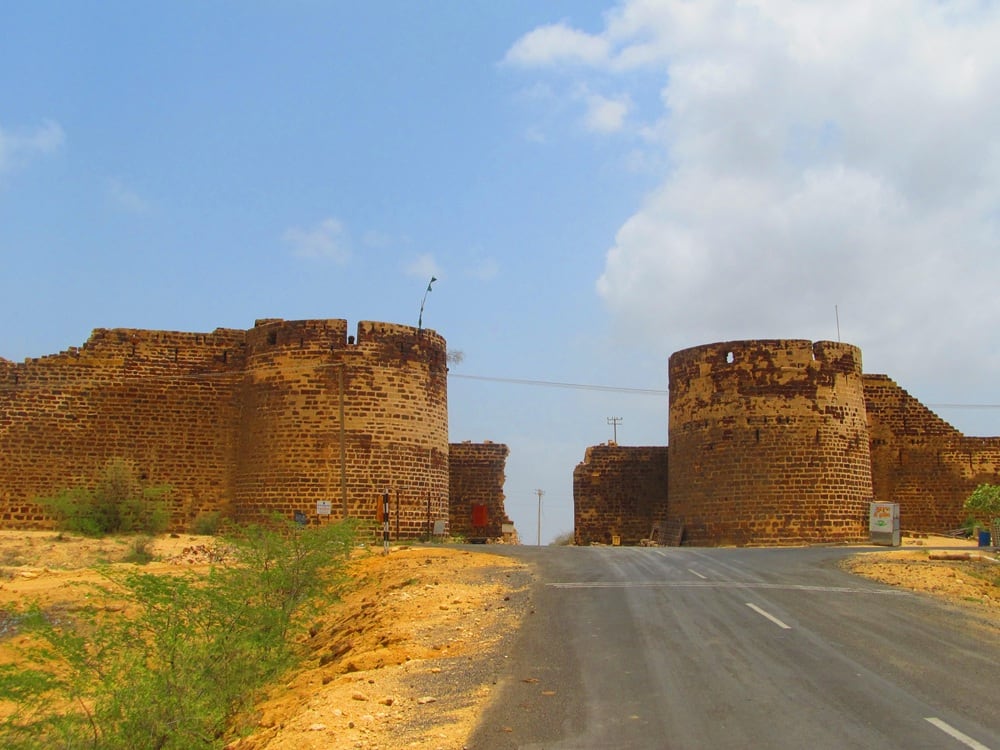
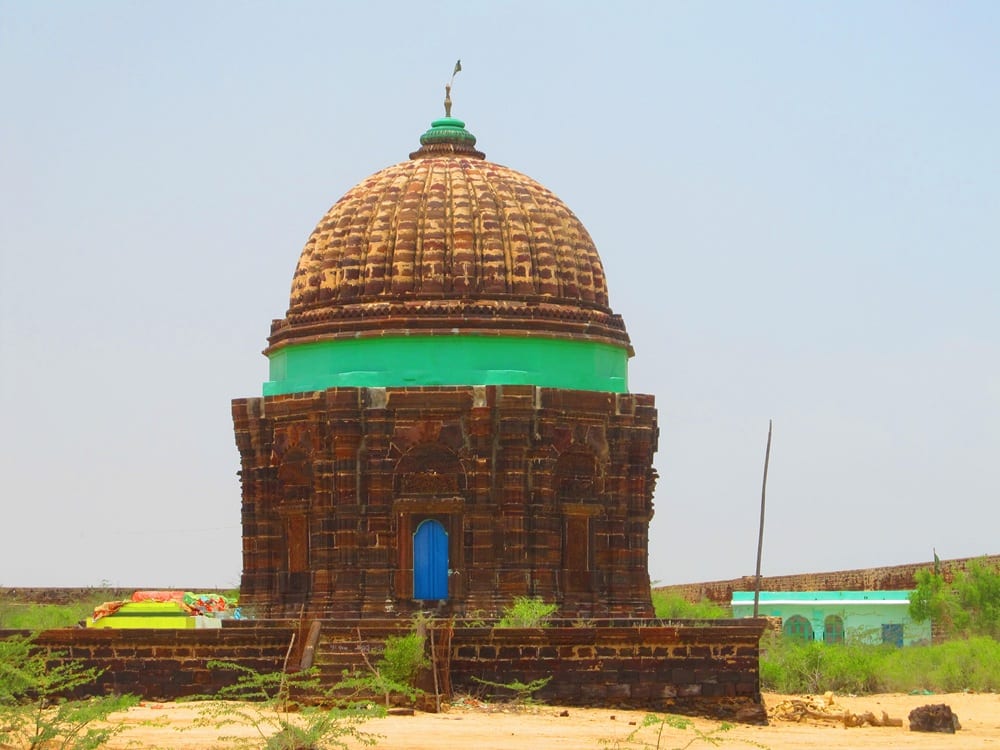
Lakhpat’s prosperity came to an end in 1819 when an earthquake raised a bank and shifted the flow of water westward. The port and town were both abandoned, but memories remain.
Koteshwar (37 km south-west of Lakhpat Fort): Located on the western tip of India’s landmass, the temple here is linked to a Ramayana legend. As the story goes, Ravana received a Shiva Linga after his rigorous penance to Lord Shiva, on the condition that he would not place it on the ground till he reached Lanka. Afraid that this would make him invincible, the gods tricked Ravana into placing it here. On trying to pick it up again, he saw ten million Lingas and carried home the wrong one. The original formed the basis of the Koteshwar Shiva Temple. The setting is balmy and close to the sea. It is said that on a clear day one can see the distant lights of Karachi from here.
Beyond these places, a visitor can enjoy the charms of Bhuj, the largest city of Kutch. But before you sign off, make sure you spend some quiet moments at the Smritivan Earthquake Memorial Museum , on the outskirts of Bhuj. Dedicated to the victims of the 2001 earthquake which devastated the region, it is a tribute to the resilient spirit of the Kutchi people who rebuilt their lives.
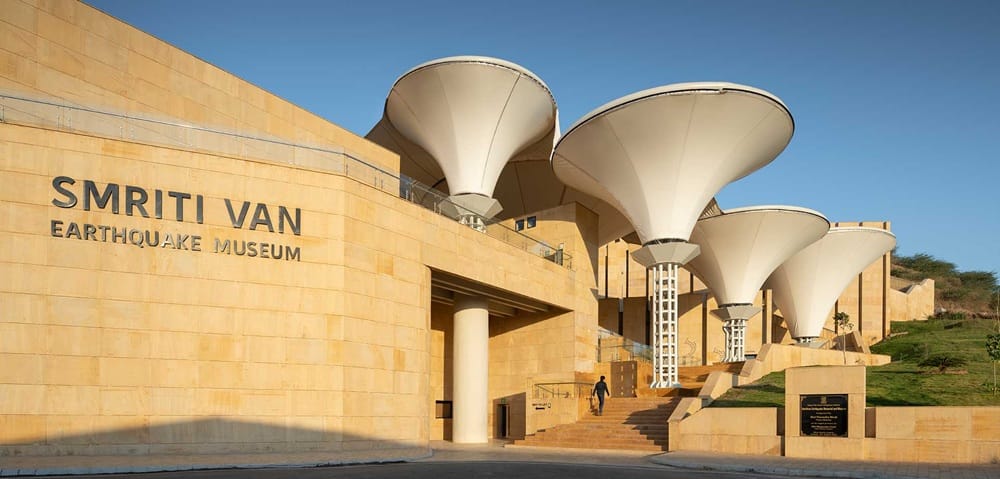
The place has a Miyawaki Forest with over three million plants. The museum is divided into seven educative blocks, each dedicated to an aspect of Kutch’s evolution, the quake impact and subsequent re-emergence. Like the Rann itself, the Smritivan is an atmospheric place that deserves a visit.
(The author is a heritage explorer with a penchant for seeking obscure sites. A brand consultant by profession, he tweets @HiddenHeritage. Views expressed in the above piece are personal and solely those of the author. They do not necessarily reflect Firstpost’s views.)
Dholavira (87 km east of Dhordo): This incredible Harappan site is the most prominent of numerous sites of that civilisation that exist in the Rann as well as one of the largest cities of that great period in our early history. With excavated remains spread over a vast area, the city is a great example of town planning and architecture.
An excavated tank at Dholavira
Importantly, in a region which has historically received sparse rainfall, Dholavira’s water management system, seen in the form of large tanks and cisterns, is perhaps worth emulating by our town planners even today. The site has revealed as many as seven stages of cultural evolution, with the earliest going back to nearly 3000 BCE. In 2021, Dholavira achieved Unesco World Heritage status, putting it firmly on the global history buff’s radar.
Mandvi (141 km south of Dhordo): Famous for its shipbuilding industry, Mandvi is an old port town that has drawn in merchants from West Asia and Africa for centuries. With a booming trade that involved precious stones, textiles and other merchandise, the wealth generated drew in artisans who contributed to the cultural landscape of Kutch.
The Vijay Vilas Palace at Mandvi
An architectural highlight is the Vijay Vilas Palace, dated to 1929. The striking, red sandstone Rajput-designed building gives glimpses of the last era of princely states of India and has also been seen in popular Bollywood flicks. Enjoy a quiet walk along the pristine beach near the palace where the wind speed feels incredible.
Nirona (72 km south of Dhordo): The village is home to a family of award-winning artists which is the sole practitioner of an ancient Persian form of art. Called ‘Rogan’, which means ‘oil-based’, this art’s process involves heating castor oil for nearly twelve hours and then casting it in cold water. The residue that results is called ‘Rogan’, and it is then mixed with stone pigments to make various colours.
The Tree of Life depicted in Rogan form by Nirona's artisans
These colours then find application on cloth via a metal stick. The Tree of Life is a popular theme, as are other floral and geometric patterns. The material thus created has become a popular gift, having been announced to the world when it was presented by Prime Minister Modi to US President Obama.
Kutch Fossil Park (18 km west of Nirona): The year 1970 saw a soldier called Mohan Sinh Sodha find a starfish fossil in Kutch. He turned an accidental find into a passion, and his collection became the base of the fossil museum here. The collection now includes fossils of dinosaurs, reptiles, plants, marine life and minerals. There is also a fossil of a species of sea cow named Domninga Sodhae, in honour of the man who began the collection.
Objects at the Kutch Fossil Park
Kotay (76 km south-east of Dhordo): The Sun Temple here gives a glimpse of the ancient temple architecture of the region. This 9th-century shrine has exquisite carvings on its exterior, depicting a range of divine figures, though there is much evidence of erosion.
The Sun Temple at Kotay
The icons within are damaged, including a barely identifiable plaque of the Sun God. Based on the fact that the temple entrance faces west – while other Sun Temples face east – there is a belief among scholars that this might have been a Shiva Temple originally.
Lakhpat (91 km west of Dhordo): The fort at Lakhpat, guarded by the Border Security Force (BSF), stands at the point where Kori Creek meets the Great Rann of Kutch. The place was once a prosperous port, and fortifications were added as recently as 1801. Among the personalities who embarked on journeys from this port was Guru Nanak himself, who camped here on his journey to and from Mecca. A gurudwara stands in memory of that event. Other spiritual figures also came here, and their tombs remain, such as the Ghaus Mohammad no Kubo.
The road into Lakhpat Fort, along the sea
A tomb inside Lakhpat Fort
Lakhpat’s prosperity came to an end in 1819 when an earthquake raised a bank and shifted the flow of water westward. The port and town were both abandoned, but memories remain.
Koteshwar (37 km south-west of Lakhpat Fort): Located on the western tip of India’s landmass, the temple here is linked to a Ramayana legend. As the story goes, Ravana received a Shiva Linga after his rigorous penance to Lord Shiva, on the condition that he would not place it on the ground till he reached Lanka. Afraid that this would make him invincible, the gods tricked Ravana into placing it here. On trying to pick it up again, he saw ten million Lingas and carried home the wrong one. The original formed the basis of the Koteshwar Shiva Temple. The setting is balmy and close to the sea. It is said that on a clear day one can see the distant lights of Karachi from here.
Beyond these places, a visitor can enjoy the charms of Bhuj, the largest city of Kutch. But before you sign off, make sure you spend some quiet moments at the Smritivan Earthquake Memorial Museum , on the outskirts of Bhuj. Dedicated to the victims of the 2001 earthquake which devastated the region, it is a tribute to the resilient spirit of the Kutchi people who rebuilt their lives.
Smritivan Earthquake Memorial Museum
The place has a Miyawaki Forest with over three million plants. The museum is divided into seven educative blocks, each dedicated to an aspect of Kutch’s evolution, the quake impact and subsequent re-emergence. Like the Rann itself, the Smritivan is an atmospheric place that deserves a visit.
(The author is a heritage explorer with a penchant for seeking obscure sites. A brand consultant by profession, he tweets @HiddenHeritage. Views expressed in the above piece are personal and solely those of the author. They do not necessarily reflect Firstpost’s views.)