






What is the story about?
Early on Sunday morning, residents of Israel’s Dimona woke up to see the streets littered with shards of glass and charred debris after missiles from Iran struck the neighbourhood in southern Israel. The health ministry noted that 180 people were injured in the missile strikes on Dimona, which is also home to the country’s main nuclear facility, as well as nearby Arad.
Iran, responding to the strikes, said it was retaliation for a joint US-Israeli strike on its Natanz nuclear enrichment facility. However, the Jewish nation has denied it was behind the strikes.
Incidentally, Dimona, which was struck by Iran, is also known as ‘Little India’. Here’s why.
On Saturday evening, Iran launched missiles toward Dimona, calling it a “response” to an attack on Iran’s Natanz nuclear enrichment complex earlier in the day, marking a stark new phase of tit-for-tat targeting in the conflict, now in its fourth week.
Dimona and Arad are the closest cities to Israel’s main nuclear research installation and reactor, one of the most guarded sites in Israel. Neither had been directly hit before, including in more than two years of wars in Gaza, Lebanon, and Iran, according to local officials.
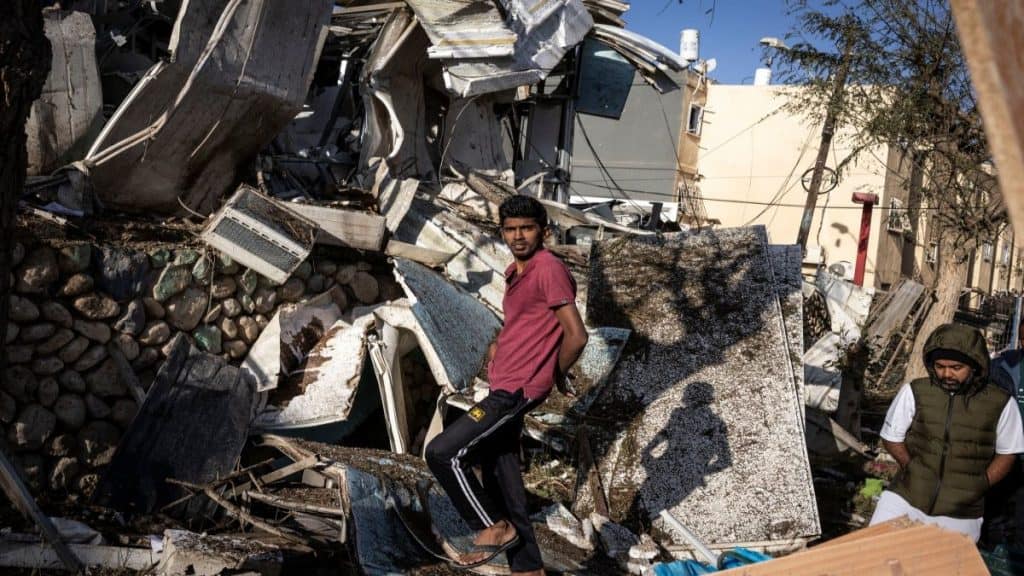
Yitzhak Salem and his wife recount the moment they heard the blast — they were hiding inside a safe room in their house when the blast occurred, filling the home with dust and smoke. “It felt like a hurricane mixed with an earthquake,” he was quoted as telling the
New York Times.
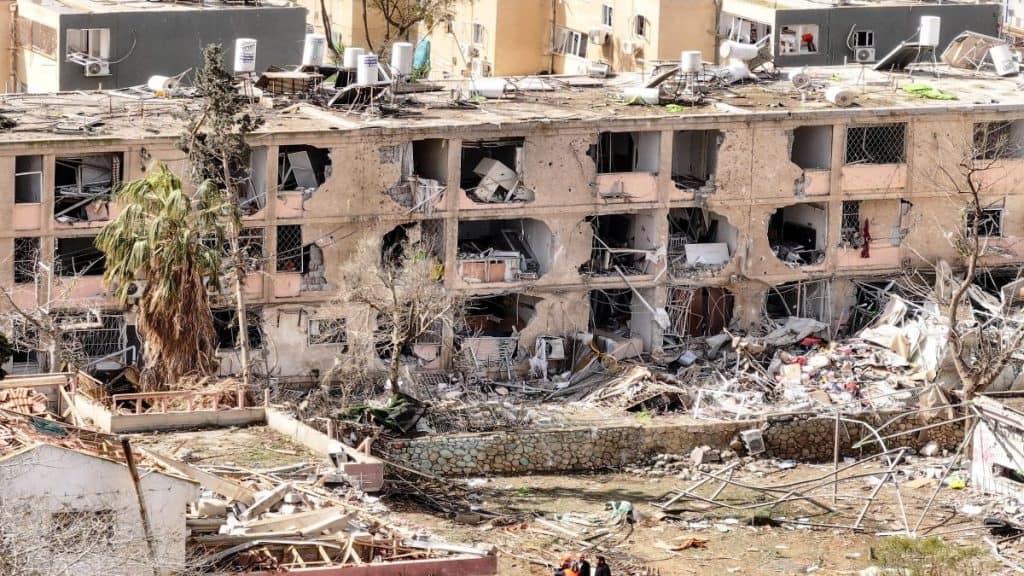
However, not everyone was as fortunate. Iran’s missile strike killed at least 180 people, including 116 in Arad. Health officials noted that many of the injured had sustained shrapnel wounds after several residential buildings had been destroyed.
Israel’s Benjamin Netanyahu called it a “difficult evening” for the area, but added that the country would continue its attack against Iran, which began on February 28.
An Israeli military spokesman said air defence systems were activated during the attacks, but failed to intercept some of the missiles, even though they were not “special or unfamiliar”. “In both Dimona and Arad, interceptors were launched that failed to hit the threats, resulting in two direct hits by ballistic missiles with warheads weighing hundreds of kilogrammes,” firefighters said.
Tomer Sagev, a medic, was quoted as telling Deutsche Welle, “Nobody knew how to deal with the situation. When we reached the spot, we got people out of their homes — the elderly, children, and adults.”
While Dimona is believed to be where Israel is developing its undeclared nuclear weapons, it is also known as ‘Little India’. It got the name because of the 7,500-strong Indian-Jewish community making up for some 30 per cent of the town’s population. In fact, one can hear Marathi and a smattering of Hindi. Moreover, local shops offer familiar foods such as ‘sonpapdi’, ‘gulab jamun’, ‘papri chaat’, ‘jalebis’, and ‘bhelpuri’.
This occurred when many Indian Jews moved to Israel in the 1950s and 1960s. Most came from Maharashtra, while smaller groups came from Kerala and Kolkata. In recent years, some people from Mizoram and Manipur have also moved to Dimona.
Interestingly, in the early 1950s, the Jewish Agency opened an office in Bombay’s Fort area and began to actively encourage Jews to migrate to Israel. And by 1956, around 2,000 Jews from western India migrated to Israel, namely to Dimona, making this southern city their home.
Today, these Indian Jews in Dimona are mostly employed as diamond traders, IT professionals, and caregivers for the elderly.
They also keep their cultural roots alive through language, festivals, and other traditions. In Dimona, there’s a sizable following for the sport of cricket. Moreover, festivals such as Diwali and Onam remain central to daily life.
Film screenings over a month were attended by packed theatres at the Indian Film Fest in November 2025, while months ago, the first-ever Indian music festival was sold out.
Many believe that Iran’s targeting of Dimona on Saturday is because it houses the Shimon Peres Negev Nuclear Research Center, which is considered the most important pillar of Israel’s nuclear programme.
Thirteen kilometres away from the main city of Dimona, it consists of 10 buildings spread across roughly 36 square kilometres, ringed by electrified fencing, patrol roads, and anti-aircraft missile batteries. It also includes eight underground laboratories dating back decades, with around 2,700 scientists and technicians believed to be working there.
A 2013 report from the International Panel on Fissile Materials noted that it is generally accepted that the Dimona facility produced plutonium for the alleged nuclear arsenal. According to the report, the plutonium is likely generated by irradiating natural uranium fuel in a heavy-water moderated reactor.
A New York Times report in 2025 claimed that extensive construction was underway at the site, with experts suggesting possible repairs and upgrades.
Interestingly, a 2025 report from the Stockholm International Peace Research Institute also notes that Israel has a stockpile of around 90 nuclear warheads. According to the institute’s annual report, roughly 30 are air-deliverable gravity bombs compatible with F-15 and F-16 aircraft, alongside around 50 long-range Jericho-2 ballistic missiles. The report also said Israel has stored fissile material sufficient to produce up to 200 nuclear warheads.
But Israel has always maintained a denial of having nuclear weapons; in 2011, Prime Minister Benjamin Netanyahu told UK television host Piers Morgan, “We have a long-standing policy that we won't be the first to introduce nuclear weapons into the Middle East, and that hasn't changed.”
With inputs from agencies
Iran, responding to the strikes, said it was retaliation for a joint US-Israeli strike on its Natanz nuclear enrichment facility. However, the Jewish nation has denied it was behind the strikes.
- Catch live updates from the Israel-Iran war here
Incidentally, Dimona, which was struck by Iran, is also known as ‘Little India’. Here’s why.
Iran strikes Dimona
On Saturday evening, Iran launched missiles toward Dimona, calling it a “response” to an attack on Iran’s Natanz nuclear enrichment complex earlier in the day, marking a stark new phase of tit-for-tat targeting in the conflict, now in its fourth week.
Dimona and Arad are the closest cities to Israel’s main nuclear research installation and reactor, one of the most guarded sites in Israel. Neither had been directly hit before, including in more than two years of wars in Gaza, Lebanon, and Iran, according to local officials.
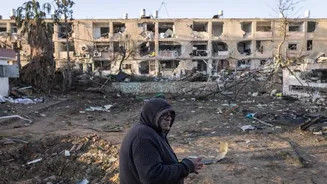
People inspect the site of an Iranian missile strike in Dimona. Iranian missile strikes on two southern Israeli towns wounded more than 100 people, medics said, after Israeli air defence systems failed to intercept the projectiles. AFP
Yitzhak Salem and his wife recount the moment they heard the blast — they were hiding inside a safe room in their house when the blast occurred, filling the home with dust and smoke. “It felt like a hurricane mixed with an earthquake,” he was quoted as telling the
However, not everyone was as fortunate. Iran’s missile strike killed at least 180 people, including 116 in Arad. Health officials noted that many of the injured had sustained shrapnel wounds after several residential buildings had been destroyed.
Israel’s Benjamin Netanyahu called it a “difficult evening” for the area, but added that the country would continue its attack against Iran, which began on February 28.
An Israeli military spokesman said air defence systems were activated during the attacks, but failed to intercept some of the missiles, even though they were not “special or unfamiliar”. “In both Dimona and Arad, interceptors were launched that failed to hit the threats, resulting in two direct hits by ballistic missiles with warheads weighing hundreds of kilogrammes,” firefighters said.
Tomer Sagev, a medic, was quoted as telling Deutsche Welle, “Nobody knew how to deal with the situation. When we reached the spot, we got people out of their homes — the elderly, children, and adults.”
A drone view shows a damage in a residential neighbourhood, following a night of Iranian missile strikes which injured dozens of Israelis, amid the US-Israel conflict with Iran, in Dimona, southern Israel. Reuters
Dimona and its India connection
While Dimona is believed to be where Israel is developing its undeclared nuclear weapons, it is also known as ‘Little India’. It got the name because of the 7,500-strong Indian-Jewish community making up for some 30 per cent of the town’s population. In fact, one can hear Marathi and a smattering of Hindi. Moreover, local shops offer familiar foods such as ‘sonpapdi’, ‘gulab jamun’, ‘papri chaat’, ‘jalebis’, and ‘bhelpuri’.
This occurred when many Indian Jews moved to Israel in the 1950s and 1960s. Most came from Maharashtra, while smaller groups came from Kerala and Kolkata. In recent years, some people from Mizoram and Manipur have also moved to Dimona.
Interestingly, in the early 1950s, the Jewish Agency opened an office in Bombay’s Fort area and began to actively encourage Jews to migrate to Israel. And by 1956, around 2,000 Jews from western India migrated to Israel, namely to Dimona, making this southern city their home.
Today, these Indian Jews in Dimona are mostly employed as diamond traders, IT professionals, and caregivers for the elderly.
They also keep their cultural roots alive through language, festivals, and other traditions. In Dimona, there’s a sizable following for the sport of cricket. Moreover, festivals such as Diwali and Onam remain central to daily life.
Film screenings over a month were attended by packed theatres at the Indian Film Fest in November 2025, while months ago, the first-ever Indian music festival was sold out.
Dimona’s — Israel’s secret nuclear plant
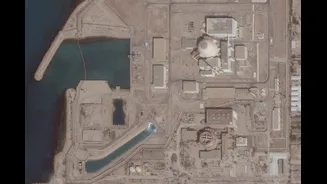
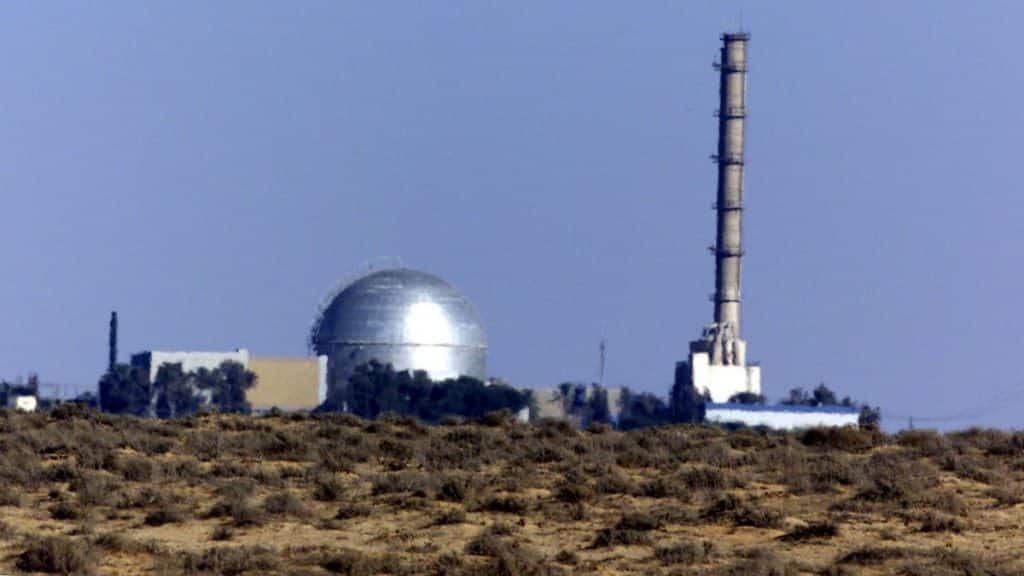
Many believe that Iran’s targeting of Dimona on Saturday is because it houses the Shimon Peres Negev Nuclear Research Center, which is considered the most important pillar of Israel’s nuclear programme.
Thirteen kilometres away from the main city of Dimona, it consists of 10 buildings spread across roughly 36 square kilometres, ringed by electrified fencing, patrol roads, and anti-aircraft missile batteries. It also includes eight underground laboratories dating back decades, with around 2,700 scientists and technicians believed to be working there.
A 2013 report from the International Panel on Fissile Materials noted that it is generally accepted that the Dimona facility produced plutonium for the alleged nuclear arsenal. According to the report, the plutonium is likely generated by irradiating natural uranium fuel in a heavy-water moderated reactor.
A view of the Israeli nuclear facility in the Negev Dest outside Dimona. File image/Reuters
A New York Times report in 2025 claimed that extensive construction was underway at the site, with experts suggesting possible repairs and upgrades.
Interestingly, a 2025 report from the Stockholm International Peace Research Institute also notes that Israel has a stockpile of around 90 nuclear warheads. According to the institute’s annual report, roughly 30 are air-deliverable gravity bombs compatible with F-15 and F-16 aircraft, alongside around 50 long-range Jericho-2 ballistic missiles. The report also said Israel has stored fissile material sufficient to produce up to 200 nuclear warheads.
But Israel has always maintained a denial of having nuclear weapons; in 2011, Prime Minister Benjamin Netanyahu told UK television host Piers Morgan, “We have a long-standing policy that we won't be the first to introduce nuclear weapons into the Middle East, and that hasn't changed.”
With inputs from agencies